
The Catalog · Tankless Water Heaters
Tankless Water Heaters.
Endless Hot. Zero Standby.
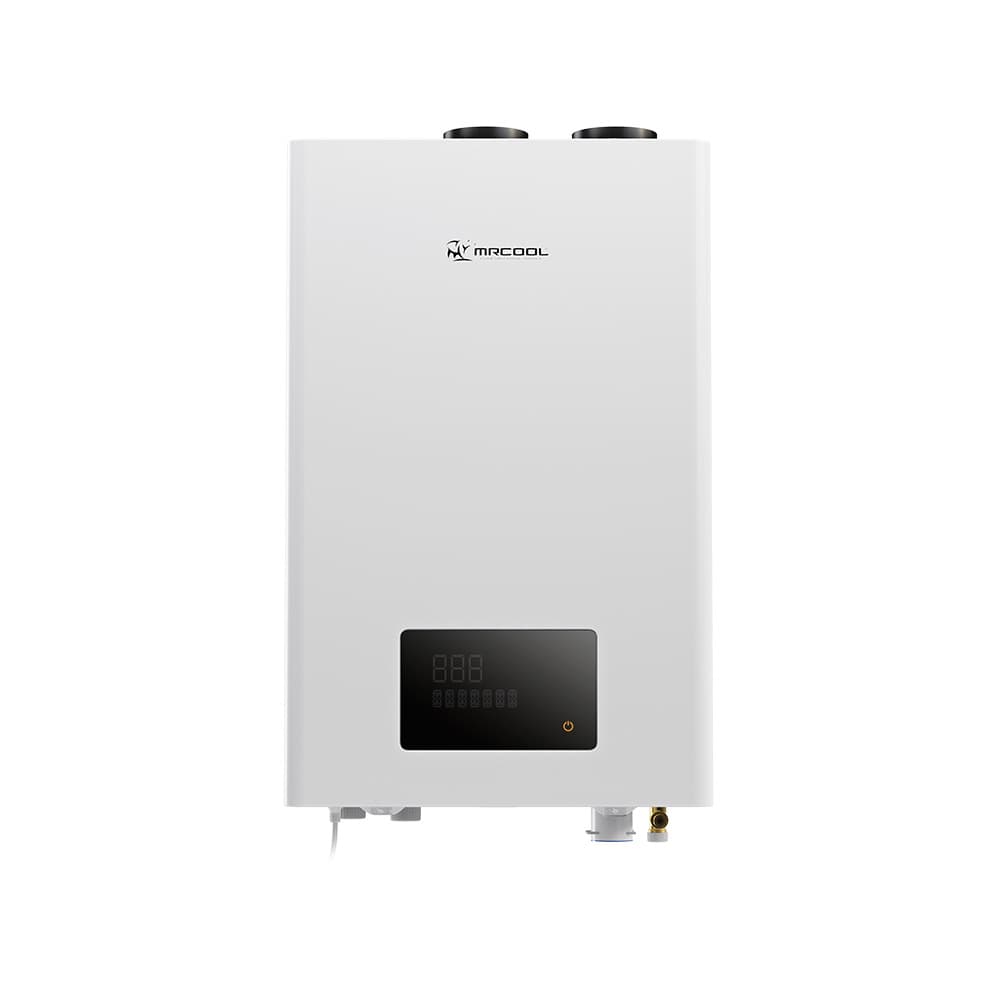
A tankless water heater heats water on demand — only when you turn the tap. No 50-gallon tank sitting in your basement losing heat 24/7. No running out of hot water during back-to-back showers. Tankless units last 20-25 years (vs 10-15 for tank models) and cut water heating costs by 20-30% in homes with low-to-moderate hot water demand. Below are our in-stock tankless water heaters.
In Stock · Ships to All 50 States
In-Stock Tankless Water Heaters
Buying Guide
How to size and choose a tankless water heater
Tankless sizing is by flow rate (gallons per minute), not volume. Get the GPM right and you have unlimited hot water; get it wrong and your shower runs cold mid-cycle.
Calculate your peak GPM demand
Add up flow rates of fixtures that might run simultaneously. Standard shower: 2.0-2.5 GPM. Kitchen sink: 1.5 GPM. Bathroom sink: 1.0 GPM. Dishwasher: 1.5 GPM. Washing machine: 2.0 GPM. A typical 2-bath home running a shower + a kitchen sink + a dishwasher needs ~5 GPM. Whole-house demand for a 4-bath home runs 7-9 GPM.
Account for temperature rise
Tankless capacity ratings assume a specific temperature rise (typically 35-77°F). Cold incoming water (winter, 40°F) requires more BTU to reach 120°F than warm water (summer, 70°F). Northern US homes need higher GPM units to maintain capacity in winter. Check the rated GPM at YOUR design temperature, not the headline number.
Electric vs gas tankless
Electric tankless units (most of what we carry) require a 240V circuit, often 80-150 amps for whole-house models. They're simpler to install (no gas line or venting) but draw heavy current. Gas tankless units have higher GPM capacity per unit and lower operating cost in homes with cheap natural gas, but require dedicated gas line sizing and exhaust venting.
Point of use vs whole house
Point-of-use tankless units (under-sink, 0.5-2 GPM) supply a single fixture — great for remote bathrooms or kitchen sinks far from the main heater. Whole-house tankless (4-9 GPM) replaces your main water heater. Some homes use a combination — a whole-house unit for showers, plus a point-of-use under a distant sink to eliminate the wait for hot water.
Federal & state rebates
Gas tankless water heaters with UEF ≥ 0.95 qualify for the federal 25C tax credit ($600). Electric tankless models don't qualify for 25C (only heat pump water heaters do). Many gas utilities offer $200-$500 rebates for high-efficiency tankless installs.
At a Glance
Tankless vs tank vs heat pump water heater
Swipe the table sideways to compare
| Tankless | Electric Tank | Heat Pump | |
|---|---|---|---|
| Endless hot water | Yes (within GPM) | No (50 gal limit) | No (50-80 gal limit) |
| Standby heat loss | None | 5-10% of energy | 2-5% of energy |
| Lifespan | 20-25 years | 10-15 years | 10-15 years |
| Equipment cost | $800-$2,000 | $300-$700 | $1,500-$2,500 |
| Energy use vs electric tank | -20-30% | Baseline | -60-70% |
| Installation complexity | Higher (240V or gas+vent) | Lowest | Moderate |
| Federal tax credit | $600 (gas only) | None | Up to $2,000 |
Browse related categories
Frequently Asked
Common questions
Will a tankless water heater really give me endless hot water?+
Yes — within its GPM rating. As long as your simultaneous hot water demand stays under the unit's rated flow rate (e.g., 6 GPM), the tankless unit produces hot water continuously. Run a shower + dishwasher + washer that exceed the GPM rating and water temperature drops.
How much does a tankless water heater save?+
Typical savings are $80-$200/year for a household replacing an electric tank water heater. Savings come from eliminating standby losses (the tank reheating water 24/7) and from longer equipment lifespan (no replacement at 12-15 years).
Do tankless water heaters need special electrical or gas service?+
Yes. Whole-house electric tankless requires a dedicated 240V circuit (often 80-150 amps total — sometimes a panel upgrade). Gas tankless requires a properly sized gas line (often 3/4" or larger) and high-temperature exhaust venting. Both add to install cost vs replacing a tank water heater.
Are tankless water heaters loud?+
Modern tankless units run at 40-55 dB during operation — about as loud as a refrigerator. Gas tankless units have a brief startup whoosh when ignition fires; electric tankless are nearly silent.
How long do tankless water heaters last?+
20-25 years with annual descaling (especially in hard-water areas). The heat exchanger is the part most likely to fail — replacing it is cheaper than replacing the whole unit. Tank water heaters last 10-15 years before tank corrosion forces full replacement.