
Heating with a Mini Split in Winter: Yes, It Works
Mini splits aren't just for cooling. Modern heat pump mini splits heat efficiently even in sub-zero temperatures. Here's how they work in winter.
Admin User
Author
Heating with a Mini Split in Winter: Yes, It Works
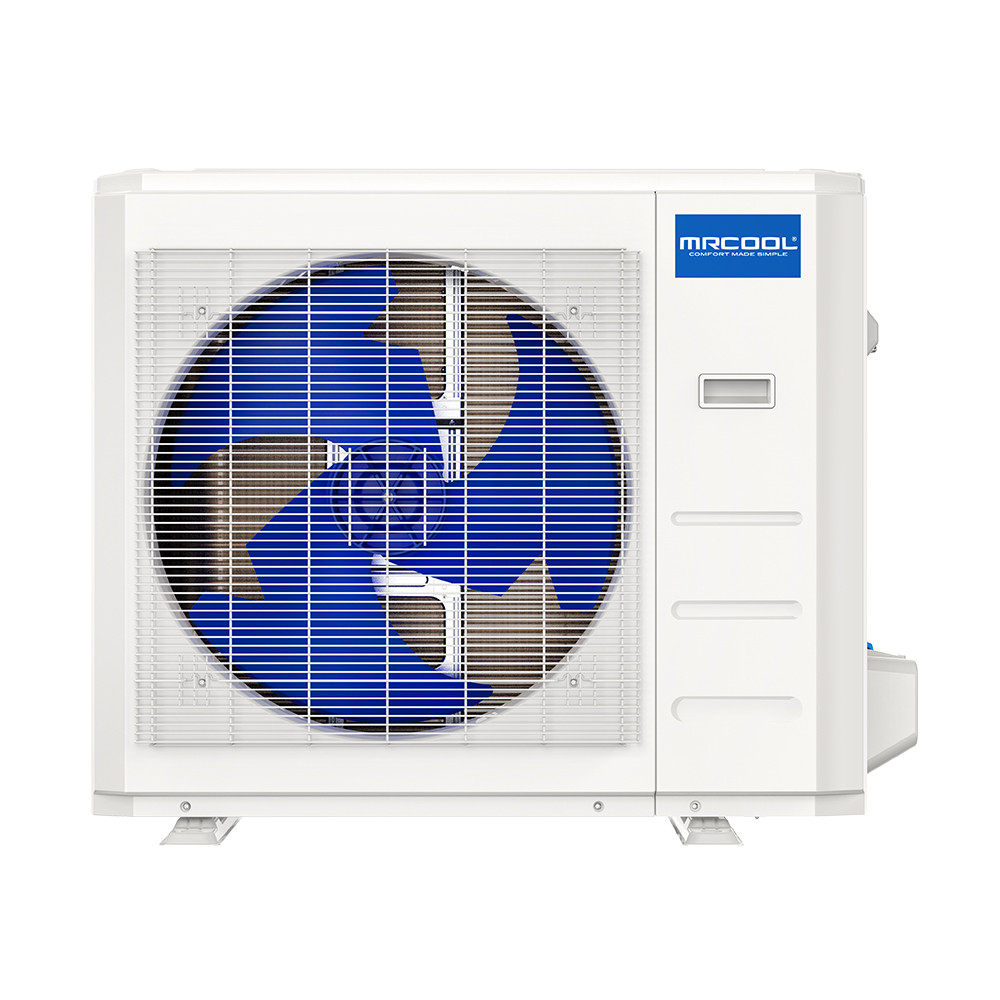
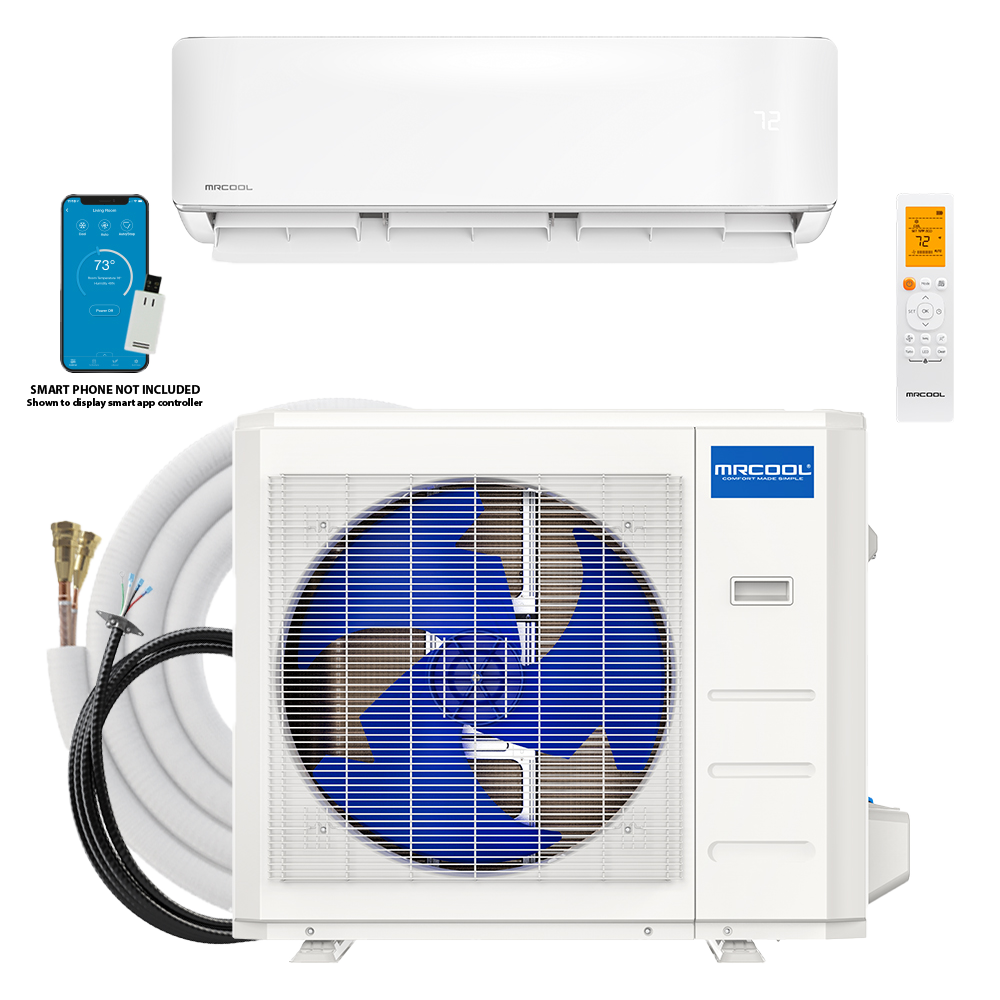
The most common question we hear from homeowners considering a mini split: "But does it actually heat in winter?" The answer is an emphatic yes. Modern heat pump mini splits — including MrCool's 5th Generation DIY line — provide efficient, comfortable heating even when temperatures drop well below freezing.
Let's separate fact from fiction and explain exactly how winter heating with a mini split works.
How Heat Pump Heating Works
A heat pump doesn't generate heat by burning fuel or passing electricity through a resistance coil. Instead, it extracts heat from the outdoor air and moves it inside. Even when it's cold outside, the air contains heat energy — and a heat pump's refrigeration cycle can extract it.
The Basic Process
- Liquid refrigerant in the outdoor coil absorbs heat from the outside air, evaporating into a gas
- The compressor pressurizes this gas, raising its temperature dramatically
- Hot refrigerant gas flows to the indoor coil, where it releases heat into your home
- The refrigerant returns to liquid form and cycles back to the outdoor unit
This is the same process that powers your refrigerator — just running in reverse. Your refrigerator extracts heat from inside the box and dumps it into your kitchen. A heat pump extracts heat from outside and dumps it into your living room.
The Physics: There's Always Heat to Extract
"But how can you extract heat from cold air?" It seems counterintuitive, but air contains thermal energy at any temperature above absolute zero (-459.67°F). At 20°F, outdoor air still contains about 85% of the thermal energy present at 70°F. At 0°F, it contains about 80%.
Modern heat pump compressors are designed to efficiently extract this energy even at very low temperatures.
Performance at Different Temperatures
How Efficiency Changes with Temperature
Heat pump efficiency is measured by COP (Coefficient of Performance) — the ratio of heat output to electricity input.
| Outdoor Temperature | Typical COP | Meaning |
|---|---|---|
| 50°F | 4.0 | 400% efficient — 4 units of heat per 1 unit of electricity |
| 40°F | 3.5 | 350% efficient |
| 30°F | 3.0 | 300% efficient |
| 20°F | 2.5 | 250% efficient |
| 10°F | 2.0 | 200% efficient |
| 0°F | 1.5-1.8 | 150-180% efficient |
| -10°F | 1.2-1.5 | 120-150% efficient |
Even at 0°F, a heat pump delivers 50-80% more heat per dollar than electric resistance heating (which is only 100% efficient by definition). And it's competitive with or better than gas furnaces in many scenarios.
MrCool 5th Gen Cold Climate Performance
MrCool's 5th Generation systems are designed with cold climate performance in mind:
- Operating range: Down to -22°F (-30°C) for heating
- Hyper Heat technology: Enhanced compressor design maintains capacity at low temperatures
- Base pan heater: Prevents ice buildup on the outdoor unit's base pan
- Intelligent defrost: Automatically manages frost buildup on the outdoor coils
The 24K BTU system and 36K BTU system are particularly well-suited for cold climate heating, as their larger compressors maintain more capacity as temperatures drop.
Defrost Mode: What to Expect
When operating in heating mode during cold, humid conditions, frost will accumulate on the outdoor unit's evaporator coil. This is completely normal. The system automatically enters defrost mode to clear this frost:
What Happens During Defrost
- The system briefly reverses the refrigerant flow (switches to cooling mode for 2-10 minutes)
- Hot refrigerant melts the frost on the outdoor coil
- You may see steam rising from the outdoor unit — this is normal
- The indoor unit's fan may stop or slow down during defrost to prevent blowing cool air
- Once defrost is complete, the system resumes normal heating
Frequency: Every 30-90 minutes during cold, humid conditions. Less frequent in dry cold.
Impact: Defrost cycles temporarily reduce heating output, which is why the system's rated HSPF2 (Heating Seasonal Performance Factor) already accounts for this — the efficiency numbers above include defrost penalties.
Real Homeowner Heating Costs
Let's compare heating costs for a 1,200 sq ft home in different climates:
Moderate Winter (Avg 35°F — Nashville, Charlotte, Portland)
| Heating System | Monthly Cost | Annual Cost |
|---|---|---|
| Electric baseboard | $280 | $1,400 |
| Gas furnace (80% AFUE) | $140 | $700 |
| Gas furnace (96% AFUE) | $115 | $575 |
| MrCool Heat Pump | $90 | $450 |
Heat pump saves: 36-68% compared to alternatives.
Cold Winter (Avg 20°F — Chicago, Boston, Minneapolis)
| Heating System | Monthly Cost | Annual Cost |
|---|---|---|
| Electric baseboard | $420 | $2,520 |
| Gas furnace (80% AFUE) | $210 | $1,260 |
| Gas furnace (96% AFUE) | $175 | $1,050 |
| MrCool Heat Pump | $155 | $930 |
Heat pump saves: 11-63% depending on what you're replacing. Still competitive with high-efficiency gas, and dramatically cheaper than electric resistance.
Very Cold Winter (Avg 5°F — Duluth, Fargo, Anchorage)
| Heating System | Monthly Cost | Annual Cost |
|---|---|---|
| Electric baseboard | $560 | $3,920 |
| Gas furnace (80% AFUE) | $280 | $1,960 |
| Gas furnace (96% AFUE) | $235 | $1,645 |
| MrCool Heat Pump | $225 | $1,575 |
| Heat pump + backup for <-10°F | $240 | $1,680 |
In extreme cold, heat pumps are roughly equal to high-efficiency gas. But they still crush electric resistance heating and provide the bonus of summer cooling with the same equipment.
The Supplemental Heat Strategy
For homeowners in very cold climates (USDA zones 3-5), a common strategy is to use the heat pump as the primary heat source down to about 10-15°F and have a backup heat source for the coldest days:
Good Backup Options
- Existing gas furnace: Set the furnace to kick in at 10-15°F while the heat pump handles everything above that. The heat pump covers 80-90% of heating hours.
- Electric baseboard in key rooms: Inexpensive to install as backup for the 5-10 coldest days per year.
- Wood stove or pellet stove: Popular in rural areas — handles the deepest cold while the heat pump covers shoulder seasons.
- Propane space heater: Emergency backup for rare extreme cold events.
Why This Strategy Works
In most cold climate cities, temperatures are below 0°F for only 100-200 hours per year (roughly 1-2% of total hours). Using a backup system for those extreme hours while the heat pump handles the other 98% delivers the best balance of comfort, efficiency, and cost.
Installation Tips for Winter Heating
Outdoor Unit Placement
- Elevate the unit 4-6 inches above expected snow depth on a wall bracket or raised pad
- Avoid north-facing walls if possible — south or east-facing gets some solar warming
- Maintain clearance — Keep snow and ice buildup away from the unit (24+ inches of clearance)
- Don't cover the unit — It needs airflow year-round when in use. A snow shelf overhead is fine.
Indoor Unit Placement
- For heating priority, mount the unit on an interior wall when possible — the warm air cascades down from the ceiling-height unit and circulates through the room
- Avoid placing above doors — The air stream gets disrupted by door opening/closing
- Use the unit's vertical swing function to direct warm air downward in winter
Supplemental Ceiling Fan
A ceiling fan on low, running in reverse (clockwise) direction in winter pushes warm air that collects at the ceiling back down to living level. This can improve perceived comfort by 2-4°F without any additional energy cost.
Frequently Asked Questions
Will my mini split ice up in winter?
The outdoor unit will develop frost during heating operation — this is normal. The automatic defrost cycle handles it. If you see heavy ice buildup that doesn't clear, check for obstructions blocking airflow around the unit.
Can I use my mini split as my only heat source?
In moderate climates (zones 6-8), absolutely. In cold climates (zones 3-5), a mini split can be your primary heat source with a backup system for extreme cold days. In very cold climates (zones 1-2), a heat pump should be supplemental to a primary furnace system.
Does the indoor unit blow cold air in heating mode?
No. When properly operating, the indoor unit delivers air at 80-110°F in heating mode. If you feel lukewarm or cool air, the system may be in defrost mode (temporary) or there could be a refrigerant issue (call for service).
How do I switch between heating and cooling?
Press the mode button on your remote control or tap the mode icon in the MrCool WiFi app. The system switches automatically — there's no seasonal changeover required.
What about humidity in winter?
Heat pumps don't dry out indoor air as much as forced-air furnaces because they don't pull in large volumes of dry outdoor air. Many homeowners find their winter indoor humidity levels are more comfortable with a heat pump.
Year-Round Comfort, One System
A MrCool 5th Gen DIY mini split replaces both your air conditioner and your heater with a single, ultra-efficient system. No more maintaining separate heating and cooling equipment. No more sky-high winter electric bills from baseboard heaters.
Recommended Systems for Heating
- Single room, moderate climate: 12K BTU
- Single room, cold climate: 18K BTU (extra capacity for cold performance)
- Main living area: 24K BTU
- Whole-home primary heat: 36K BTU
Use promo code SUMMER100 for $100 off at HVACZAR. Yes, the code works for heating systems too.
Share this article
Cut your energy bill for good
High-SEER2 inverter systems use a fraction of the power of what they replace — and may qualify for a 30% federal credit.
More on this topic: Cost & Savings
Keep Reading
Related Articles
MrCool Mini Split vs Window AC: Why Ductless Wins
Comparing MrCool DIY mini splits to window air conditioners on efficiency, noise, installation, and long-term value. See why ductless is the smarter investment.
How Much Does a Mini Split Cost? 2026 Pricing Guide
Complete 2026 mini split pricing guide covering equipment, installation, and operating costs. Learn what to budget for a MrCool DIY or professionally installed system.
Alaska: Hyper Heat for Extreme Cold
Alaska's extreme cold tests the limits of any heating system. Learn how modern cold-climate heat pumps perform in Anchorage, Fairbanks, and Juneau — and when you need backup.