
Alaska: Hyper Heat for Extreme Cold
Alaska's extreme cold tests the limits of any heating system. Learn how modern cold-climate heat pumps perform in Anchorage, Fairbanks, and Juneau — and when you need backup.
Admin User
Author
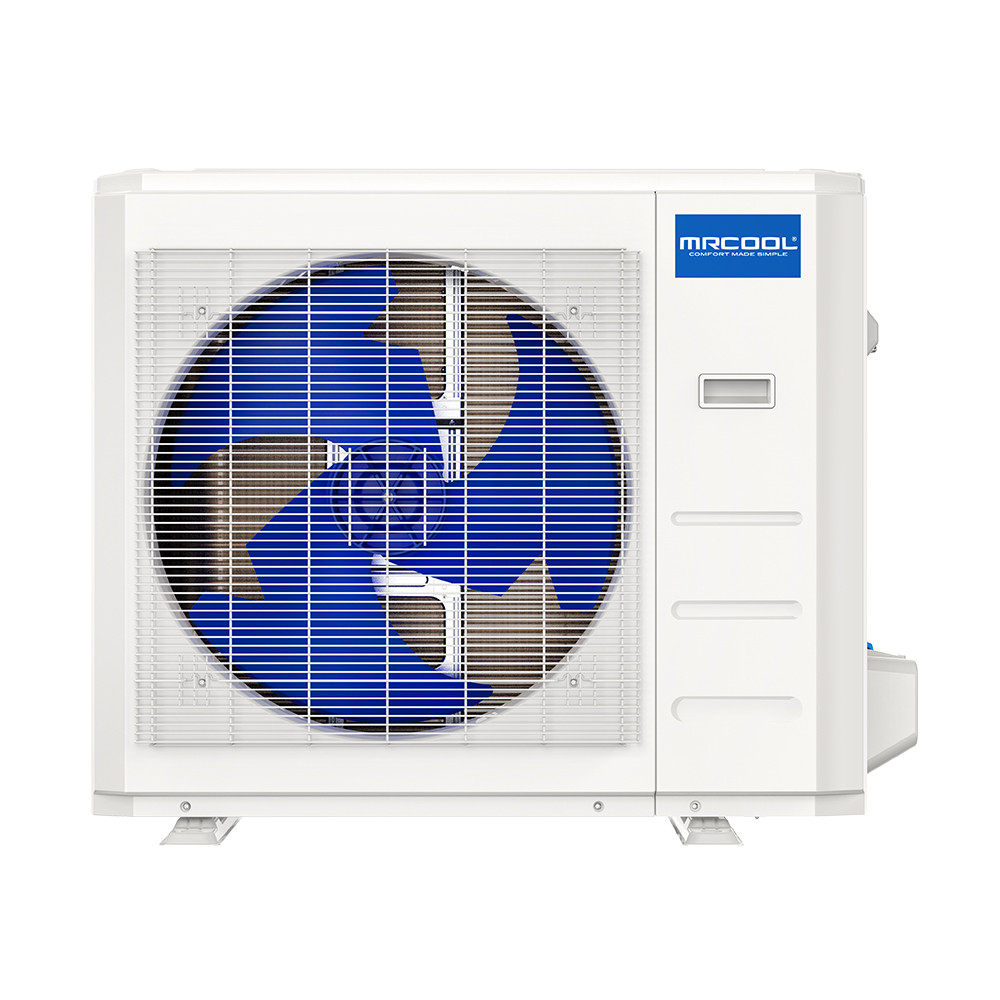
Alaska: Hyper Heat for Extreme Cold
Alaska is the ultimate test for any heating system. When Fairbanks drops to -40°F and Anchorage sees weeks of -10°F to -20°F, your HVAC system needs to be built for conditions that would shut down most residential equipment.
Modern cold-climate heat pumps, including MrCool's 5th Gen DIY line rated to -22°F, are making inroads in Alaska — not as standalone heating solutions for the most extreme locations, but as highly efficient primary heat sources that dramatically reduce dependence on expensive oil and propane for the majority of heating hours.
Alaska Climate Zones
Alaska's climate varies enormously by region:
Southcentral Alaska (Anchorage, Kenai Peninsula, Mat-Su Valley)
| Metric | Value |
|---|---|
| Avg January high | 22°F |
| Avg January low | 9°F |
| Design temperature | -18°F |
| Days below 0°F | 30-50 |
| Days below -20°F | 5-15 |
| Heating degree days | 10,570 |
| Cooling needs | Minimal (a few weeks per year) |
Heat pump viability: HIGH. Anchorage's climate is comparable to Minneapolis or Fargo. Temperatures are above 0°F for 85-90% of heating hours, where heat pumps operate at good efficiency.
Interior Alaska (Fairbanks, North Pole, Delta Junction)
| Metric | Value |
|---|---|
| Avg January high | 1°F |
| Avg January low | -17°F |
| Design temperature | -47°F |
| Days below 0°F | 100-130 |
| Days below -40°F | 10-20 |
| Heating degree days | 14,000+ |
Heat pump viability: MODERATE. Fairbanks pushes beyond the -22°F operating limit for significant periods. A heat pump works as a supplemental system that reduces fuel consumption during the milder portions of winter (above -10°F), but cannot be the sole heat source.
Southeast Alaska (Juneau, Ketchikan, Sitka)
| Metric | Value |
|---|---|
| Avg January high | 32°F |
| Avg January low | 22°F |
| Design temperature | -3°F |
| Days below 0°F | 5-15 |
| Heating degree days | 8,500 |
| Rainfall | 60-160 inches/year |
Heat pump viability: EXCELLENT. Juneau's maritime climate is milder than many Lower 48 northern cities. Temperatures rarely drop below 0°F. The main challenge is rain and moisture management, not extreme cold.
How Heat Pumps Fit Alaska's Heating Picture
Alaska's Heating Fuel Crisis
Alaska faces some of the highest heating costs in the nation:
| Fuel | Cost in Alaska | Annual Heating Cost (1,500 sq ft, Anchorage) |
|---|---|---|
| Heating oil | $4.50-$6.00/gallon | $3,500-$5,000 |
| Propane | $4.00-$5.50/gallon | $4,000-$6,000 |
| Natural gas (where available) | $1.50-$2.00/therm | $1,500-$2,200 |
| Electric baseboard | $0.22-$0.28/kWh | $3,000-$4,500 |
| Heat pump | $0.22-$0.28/kWh | $1,200-$2,000 |
The savings opportunity is enormous. A heat pump operating at COP 2.0-3.5 for 85% of heating hours, supplemented by oil for the coldest 15%, can cut total heating costs by 40-60% compared to oil-only heating.
The Hybrid Approach: Heat Pump + Oil/Propane
The recommended approach for most of Alaska:
- Install a MrCool heat pump as the primary heating source
- Keep the existing oil or propane furnace as backup
- Set the furnace to activate at -10°F to -15°F (adjustable based on your comfort and budget preferences)
- The heat pump handles 80-90% of heating hours at high efficiency
- The furnace handles 10-20% of extreme cold hours
- Total heating cost drops 40-60%
Anchorage Example: Annual Savings
| Heating Method | Annual Cost |
|---|---|
| Oil furnace (only) | $4,200 |
| Heat pump + oil backup (15% oil) | $1,800 |
| Annual savings | $2,400 |
With savings of $2,400/year, a $3,000-$5,000 heat pump system pays for itself in 1.5-2 years — even before federal tax credits.
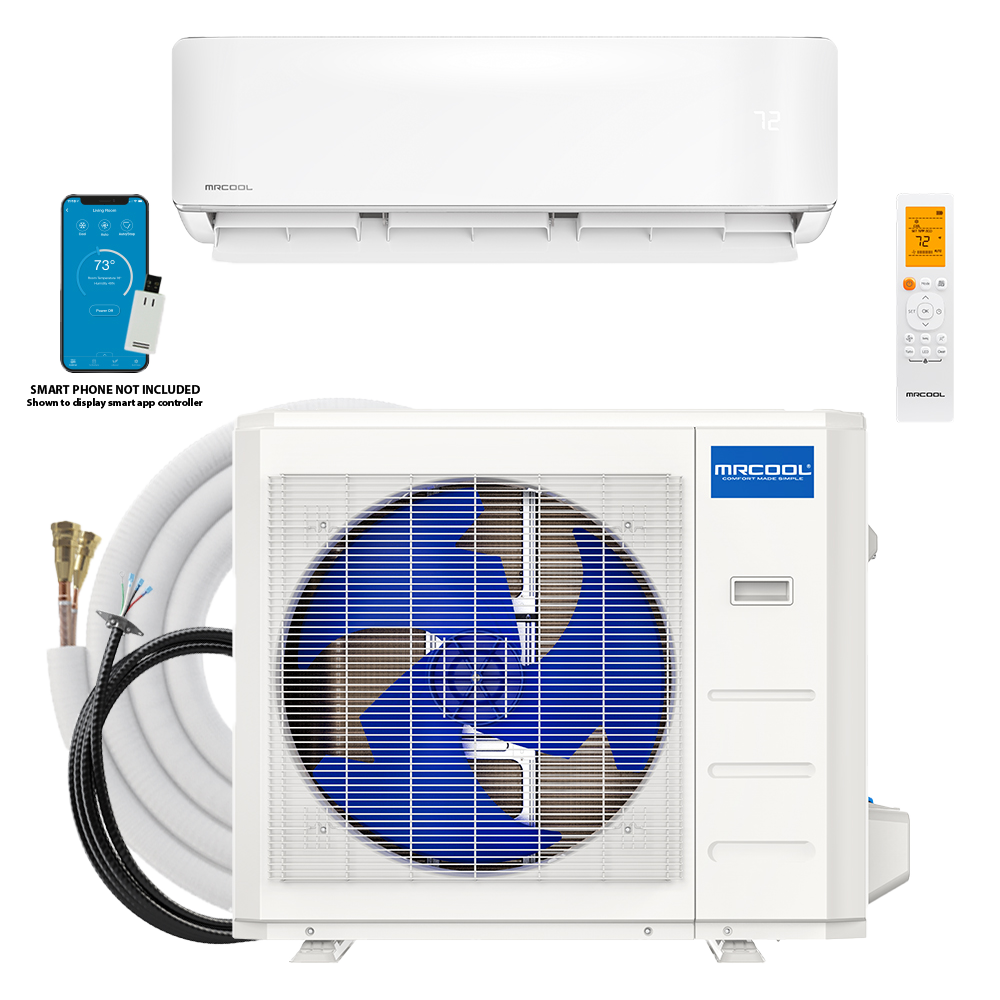
Sizing for Alaska
Anchorage and Southcentral
Size up significantly for Alaska's heating loads:
| Room | Lower 48 Sizing | Alaska Recommendation |
|---|---|---|
| Bedroom (200 sq ft) | 9K BTU | 18K BTU |
| Living room (400 sq ft) | 12-18K BTU | 24K BTU |
| Main floor (800 sq ft) | 24K BTU | 36K BTU |
Why oversize for Alaska: At -15°F, a heat pump retains approximately 55-65% of its rated capacity. A 24K BTU system at -15°F delivers approximately 13,000-15,000 BTU — adequate for a large room but not a whole house. Oversizing ensures sufficient capacity at the temperatures that matter most.
Juneau and Southeast
Standard cold-climate sizing (similar to Seattle or Portland):
| Room | Recommended System |
|---|---|
| Bedroom | 12K BTU |
| Living room | 18K BTU or 24K BTU |
| Main floor | 24K BTU or 36K BTU |
Alaska Installation Considerations
Outdoor Unit in Extreme Cold
- Wall-mount is essential in most of Alaska — snow depth of 3-6 feet is common
- Mount on the south-facing wall for maximum solar warming and protection from north wind
- Install a wind baffle on the windward side
- Use a snow shelf to prevent ice and snow accumulation on top
- Ensure the base pan heater is functioning — critical for preventing condensate from freezing in the unit's base
Defrost in Alaska
At low temperatures with any ambient moisture, the outdoor coil will frost frequently. The MrCool's intelligent defrost system handles this, but in Alaska you should expect:
- More frequent defrost cycles during temperature ranges of 10-30°F (this range produces the most frost)
- Less frequent defrost at very cold temperatures (-10°F and below) because the air is very dry
- Steam from the outdoor unit during defrost — normal and expected
Power Considerations
- Ensure your electrical panel can handle the additional load
- A dedicated 230V circuit is needed for 18K+ BTU systems
- Consider a backup generator — Alaska power outages during winter storms are dangerous without heat
Short Installation Season
Alaska's DIY installation window is limited:
- Best months: June-August (long days, mild temperatures)
- Acceptable: May and September
- Avoid: October-April (too cold for comfortable outdoor work and sealant curing)
Alaska Energy Incentives
- Federal 25C tax credit: Up to $2,000
- Alaska Housing Finance Corporation (AHFC): Energy rebate programs including the Home Energy Rebate Program
- AK Warm program: Home energy assessments and rebate referrals
- Rural Alaska: Additional programs for remote communities
- HVACZAR promo: Code SUMMER100 for $100 off
Alaska Scenarios
Anchorage Ranch Home
Typical Anchorage home: 1,200-1,600 sq ft, oil furnace, no AC. Install a 36K BTU heat pump for the main living area and a 18K BTU for the master bedroom. Keep the oil furnace as backup. Expected savings: $2,000-$2,800/year on heating fuel.
Juneau Waterfront Home
Southeast Alaska's mild, wet climate is perfect for heat pumps year-round. Focus on corrosion protection from salt air and rain management. A multi-zone setup provides complete heating and occasional cooling.
Cabin or Remote Property
Off-grid and remote Alaska properties with generator power can benefit from a heat pump's efficiency — using less generator fuel for the same heat output. The WiFi control feature is less useful without reliable internet, but the system operates perfectly via the included remote control.
Alaska's Heating Future
As fuel oil prices continue to rise and cold-climate heat pump technology continues to improve, heat pumps are becoming an essential part of Alaska's heating strategy. They don't replace the furnace for the coldest days, but they dramatically reduce dependence on expensive fossil fuels for the majority of the heating season.
Use promo code SUMMER100 for $100 off at HVACZAR.
Share this article
Find rebates in your state
Federal tax credits plus state and utility rebates can cut thousands off a qualifying heat pump.
More on this topic: Cold Climate & Heat Pumps
Keep Reading
Related Articles
Las Vegas to Phoenix: Desert City Cooling
The Southwest desert corridor from Las Vegas to Phoenix faces months of 100°F+ heat. Learn how to size, install, and optimize mini splits for desert city living.
Hawaii: Year-Round Tropical Cooling
Hawaii's tropical climate means year-round cooling and dehumidification needs. Learn which mini splits work best for island homes and how to handle salt air.
Great Plains: Kansas, Nebraska, Dakotas
The Great Plains bring extreme temperature swings, relentless wind, and wide-open spaces. Find the right mini split setup for plains states HVAC needs.