
Hawaii: Year-Round Tropical Cooling
Hawaii's tropical climate means year-round cooling and dehumidification needs. Learn which mini splits work best for island homes and how to handle salt air.
Admin User
Author
Hawaii: Year-Round Tropical Cooling
Hawaii's tropical paradise comes with a tropical HVAC challenge: warm temperatures and high humidity that never take a day off. Unlike mainland states with seasonal cooling needs, Hawaii homes need consistent climate control 365 days a year.
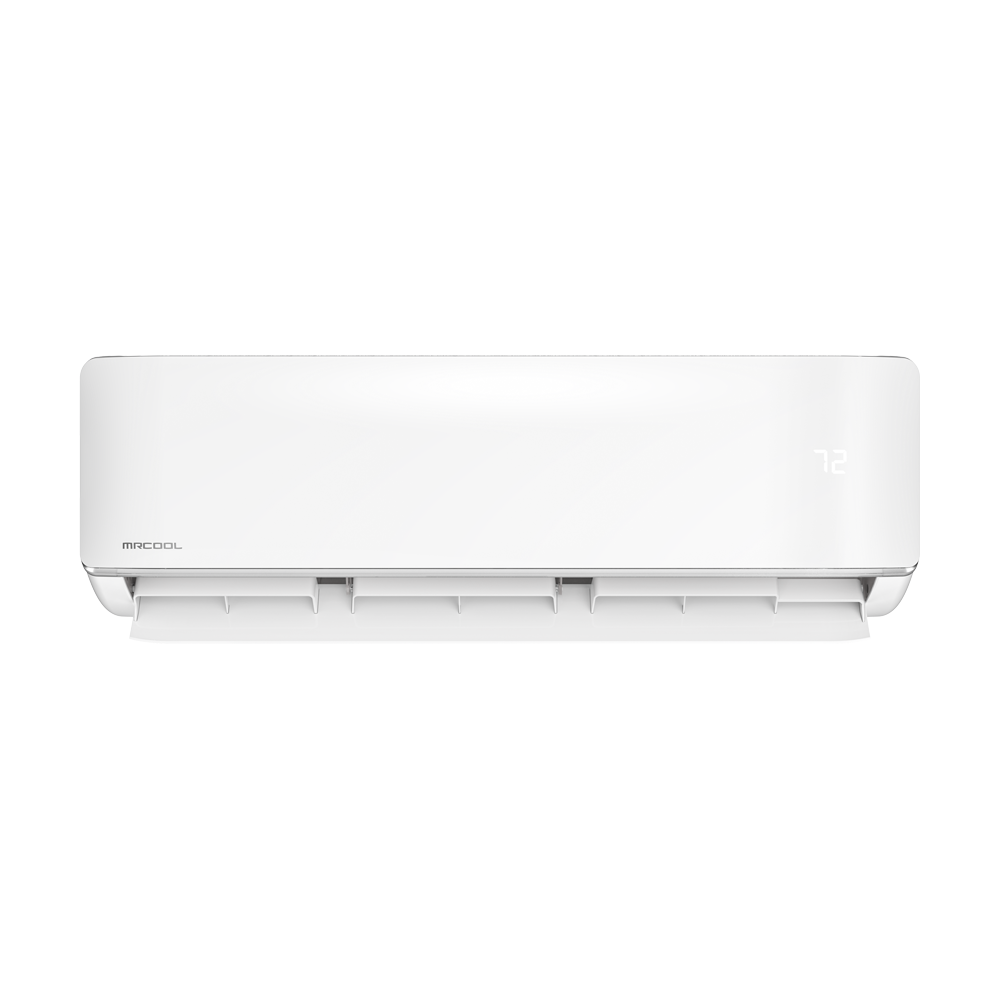
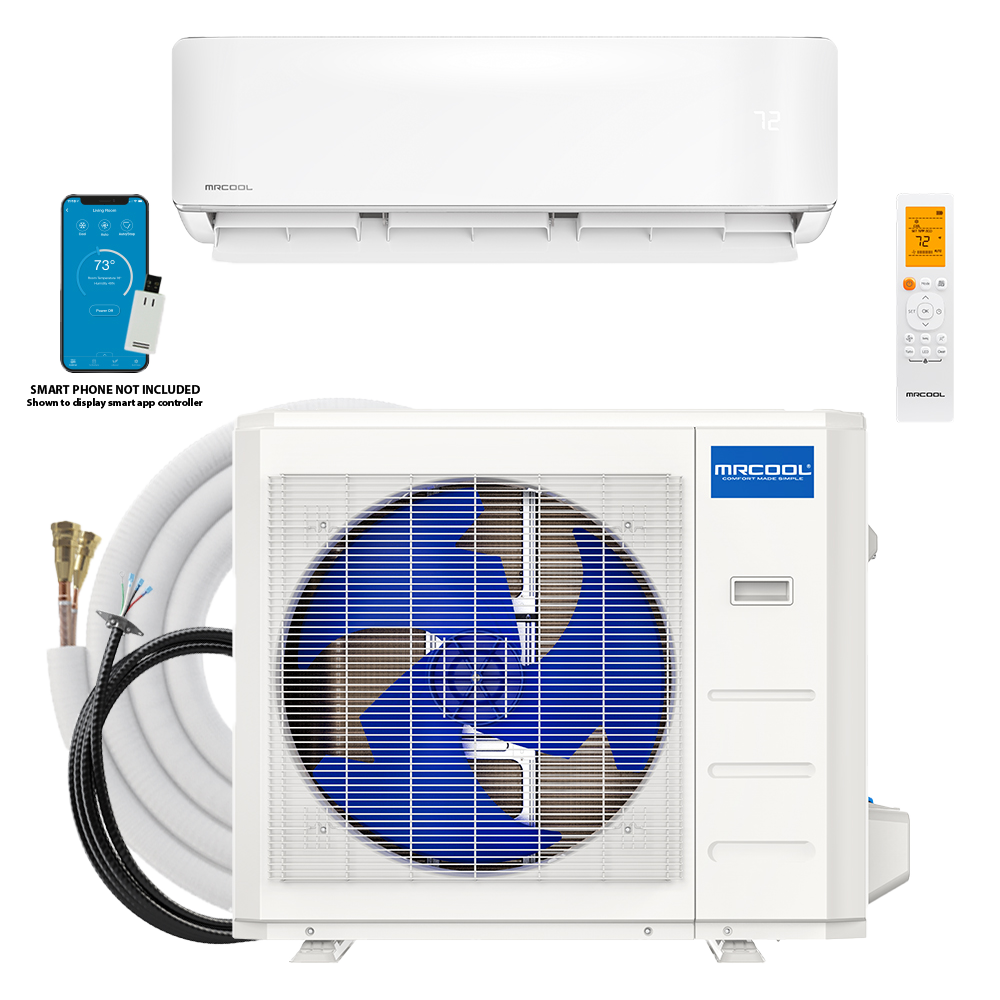
MrCool mini splits are the ideal solution for island living — efficient, quiet, salt-air resistant, and designed for the consistent cooling that Hawaii demands.
Hawaii's Cooling Climate
Temperature Profile
| Location | Avg High | Avg Low | Humidity | Cooling Season |
|---|---|---|---|---|
| Honolulu (Oahu) | 84-89°F | 68-75°F | 60-70% | Year-round |
| Hilo (Big Island) | 82-85°F | 66-72°F | 75-85% | Year-round |
| Kona (Big Island) | 84-87°F | 70-74°F | 55-65% | Year-round |
| Kahului (Maui) | 84-88°F | 66-73°F | 60-70% | Year-round |
| Lihue (Kauai) | 82-85°F | 67-73°F | 70-80% | Year-round |
Hawaii's temperatures are remarkably consistent — the difference between summer and winter averages is only about 5-7°F. What varies more is humidity, which depends on trade winds, elevation, and which side of the island (windward vs. leeward) you're on.
Heating Needs
Hawaii essentially has no heating season at sea level. Higher elevation communities (Volcano on the Big Island, upcountry Maui) occasionally see temperatures in the 50s-60s, where a heat pump's heating mode provides welcome warmth.
Why Mini Splits Are Hawaii's HVAC Standard
Mini splits are already the most popular HVAC system in Hawaii, and for good reason:
No Ductwork in Island Homes
Most Hawaii homes — especially older plantation-style, post-and-pier, and mid-century construction — were built without central air or ductwork. Adding ducts is expensive, impractical in open-air construction, and unnecessary when mini splits provide superior zone control.
Trade Wind Integration
Traditional Hawaii architecture relies on trade winds for natural cooling. Mini splits complement this approach:
- Open windows when trade winds blow (comfortable days)
- Run the mini split when trades die (still, humid days)
- Zone control — cool the bedroom at night while leaving the lanai open to the breeze
Humidity Management
Hawaii's humidity is the primary comfort issue, not temperature. A day at 84°F and 50% humidity is pleasant. The same day at 84°F and 80% humidity is miserable.
MrCool's dry mode and variable-speed operation provide precise humidity control. Many Hawaii homeowners set their mini split to 76-78°F — which would be warm on the mainland — and feel perfectly comfortable because the system keeps humidity at 45-55%.
Salt Air: Hawaii's Equipment Destroyer
The Corrosion Challenge
Salt-laden ocean air is the #1 threat to any mechanical equipment in Hawaii. Salt accelerates corrosion on:
- Condenser coils (copper and aluminum)
- Cabinet housing (steel)
- Electrical connections
- Mounting hardware
How to Protect Your Mini Split
Location:
- Install the outdoor unit on the leeward side of the building when possible — away from the dominant trade wind direction (typically easterly)
- Keep the unit away from direct ocean spray — the further from the water, the better
- Use a wall-mounted bracket to elevate the unit above ground moisture
Maintenance (critical in Hawaii):
- Bi-weekly: Rinse the condenser coils with fresh water. This is the single most important maintenance task in Hawaii. Salt deposits build up rapidly and corrode coils.
- Monthly: Inspect for early signs of corrosion. Address immediately with anti-corrosion spray.
- Quarterly: Deep clean with a commercial coil cleaner
- Annually: Inspect all electrical connections for corrosion
Protective coatings:
- Consider having the condenser coils treated with an anti-corrosion coating (available from HVAC supply houses)
- Use stainless steel mounting hardware instead of standard zinc-plated hardware
- Apply marine-grade sealant to electrical connections
Sizing for Hawaii
Hawaii's consistent temperatures make sizing straightforward:
| Room | Recommended System |
|---|---|
| Bedroom (150-300 sq ft) | 9K BTU |
| Living room (300-500 sq ft) | 12K BTU |
| Large living/dining (500-800 sq ft) | 18K BTU |
| Open floor plan (800-1,200 sq ft) | 24K BTU |
Hawaii sizing note: You can often size DOWN slightly compared to mainland recommendations because:
- Hawaii homes are generally smaller
- Many homes have excellent natural ventilation (open floor plans, jalousie windows)
- The temperature differential between inside and outside is smaller (you're cooling from 85°F to 75°F, not from 100°F to 72°F)
- No heating load to account for
Multi-Zone Approach
The most common Hawaii residential setup:
- Master bedroom: 9K BTU — run at night for sleeping comfort
- Living room: 12K BTU — run during daytime when trades aren't blowing
- Additional bedrooms: 9K BTU each as needed
This zone approach lets you cool only the room you're using — important given Hawaii's high electricity rates.
Hawaii's High Energy Costs
The Electricity Challenge
Hawaii has the highest electricity rates in the United States:
| Island | Average Rate |
|---|---|
| Oahu (HECO) | $0.35-$0.45/kWh |
| Maui (MECO) | $0.40-$0.50/kWh |
| Big Island (HELCO) | $0.38-$0.48/kWh |
| Kauai (KIUC) | $0.38-$0.45/kWh |
At 3-4x the national average, every BTU of efficiency matters.
Why SEER2 20+ Changes Everything in Hawaii
The difference between a SEER2 14 system and a SEER2 21 system is amplified by Hawaii's electricity rates:
| System | SEER2 | Annual kWh (Year-Round Cooling) | Annual Cost (at $0.40/kWh) |
|---|---|---|---|
| Standard split AC | 14 | 3,800 | $1,520 |
| Mid-range | 18 | 2,956 | $1,182 |
| MrCool 5th Gen | 21 | 2,533 | $1,013 |
| MrCool + zone control | 21 | 1,520 | $608 |
Annual savings with zone-controlled mini splits: $500-$900 — significant on any budget, but especially meaningful at Hawaii's electricity prices.
Solar Pairing
Many Hawaii homes have rooftop solar (Hawaii leads the nation in per-capita solar adoption). Pairing solar with an efficient mini split means your cooling costs can approach $0 during daytime hours when solar production exceeds consumption.
Common Hawaii Scenarios
Plantation-Style Home
Classic Hawaii plantation home: post-and-pier construction, jalousie windows, open floor plan. These homes are designed for natural ventilation but struggle on still, humid days. A 12K BTU in the living area and 9K BTU units in bedrooms provides targeted comfort without fighting the home's open design.
Condo/Apartment in Honolulu
High-rise living in Waikiki and downtown Honolulu. Many units have aging through-wall AC units. A mini split upgrade provides dramatic efficiency improvement and quieter operation. 9K BTU handles most one-bedroom condos.
Vacation Rental / VRBO
Hawaii vacation rentals need reliable cooling for guest satisfaction and good reviews. Mini split zone control lets you manage energy costs by cooling only occupied rooms. WiFi control allows remote monitoring between guest stays.
Upcountry Maui or Volcano (Big Island)
Higher elevation communities (3,000-4,000+ ft) experience cooler temperatures — 60s to 70s year-round. A mini split's heat pump function provides welcome warmth on cool evenings while still handling occasional warm days.
Hawaii Incentives
- Federal 25C tax credit: Up to $2,000
- Hawaii Energy (statewide): Rebates for high-efficiency HVAC systems
- Hawaii state tax credit: Additional state-level credits may apply
- HVACZAR promo: Code SUMMER100 for $100 off
Shipping to Hawaii
HVACZAR ships to Hawaii. Shipping costs and times are higher than mainland orders, so plan ahead. Order early to account for island delivery logistics.
Island-Perfect Climate Control
Hawaii's combination of year-round cooling needs, high electricity rates, and salt air challenges makes the MrCool 5th Gen DIY mini split the smart choice. Superior efficiency cuts your already-high electric bills, and the DIY installation saves you the premium prices Hawaiian contractors charge.
Use promo code SUMMER100 for $100 off at HVACZAR.
Share this article
Find rebates in your state
Federal tax credits plus state and utility rebates can cut thousands off a qualifying heat pump.
More on this topic: Buying Guides
Keep Reading
Related Articles
Las Vegas to Phoenix: Desert City Cooling
The Southwest desert corridor from Las Vegas to Phoenix faces months of 100°F+ heat. Learn how to size, install, and optimize mini splits for desert city living.
Alaska: Hyper Heat for Extreme Cold
Alaska's extreme cold tests the limits of any heating system. Learn how modern cold-climate heat pumps perform in Anchorage, Fairbanks, and Juneau — and when you need backup.
Great Plains: Kansas, Nebraska, Dakotas
The Great Plains bring extreme temperature swings, relentless wind, and wide-open spaces. Find the right mini split setup for plains states HVAC needs.