
Great Plains: Kansas, Nebraska, Dakotas
The Great Plains bring extreme temperature swings, relentless wind, and wide-open spaces. Find the right mini split setup for plains states HVAC needs.
Admin User
Author
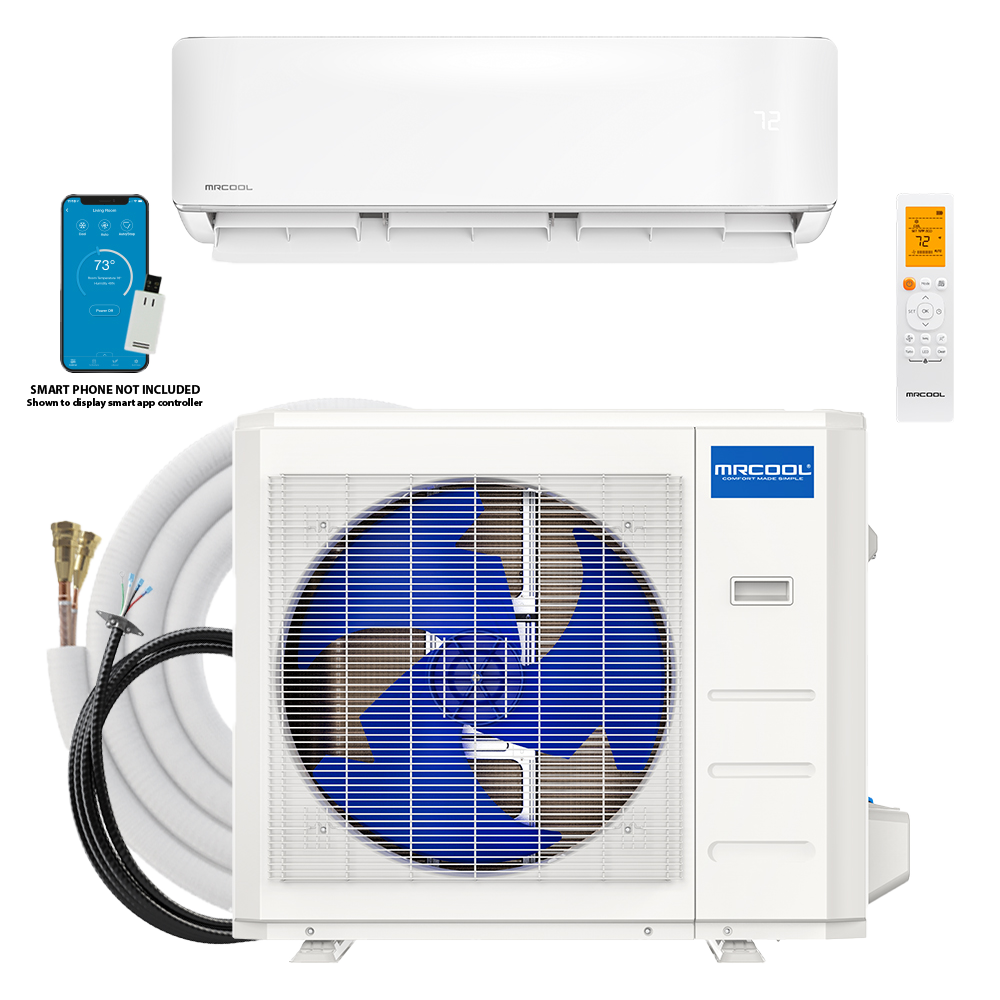
Great Plains: Kansas, Nebraska, Dakotas
The Great Plains are defined by extremes. Summers push 100°F with oppressive humidity. Winters drop to -20°F with howling wind. The temperature difference between the hottest summer day and coldest winter night can exceed 140°F. Add relentless wind that seems to blow 365 days a year, and you have one of America's most demanding HVAC environments.
But for all the challenges, the Great Plains also offer opportunity: low electricity rates, available space for outdoor equipment, and a practical, DIY-oriented homeowner culture that aligns perfectly with MrCool's installation philosophy.
Great Plains Climate Data
| City | Summer Avg High | Winter Avg Low | Design Temp | Heating Degree Days |
|---|---|---|---|---|
| Wichita, KS | 93°F | 22°F | 5°F | 4,687 |
| Kansas City, KS | 89°F | 20°F | 2°F | 5,246 |
| Omaha, NE | 87°F | 12°F | -5°F | 6,311 |
| Lincoln, NE | 88°F | 13°F | -4°F | 6,137 |
| Sioux Falls, SD | 84°F | 6°F | -14°F | 7,839 |
| Fargo, ND | 82°F | -1°F | -18°F | 9,226 |
| Bismarck, ND | 84°F | -2°F | -19°F | 8,851 |
The Great Plains Triple Threat
1. Extreme temperature range: Wichita can see 110°F in July and -5°F in January — a 115°F annual range. Systems must handle both ends.
2. Persistent wind: The Great Plains average 12-18 mph sustained winds year-round. Wind increases heating load through infiltration and affects outdoor unit performance.
3. Summer humidity (surprising!): While the western Plains are dry, the eastern Plains (Kansas City through Omaha and the Dakotas) experience surprisingly high summer humidity — dew points regularly in the 70s from June through August.
Wind: The Great Plains Factor
How Wind Affects HVAC
Wind is the #1 regional factor for Great Plains HVAC:
Increased heating load: A 15 mph wind hitting your home increases heat loss by 20-40% compared to calm conditions. This means:
- Homes need more heating capacity than temperature alone suggests
- Air sealing is even more critical than in calmer climates
- The outdoor condenser faces wind chill effects that can reduce its efficiency
Outdoor unit performance: Wind hitting the condenser can actually HELP cooling efficiency (better heat rejection) but HURT heating efficiency (colder coil temperature). In winter heating mode, wind chill on the outdoor coil makes it harder to extract heat.
Wind Protection Strategies
- Install the outdoor unit on the leeward (downwind) side of the house — typically the south or east side in the Great Plains, where prevailing winds come from the northwest
- Use a windbreak: A fence, hedge, or purpose-built screen 3-5 feet from the unit blocks direct wind while maintaining airflow. Leave the top open.
- Avoid exposed north and west walls for condenser placement
- Anchor the condenser securely — Great Plains wind gusts can exceed 60-80 mph during storms
Sizing for the Great Plains
Southern Plains (Kansas, Southern Nebraska)
Design temperatures around 0°F to 5°F — cold but manageable for modern heat pumps.
| Room | Recommended System |
|---|---|
| Bedrooms (200-300 sq ft) | 12K BTU |
| Living rooms (400-600 sq ft) | 18K BTU or 24K BTU |
| Main floor (800-1,200 sq ft) | 24K BTU or 36K BTU |
Northern Plains (Dakotas, Northern Nebraska)
Design temperatures -14°F to -19°F — genuinely extreme. Size up and plan supplemental heat.
| Room | Recommended System |
|---|---|
| Bedrooms (200-300 sq ft) | 18K BTU |
| Living rooms (400-600 sq ft) | 24K BTU |
| Main floor (800-1,200 sq ft) | 36K BTU + backup furnace |
Northern Plains strategy: Keep the existing gas or propane furnace as backup for the coldest 10-15% of winter. The heat pump handles the rest at much higher efficiency.
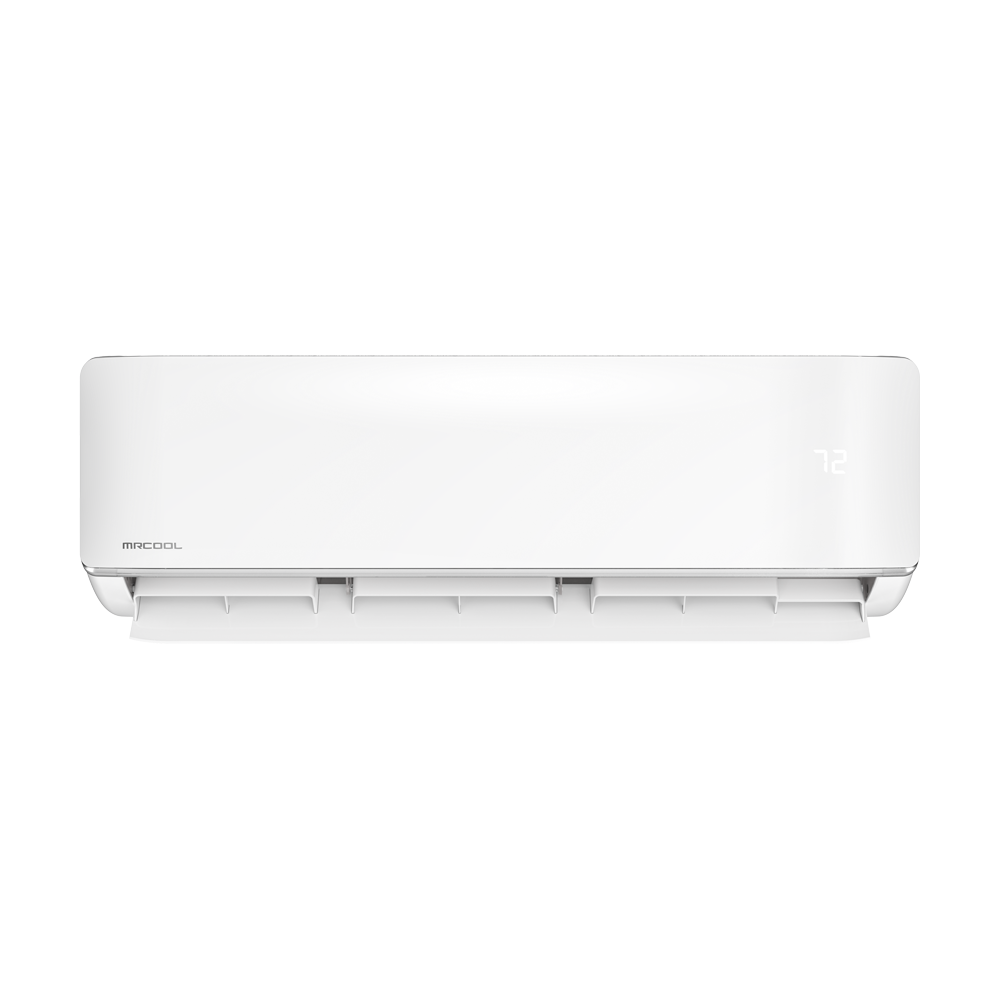
Rural Installation Considerations
Many Great Plains homes are on large rural properties. This creates both challenges and advantages:
Advantages for Rural Properties
- No HOA restrictions on outdoor equipment placement
- Plenty of space for optimal condenser positioning
- No noise concerns from neighbors
- DIY culture: Great Plains homeowners are generally comfortable with tools and self-installation
Challenges for Rural Properties
- Long runs: If the best location for the indoor unit is far from the optimal outdoor location, you may need extended line sets. MrCool offers line set options up to 50 feet.
- Propane or electric heat baseline: Many rural homes use propane ($3-$5/gallon) or electric resistance heat. The savings from switching to a heat pump are dramatic — potentially $1,500-$2,500/year.
- Power grid reliability: Rural Great Plains areas experience more frequent power outages. Consider a backup generator for HVAC during winter outages.
- Tornado risk: Secure outdoor units well. Consider wall-mounting to reduce ground-level debris impact.
Energy Costs and Savings
Great Plains Electricity Rates (Among the Lowest in the US)
| State | Average Rate |
|---|---|
| North Dakota | $0.09-$0.11/kWh |
| South Dakota | $0.11-$0.13/kWh |
| Nebraska | $0.10-$0.12/kWh |
| Kansas | $0.12-$0.14/kWh |
| Oklahoma | $0.09-$0.11/kWh |
These low rates make heat pump operation exceptionally affordable.
Annual Heating Cost Comparison (Omaha, 1,500 sq ft)
| System | Annual Cost |
|---|---|
| Propane furnace | $2,600 |
| Electric baseboard | $2,400 |
| Gas furnace (80% AFUE) | $1,100 |
| Gas furnace (96% AFUE) | $920 |
| MrCool heat pump + gas backup | $750 |
Replacing propane heat with a heat pump saves $1,850/year. Even supplementing gas heat saves $170-$350/year while adding cooling capability.
Common Great Plains Scenarios
Farmhouse Renovation
Classic Great Plains farmhouse: 1,800 sq ft, propane furnace, window units for summer. Converting to mini splits eliminates the propane expense and provides proper cooling. Multiple zones allow you to condition only the rooms in use.
Rural Workshop or Barn Workspace
Outbuilding workshops are common on Great Plains properties. A 12K BTU or 18K BTU mini split makes the shop comfortable year-round for welding, woodworking, or equipment repair.
Grain Bin Home (Yes, Really)
The converted grain bin home trend has a growing following on the Plains. These cylindrical metal structures need dedicated HVAC. A 18K BTU mini split provides efficient heating and cooling for the unique space.
Small Town Main Street Business
Main Street shops in Plains towns often have aging HVAC. A mini split provides efficient zone control for retail spaces — cool the showroom during business hours, let the stockroom and back office run independently.
Great Plains Incentives
- Federal 25C tax credit: Up to $2,000
- Nebraska Public Power: Various efficiency rebates
- Kansas Gas Service/Evergy: HVAC efficiency programs
- Various rural electric cooperatives offer rebates for heat pump adoption
- HVACZAR promo: Code SUMMER100 for $100 off
Plains-Proven Comfort
The Great Plains demand systems built for extremes — and the MrCool 5th Gen DIY handles both ends of the temperature spectrum. From Fargo's -18°F design temperature to Wichita's 110°F summer peaks, these systems deliver reliable comfort with exceptional efficiency.
Use promo code SUMMER100 for $100 off at HVACZAR.
Share this article
Find rebates in your state
Federal tax credits plus state and utility rebates can cut thousands off a qualifying heat pump.
More on this topic: Buying Guides
Keep Reading
Related Articles
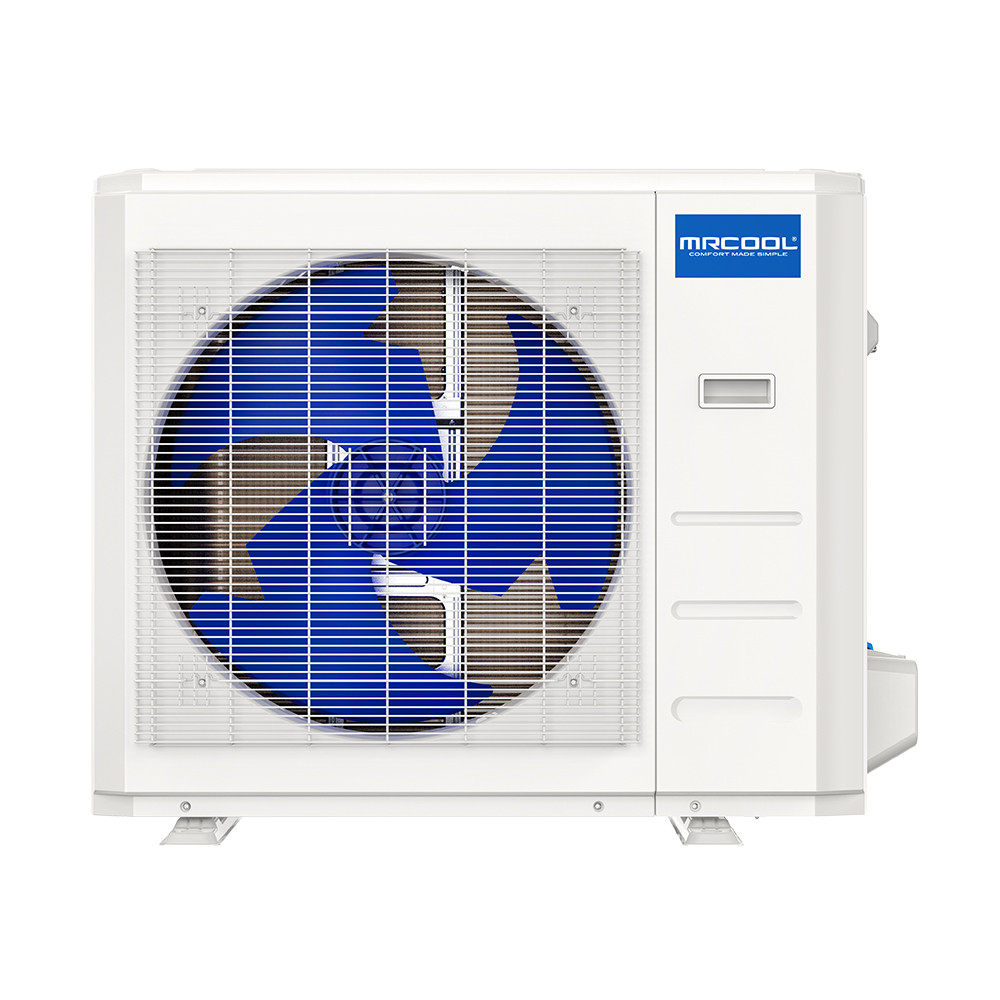
Las Vegas to Phoenix: Desert City Cooling
The Southwest desert corridor from Las Vegas to Phoenix faces months of 100°F+ heat. Learn how to size, install, and optimize mini splits for desert city living.
Alaska: Hyper Heat for Extreme Cold
Alaska's extreme cold tests the limits of any heating system. Learn how modern cold-climate heat pumps perform in Anchorage, Fairbanks, and Juneau — and when you need backup.
Hawaii: Year-Round Tropical Cooling
Hawaii's tropical climate means year-round cooling and dehumidification needs. Learn which mini splits work best for island homes and how to handle salt air.