
Las Vegas to Phoenix: Desert City Cooling
The Southwest desert corridor from Las Vegas to Phoenix faces months of 100°F+ heat. Learn how to size, install, and optimize mini splits for desert city living.
Admin User
Author
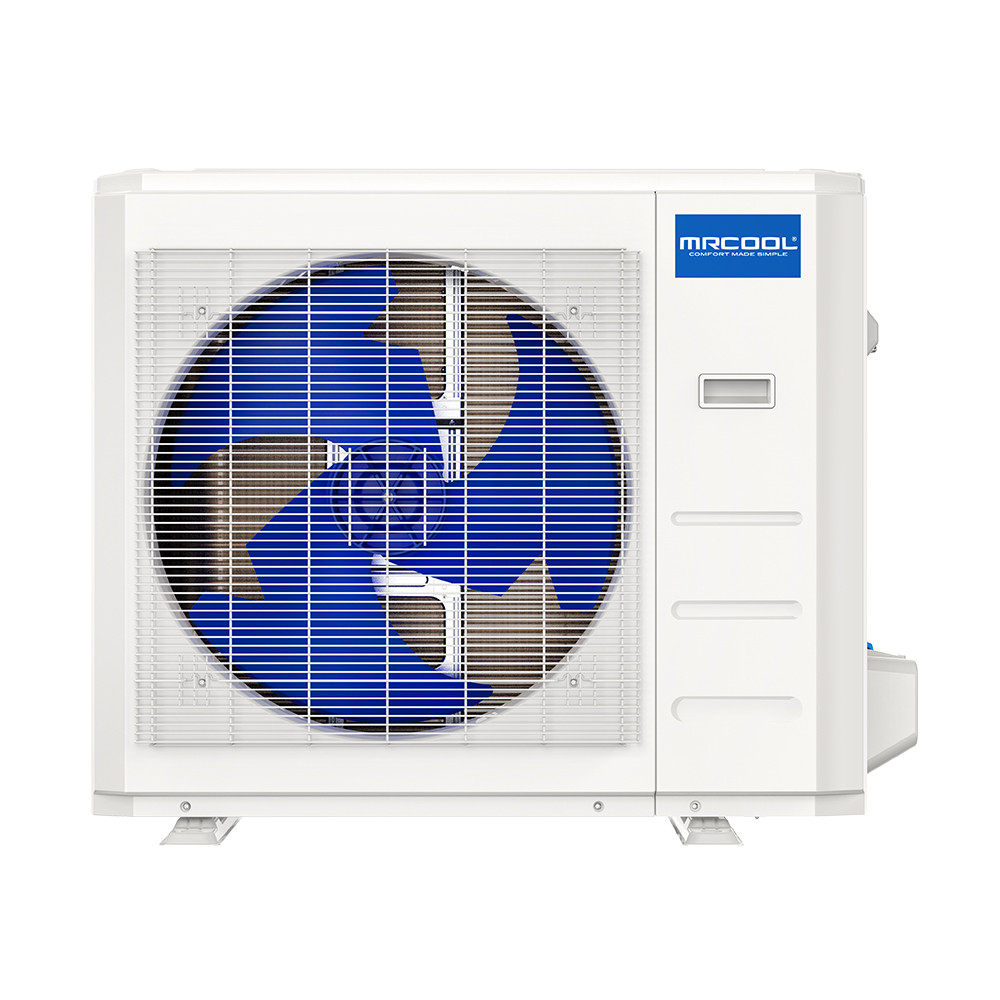
Las Vegas to Phoenix: Desert City Cooling
The Sun Belt corridor stretching from Las Vegas through Phoenix to Tucson is one of the fastest-growing regions in America — and one of the hottest. These desert cities share extreme summer heat, low humidity, mild winters, and an absolute dependence on reliable air conditioning.
When your AC fails in Phoenix at 115°F, it's not an inconvenience — it's a medical emergency. Choosing the right system and maintaining it properly isn't optional in the desert. It's survival.
Desert City Climate Comparison
| City | Avg Summer High | Days Above 100°F | Days Above 110°F | Record High | Winter Avg Low |
|---|---|---|---|---|---|
| Las Vegas | 104°F | 135 | 45 | 118°F | 37°F |
| Phoenix | 106°F | 145 | 55 | 122°F | 44°F |
| Tucson | 100°F | 100 | 15 | 117°F | 38°F |
| Henderson, NV | 103°F | 130 | 40 | 117°F | 38°F |
| Scottsdale, AZ | 105°F | 140 | 50 | 122°F | 47°F |
| Mesa, AZ | 106°F | 145 | 55 | 122°F | 47°F |
| Chandler, AZ | 106°F | 145 | 50 | 120°F | 48°F |
| Gilbert, AZ | 105°F | 140 | 45 | 121°F | 47°F |
The Desert Advantage: Low Humidity
Despite brutal temperatures, the Southwest desert has one significant HVAC advantage: low humidity. Summer humidity in Las Vegas and Phoenix typically stays between 10-30%, compared to 60-80% in the Southeast.
This means:
- Perceived temperature is lower than actual temperature (100°F at 15% humidity feels like 95°F)
- Evaporative cooling is effective — a misting system near the condenser can boost performance
- No duct mold problems — the dry air prevents mold growth
- Less dehumidification load — the AC can focus purely on temperature reduction
- Less defrost cycling in winter — dry air means less frost on outdoor coils
Monsoon Season: The Exception
July through September brings the monsoon season to Phoenix and Tucson, with afternoon thunderstorms that temporarily spike humidity to 40-60%. During monsoon, dehumidification becomes important. Las Vegas gets less monsoon influence but still sees occasional humid days.
System Requirements for Desert Cities
Operating Temperature Range
The #1 requirement: your system must operate reliably at 115°F+ outdoor temperatures.
MrCool 5th Gen systems are rated to 122°F (50°C) — exceeding the hottest temperatures recorded in Las Vegas and approaching Phoenix's all-time record. This isn't an abstract specification — it's a daily reality during desert summers.
Sizing for Extreme Heat
Desert homes need more cooling capacity than moderate climates:
| Room Size | Standard Climate | Desert Southwest |
|---|---|---|
| 200 sq ft | 9K BTU | 12K BTU |
| 350 sq ft | 12K BTU | 18K BTU |
| 550 sq ft | 18K BTU | 24K BTU |
| 800 sq ft | 24K BTU | 36K BTU |
| 1,200 sq ft | 36K BTU | Multiple units or multi-zone |
Size up one level from standard recommendations. At 115°F outdoor temperature, all AC systems lose capacity — having extra capacity ensures your home stays cool on the hottest days.
West-Facing Exposure: Size Up Again
In the desert, west-facing rooms receive the most intense afternoon sun. A west-facing living room with large windows can have a heat load 50% higher than the same room facing north. Consider sizing up two levels for heavily sun-exposed rooms.
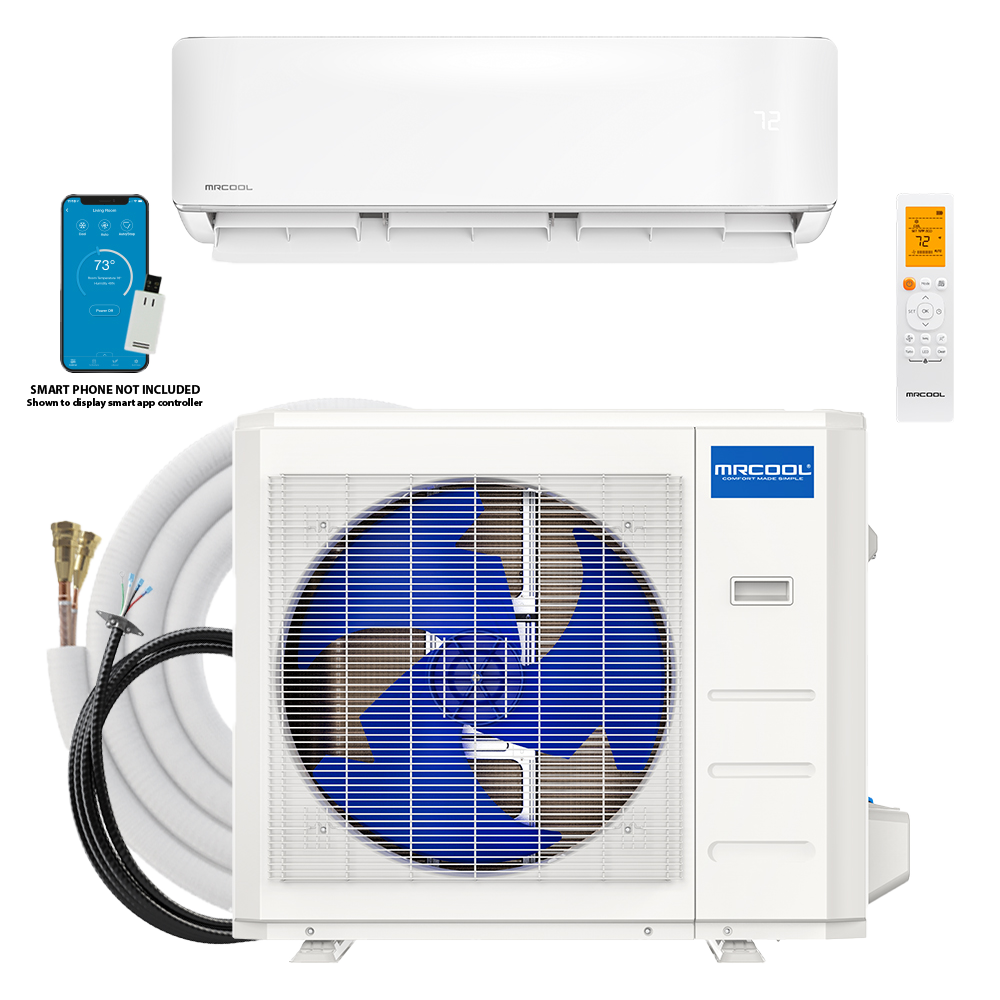
Installation: Desert-Specific Best Practices
Outdoor Unit Placement
Placement matters more in the desert than anywhere else. A poorly placed condenser can lose 20-30% efficiency.
Best placement:
- North-facing wall: Avoids direct afternoon sun
- East-facing wall: Gets morning sun only (acceptable)
- Shaded location: A purpose-built shade structure, pergola, or landscape shade can reduce condenser temperature by 10-15°F, directly improving efficiency
- Away from reflective surfaces: Don't place near south or west-facing stucco walls, concrete, or pool decks that radiate heat
Worst placement:
- South-facing wall with no shade
- West-facing wall (absorbs all-day heat AND afternoon sun)
- On a dark concrete pad in direct sun
- Enclosed in a tight space (even if shaded — airflow trumps shade)
Ground Surface Matters
The ground under and around the condenser radiates heat. In the desert:
- Light-colored gravel or concrete reflects heat away from the unit
- Dark surfaces (asphalt, dark rock) can reach 160-180°F and radiate heat toward the condenser
- Desert landscaping with shade plants (if irrigation is available) reduces ambient ground temperature
- Artificial turf: Popular in desert landscaping but gets extremely hot — don't place a condenser on or next to artificial turf
Dust and Sand Protection
Desert dust storms (haboobs in Phoenix, sandstorms in Las Vegas) can coat condenser coils in minutes:
- Monthly cleaning minimum — Rinse coils with a garden hose
- After any dust storm: Clean immediately. Desert dust packs into coil fins and dramatically reduces airflow.
- Consider a sacrificial pre-filter screen — A washable mesh screen around the condenser catches large particles before they reach the coils. Clean the screen weekly.
Electrical Considerations
Desert homes typically have adequate electrical service for mini split systems. However:
- Panel capacity: Older Las Vegas and Phoenix homes (1960s-1980s) may have 100-amp panels. Multiple mini splits plus other loads may require a panel upgrade.
- Sun exposure on wiring: Route electrical connections away from direct sun or use UV-rated conduit.
Energy Costs in the Desert
Electricity Rates
| Utility | Rate | Notes |
|---|---|---|
| NV Energy (Las Vegas) | $0.10-$0.13/kWh | Among the lowest in the West |
| APS (Phoenix) | $0.10-$0.14/kWh | Demand charges on some plans |
| SRP (East Valley, AZ) | $0.08-$0.12/kWh | Very competitive rates |
| TEP (Tucson) | $0.11-$0.14/kWh | Moderate |
Cooling Cost Is the Dominant Expense
In the desert, cooling accounts for 60-70% of your total electricity bill during summer months. July and August electricity bills of $300-$500+ are common for Las Vegas and Phoenix homes with older central air.
Monthly Cooling Cost Comparison (Las Vegas, July)
| System | SEER2 | Monthly Cost |
|---|---|---|
| Old central AC (15 yr) | 10 | $380 |
| New central AC | 15 | $255 |
| MrCool 5th Gen (whole home) | 21 | $180 |
| MrCool + zone control | 21 | $115 |
Annual cooling savings: $800-$2,200 depending on your current system and zone control usage.
Demand Charge Advantage
APS (Phoenix) and NV Energy (Las Vegas) both offer plans with demand charges — surcharges based on your peak 15-30 minute electricity draw. Central AC systems create large demand spikes when the compressor starts.
Mini splits with inverter compressors never spike — they ramp up gradually, keeping demand charges $15-$40/month lower than central air. Over a year, this is an additional $180-$480 in savings.
Desert City Scenarios
Las Vegas Newer Home
Many Las Vegas homes built in the 2000s-2020s have central air, but the roof-mounted units bake in direct sun at 150°F+ rooftop temperatures. Adding a mini split for the most-used room and setting the central air higher saves significant energy while improving comfort.
Recommended: 18K BTU or 24K BTU for the main living area. Use code SUMMER100 for $100 off.
Phoenix Pool House or Casita
Desert backyards often include pool houses, casitas, or covered patio enclosures. A 9K BTU or 12K BTU provides independent cooling without extending the main home's system.
Vacation/Snowbird Home
Many desert city homes are occupied only October-April. A mini split's WiFi control lets you:
- Set minimal cooling (88°F) during summer vacancy to protect the home
- Pre-cool before your arrival in fall
- Monitor the system remotely for any issues
- Save 50-70% on summer electricity vs. keeping central air at occupied settings
Garage or Workshop
Desert garages regularly exceed 130-140°F in summer. A 18K BTU or 24K BTU mini split plus garage door insulation makes the space usable for projects, fitness, or hobby use year-round.
Mobile Home or Manufactured Housing
A significant portion of Las Vegas and Phoenix housing is manufactured homes. These homes are often poorly insulated and have aging packaged AC units. Mini splits provide a dramatic efficiency upgrade with easy installation.
Desert Incentives
- Federal 25C tax credit: Up to $2,000
- NV Energy (Las Vegas): Energy efficiency rebates
- APS (Phoenix): Heat pump and efficiency rebates
- SRP (Phoenix East Valley): Various HVAC incentives
- HVACZAR promo: Code SUMMER100 for $100 off
Mild Desert Winters: Bonus Heat Pump Value
One often-overlooked advantage of desert mini splits: they provide free winter heating. Desert winters are mild (30s-50s at night) but cool enough to need heat. The MrCool heat pump provides efficient heating at these temperatures — COP 3.5-4.0 — at a fraction of gas or electric resistance heat costs.
Many desert homeowners discover that their mini split eliminates the need to run the gas furnace entirely during winter, saving $200-$400 on winter gas bills.
Desert-Proven Cooling
From Las Vegas to Phoenix to Tucson, the Southwest desert demands HVAC systems built for extremes. MrCool 5th Gen DIY mini splits deliver rated performance at 122°F, industry-leading efficiency, and the DIY installation that saves thousands on contractor costs in a region where HVAC labor is in high demand.
Use promo code SUMMER100 for $100 off at HVACZAR.
Share this article
Find rebates in your state
Federal tax credits plus state and utility rebates can cut thousands off a qualifying heat pump.
More on this topic: Buying Guides
Keep Reading
Related Articles
Garage Mini Split Install: Heat and Cool Your Workshop
Turn your garage or workshop into a year-round usable space with a MrCool DIY mini split. Sizing, insulation tips, placement, and a full install walkthrough.
Alaska: Hyper Heat for Extreme Cold
Alaska's extreme cold tests the limits of any heating system. Learn how modern cold-climate heat pumps perform in Anchorage, Fairbanks, and Juneau — and when you need backup.
Hawaii: Year-Round Tropical Cooling
Hawaii's tropical climate means year-round cooling and dehumidification needs. Learn which mini splits work best for island homes and how to handle salt air.