
The Catalog · Hyper Heat
Hyper Heat Mini Splits.
Heat Down to -22°F.
Standard heat pumps lose capacity as temperatures drop — most struggle below freezing. Hyper Heat models solve that. Engineered for cold climates with enhanced compressors, vapor injection, and improved refrigerant control, they deliver 100% rated heating capacity at 5°F and continue operating efficiently down to -22°F outdoor temperature. If you live in Zone 5+ (Minnesota, New England, Mountain West, Canada), Hyper Heat is the only mini split worth buying — and it qualifies for the strongest federal and state rebates.
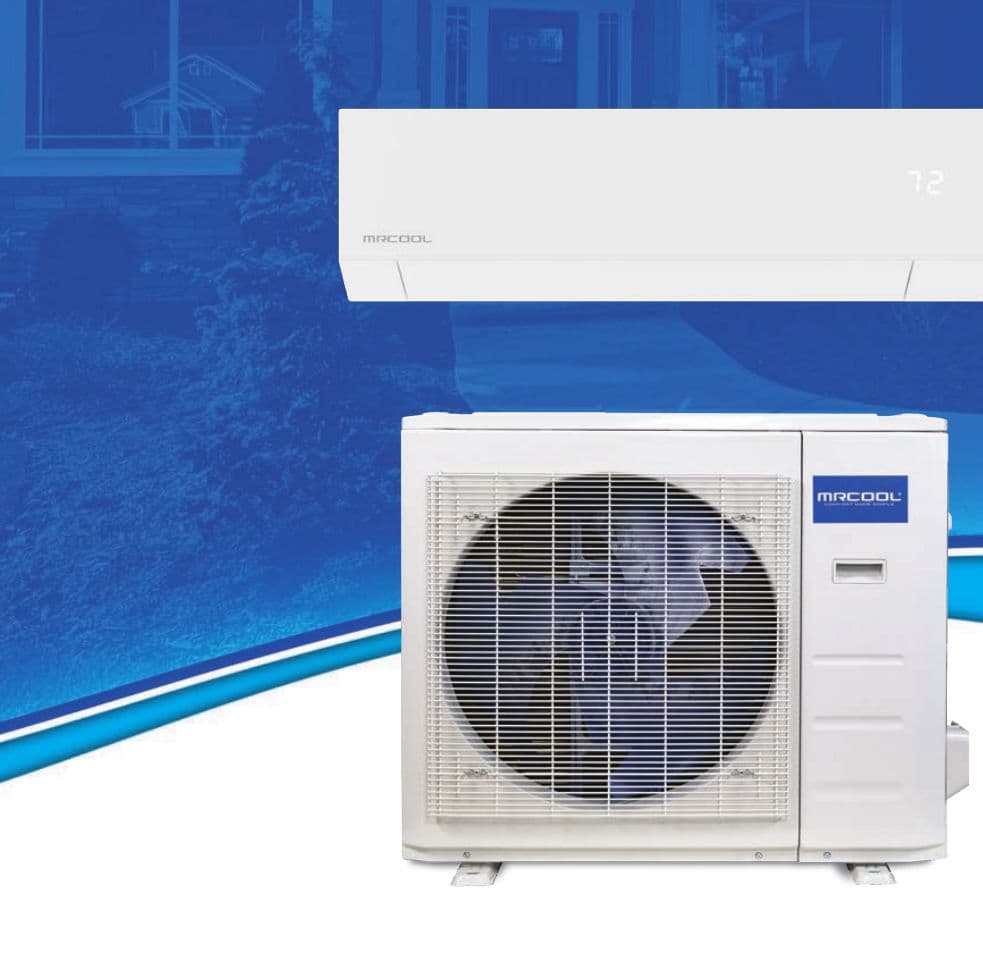
In Stock · Ships to All 50 States
In-Stock Hyper Heat Systems
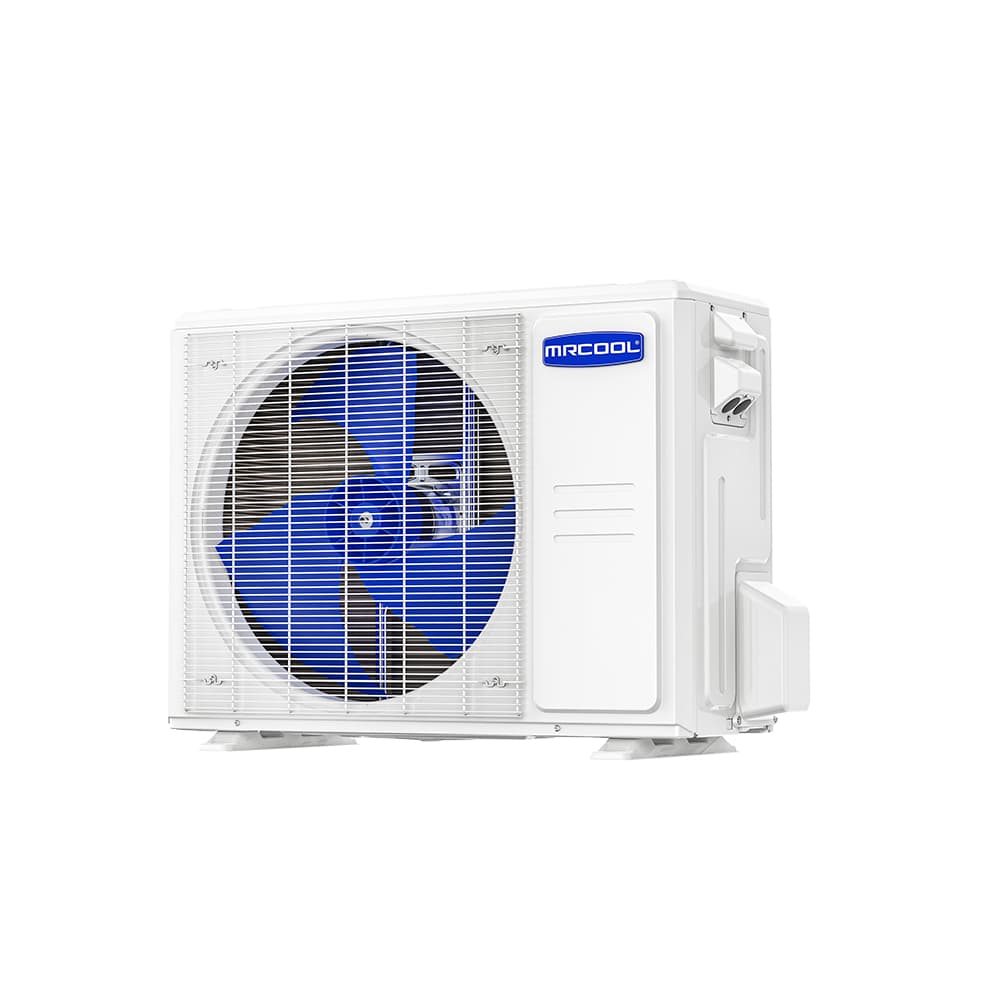
24K MRCOOL Hyper Heat Central Ducted System
Ships nationwide·In stock
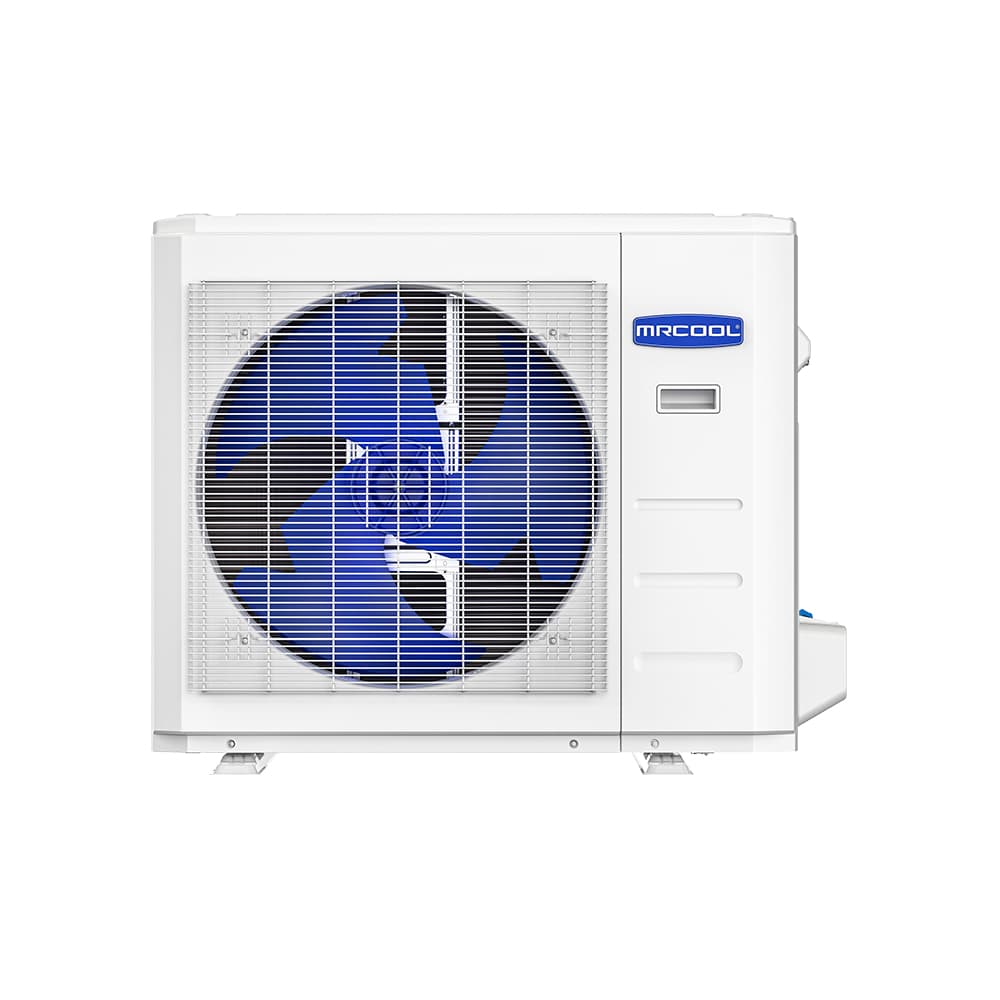
30K MRCOOL Hyper Heat Central Ducted System
Ships nationwide·In stock
36K MRCOOL Hyper Heat Central Ducted System
Ships nationwide·In stock
48K MRCOOL Hyper Heat Central Ducted System
Ships nationwide·In stock
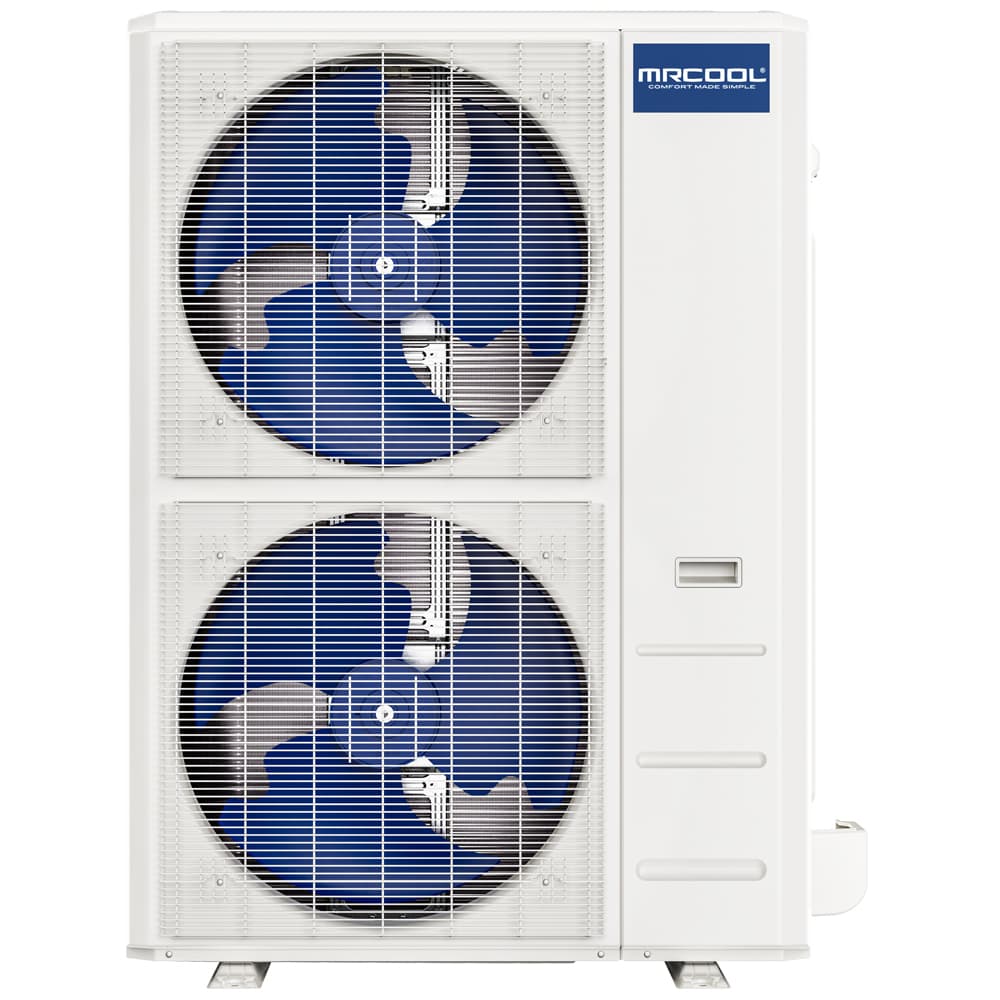
60K MRCOOL Hyper Heat Central Ducted System
Ships nationwide·In stock
Buying Guide
Why Hyper Heat matters in cold climates
A heat pump that "works" down to 0°F is not the same as one that delivers full heating capacity at 5°F. Here's what to look for.
The cold-climate heat pump problem
Standard heat pumps are sized at 47°F (the AHRI test standard). At 17°F they typically deliver only 60-70% of rated capacity, and below 0°F many shut down entirely. In cold climates, that means resistance backup heat or fossil-fuel auxiliary heating runs constantly — wiping out the heat pump's efficiency advantage.
How Hyper Heat fixes it
Hyper Heat models use vapor-injection compressors (also called "EVI" or "enhanced vapor injection") that inject extra refrigerant midway through the compression cycle. This boosts capacity at low ambient temperatures and lets the system maintain rated heating output down to 5°F. Below 5°F, capacity decreases gradually but the unit continues operating to -22°F — far past where standard heat pumps quit.
When to buy Hyper Heat vs standard
If your winter design temperature (the coldest 1% of winter hours) is above 20°F, a standard heat pump is fine — you rarely hit the cold-weather penalty. If your design temp is between 0°F and 20°F, Hyper Heat pays for itself in heating performance and rebates. If your design temp is below 0°F, Hyper Heat is mandatory unless you have substantial backup heat.
Federal & state cold-climate rebates
Hyper Heat units typically have higher SEER2 and HSPF2 ratings than standard heat pumps, qualifying for the maximum federal 25C tax credit ($2,000). Many cold-climate states stack additional rebates: Massachusetts (Mass Save) gives $10,000+ for whole-home heat pump conversions; New York (NYSERDA), Vermont, Maine, and Pacific Northwest utilities offer $1,000-$5,000 per unit. Check the database of state incentives at dsireusa.org.
Pairing Hyper Heat with backup heat
Even Hyper Heat loses some capacity below -10°F. In the coldest US zones (northern Minnesota, Maine interior, Alaska), pair Hyper Heat with electric resistance backup (built into many systems) or a hybrid setup with an existing furnace. Most days the heat pump handles 100% of the load efficiently; only the few coldest days need backup.
At a Glance
Hyper Heat vs standard heat pump vs gas furnace
Cold-climate performance and operating cost compared:
Swipe the table sideways to compare
| Hyper Heat | Standard Heat Pump | Gas Furnace | |
|---|---|---|---|
| Capacity at 47°F | 100% | 100% | 100% |
| Capacity at 17°F | 100% | 60-70% | 100% |
| Capacity at 5°F | 100% | 40-50% | 100% |
| Operates at -10°F | Yes (~70-80%) | No (off) | Yes |
| Operates at -22°F | Yes (reduced) | No | Yes |
| Cooling included | Yes | Yes | No (need AC) |
| Federal tax credit | Up to $2,000 | Up to $2,000 (if qualifying) | Up to $600 |
Frequently Asked
Common questions
What does "Hyper Heat" mean?+
Hyper Heat is the trade name for cold-climate heat pump technology. These units use vapor-injection compressors and enhanced refrigerant control to maintain heating capacity at low outdoor temperatures. The MrCool Hyper Heat line delivers 100% rated capacity at 5°F and operates down to -22°F.
Do Hyper Heat heat pumps actually work at -22°F?+
Yes — at reduced capacity. At -22°F a Hyper Heat unit typically delivers 50-60% of its rated capacity, but it continues operating without shutting down or switching to backup heat. For comparison, most standard heat pumps shut off below 5°F and require auxiliary electric resistance heat.
Are Hyper Heat units more expensive than standard heat pumps?+
Typically 10-20% more expensive at the equipment level. A 12K BTU standard heat pump might be $1,000; the Hyper Heat equivalent runs $1,150-$1,250. The price premium is offset by better heating performance, lower backup-heat usage, and stronger federal/state rebate eligibility.
Does Hyper Heat cool as well as it heats?+
Yes — Hyper Heat units are full reversible heat pumps. Cooling performance is similar to standard models (typically 19-22 SEER2). The difference is heating: Hyper Heat is engineered to maintain capacity at extreme cold without sacrificing summer cooling efficiency.
Do I need backup heat with a Hyper Heat unit?+
In most US climates, no. Hyper Heat alone handles 100% of the heating load through 99% of winter hours. In the coldest zones (northern Minnesota, interior Alaska, Vermont), pair Hyper Heat with built-in electric resistance backup or an existing furnace as auxiliary — used only on the few coldest days per year.
Which states give the biggest Hyper Heat rebates?+
Massachusetts (Mass Save: up to $10,000), New York (NYSERDA: up to $4,500), Maine (Efficiency Maine: up to $4,000), Vermont (Efficiency Vermont: up to $3,000), and Washington/Oregon utilities ($1,000-$3,000) lead. Check the federal/state incentive database at dsireusa.org for current programs in your state.