
MrCool DIY Multi-Zone: One Outdoor Unit, Multiple Rooms
How MrCool's multi-zone mini split systems work — one outdoor unit powering 2-5 indoor air handlers for whole-home ductless HVAC with independent room control.
Admin User
Author
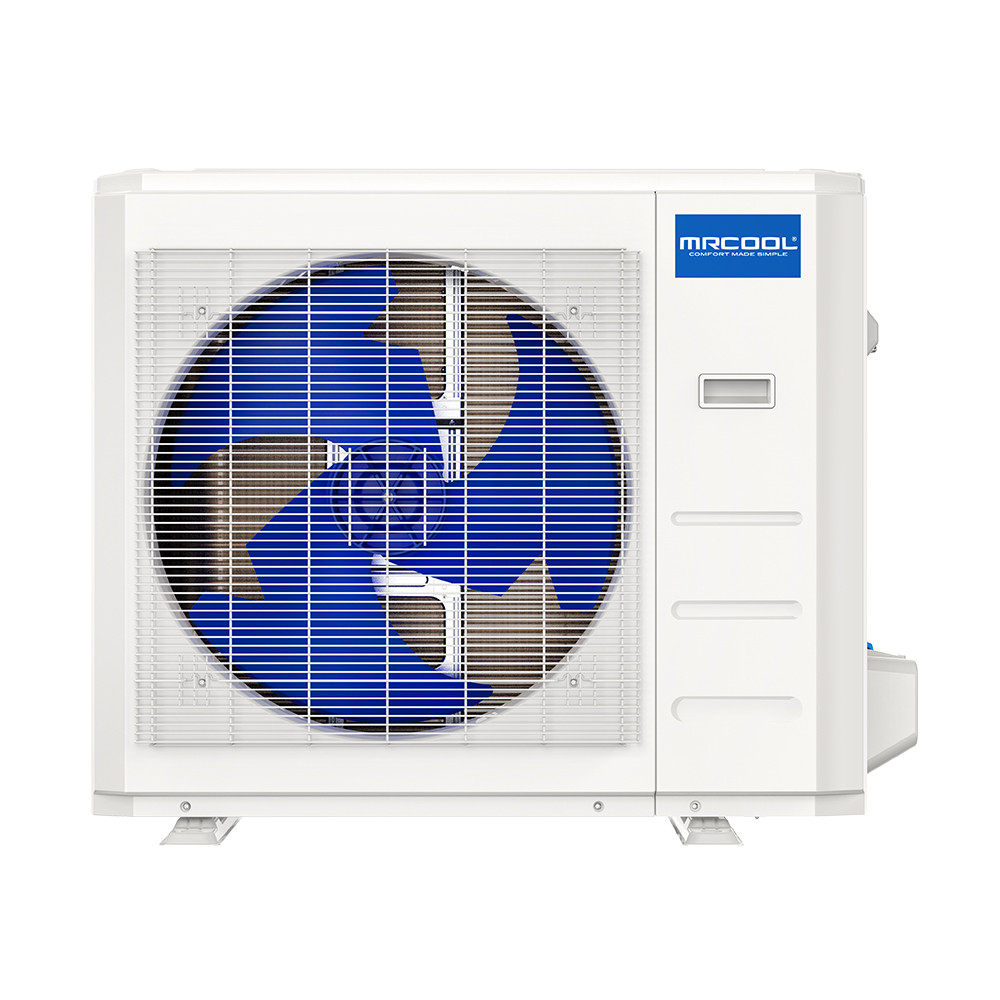
What Is a Multi-Zone Mini Split?
A single-zone mini split has one outdoor condenser connected to one indoor air handler. Simple, effective, and perfect for conditioning a single room or area.
A multi-zone mini split has one outdoor condenser connected to multiple indoor air handlers — typically 2 to 5 units. Each indoor unit is independently controlled, so you can set the bedroom to 68°F, the living room to 72°F, and the home office to 70°F, all running off one outdoor unit.
This is how you get whole-home ductless HVAC without putting a condenser outside every room.
Why Go Multi-Zone?
Cost Efficiency
Buying five separate single-zone systems means five outdoor condensers, five electrical circuits, five sets of line sets, and five installation projects. A multi-zone system shares one outdoor unit, one electrical circuit (larger gauge, but still one), and one installation session.
The cost savings vary by configuration, but a 3-zone multi-zone system typically costs 20-35% less than three equivalent single-zone systems.
Curb Appeal
Five outdoor condensers lined up along your foundation looks like a commercial building. One multi-zone condenser is compact and clean.
Simplified Maintenance
One outdoor unit to inspect, clean, and maintain instead of multiple. One set of service valves, one disconnect, one place to check refrigerant.
How MrCool Multi-Zone Systems Work
The outdoor condenser in a multi-zone system has a larger compressor and multiple refrigerant ports — one for each indoor zone. Each zone gets its own dedicated line set running from the outdoor unit to its indoor air handler.
Independent Control
Each indoor unit has its own remote control and connects independently to the SmartHVAC app. You can:
- Set different temperatures for each room
- Schedule different zones on different timers
- Turn individual zones on and off without affecting others
- Monitor energy usage per zone
Capacity Distribution
The outdoor unit has a total BTU capacity that's shared across zones. For example, a 36K BTU multi-zone condenser connected to three indoor units might have:
- Zone 1 (bedroom): 9K BTU air handler
- Zone 2 (living room): 18K BTU air handler
- Zone 3 (office): 9K BTU air handler
- Total indoor capacity: 36K BTU
An important concept: most multi-zone systems allow the total indoor capacity to exceed the outdoor unit's rated capacity by 10-30%. This is called "oversizing" and it works because it's rare for every zone to run at full capacity simultaneously. Your bedroom is usually off during the day, and your office is off at night.
Planning Your Multi-Zone Layout
Step 1: Count Your Zones
Walk through your home and identify which rooms need independent climate control. Common configurations:
- 2-zone: Master bedroom + living room
- 3-zone: Master bedroom + living room + home office
- 4-zone: Master + 2 bedrooms + living room
- 5-zone: Whole home (every major room)
Step 2: Size Each Zone
Use the BTU sizing methodology from our BTU Calculator guide to determine the BTU requirement for each room individually.
Step 3: Select the Outdoor Unit
Add up the BTU requirements for all zones and match to the appropriate outdoor unit. MrCool multi-zone condensers are available in:
- 27K BTU: Supports 2-3 zones
- 36K BTU: Supports 3-4 zones
- 48K BTU: Supports 4-5 zones
Step 4: Plan Line Set Routes
This is where multi-zone gets more complex than single-zone. You need to route a separate line set from the outdoor unit to each indoor unit. Consider:
- Central outdoor location: Place the condenser where it has the shortest total line set distance to all zones.
- Wall penetrations: Each zone needs its own wall penetration — plan these carefully to minimize visible holes and structural impact.
- Line set management: Multiple line sets running from one point means bundling and routing carefully. Line set cover kits become more important for aesthetics.
Installation Considerations
Electrical
Multi-zone systems require a 230V / 40-60A dedicated circuit depending on the outdoor unit size. This is significantly more than a single-zone system and almost certainly requires a new circuit from your main panel. Budget for electrician time.
Complexity
Let's be honest: a multi-zone installation is a bigger project than a single-zone. You're mounting multiple indoor units, running multiple line sets, drilling multiple wall penetrations, and managing more wiring. It's still DIY-able — the Quick Connect line set system works the same way — but plan for a full weekend rather than a half-day.
Zomg the Handyman recommends a staged approach: "Install one zone at a time. Get the first indoor unit mounted, connected, and tested before moving to the next. This keeps the project manageable and lets you learn from any mistakes on zone one."
Line Set Lengths
Multi-zone systems have a maximum total line set length — the sum of all line set runs can't exceed the outdoor unit's rated maximum (typically 80-130 feet depending on the model). They also have maximum individual run lengths (typically 50-80 feet per zone). Plan your layout within these constraints.
Multi-Zone vs. Multiple Single-Zone
| Factor | Multi-Zone | Multiple Single-Zone |
|---|---|---|
| Cost | Lower total cost | Higher total cost |
| Outdoor units | 1 | 1 per zone |
| Electrical | 1 large circuit | 1 circuit per zone |
| Installation complexity | Higher (more line sets from one point) | Lower per unit (but repeated) |
| Independent control | Yes | Yes |
| Redundancy | If outdoor unit fails, all zones go down | Each zone is independent |
| Flexibility | Must plan all zones upfront | Can add zones incrementally |
The Redundancy Trade-Off
The biggest disadvantage of multi-zone is the single point of failure. If your one outdoor condenser has a problem, every room loses heating and cooling simultaneously. With separate single-zone units, a failure in one zone doesn't affect the others.
For most homeowners, the cost savings of multi-zone outweigh this risk. But it's worth knowing.
When Single-Zone Makes More Sense
If you only need to condition 1-2 rooms, separate single-zone bundles are simpler, cheaper, and faster to install. Multi-zone really shines at 3+ zones where the shared infrastructure savings add up.
Also, if you want to phase your installation — do one room now, add another next year — single-zone gives you that flexibility. Multi-zone requires committing to your full layout upfront.
Pairing with Single-Zone Units
Many homeowners use a hybrid approach: a multi-zone system for the main living areas (living room + bedrooms) and a separate single-zone 12K or 24K for a detached space like a garage or workshop. This gives you the cost efficiency of multi-zone where it makes sense and the independence of single-zone where it matters.
Getting Started
If you're considering a multi-zone system, start by sizing each room individually using our BTU Calculator. Then reach out to us at HVACZAR — we can help you configure the right outdoor unit and indoor air handler combination for your layout.
For single-zone needs, browse the complete lineup of MrCool DIY 5th Gen Bundles. Use code SUMMER100 to save $100.
Share this article
Get a system built for your exact install
Our configurator picks the right line-set lengths and accessories for your run, so nothing is missing on install day.
More on this topic: Multi-Zone Systems
Keep Reading
Related Articles
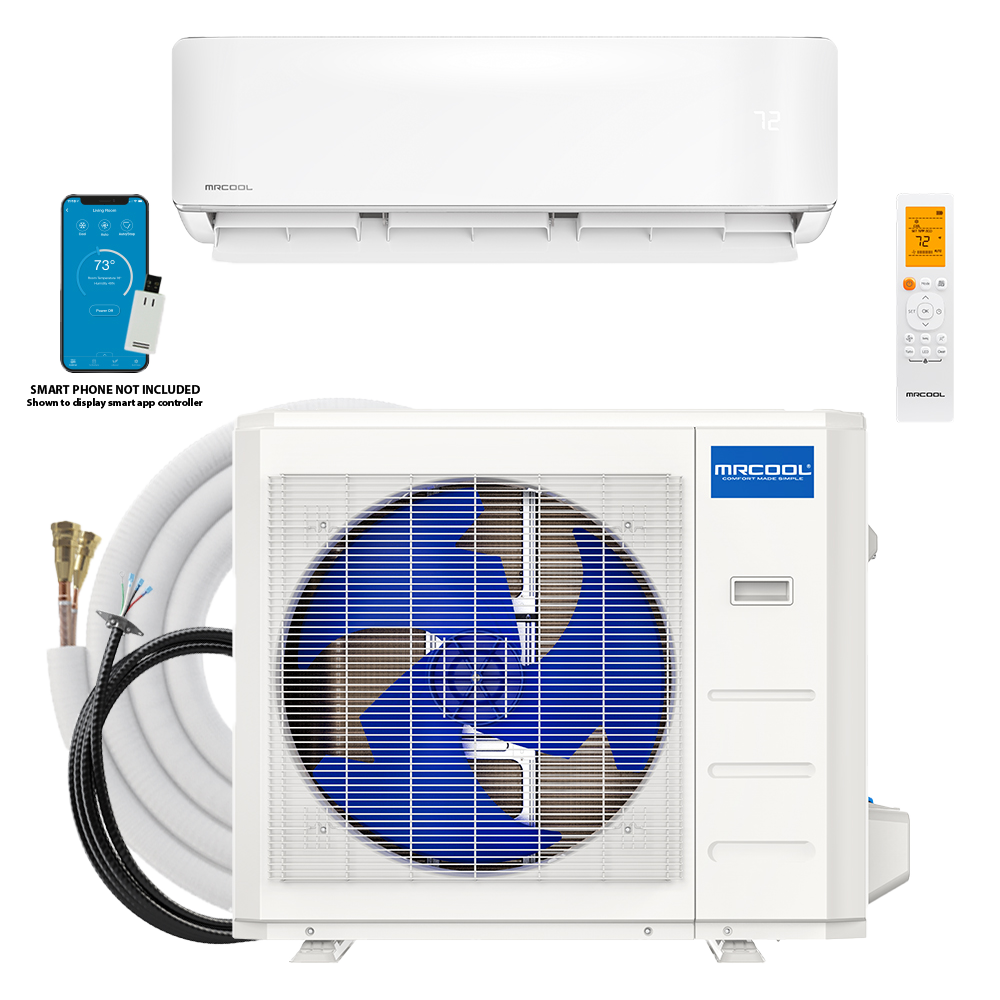
How to Install a MrCool DIY Mini Split in 4 Hours
A step-by-step walkthrough of a complete MrCool DIY 5th Gen mini split installation — from unboxing to cold air — in under four hours with no HVAC license required.
MrCool DIY 5th Gen vs 4th Gen: What Changed
A detailed comparison of MrCool's DIY 5th Generation and 4th Generation mini splits — what improved, what stayed the same, and whether it's worth upgrading.
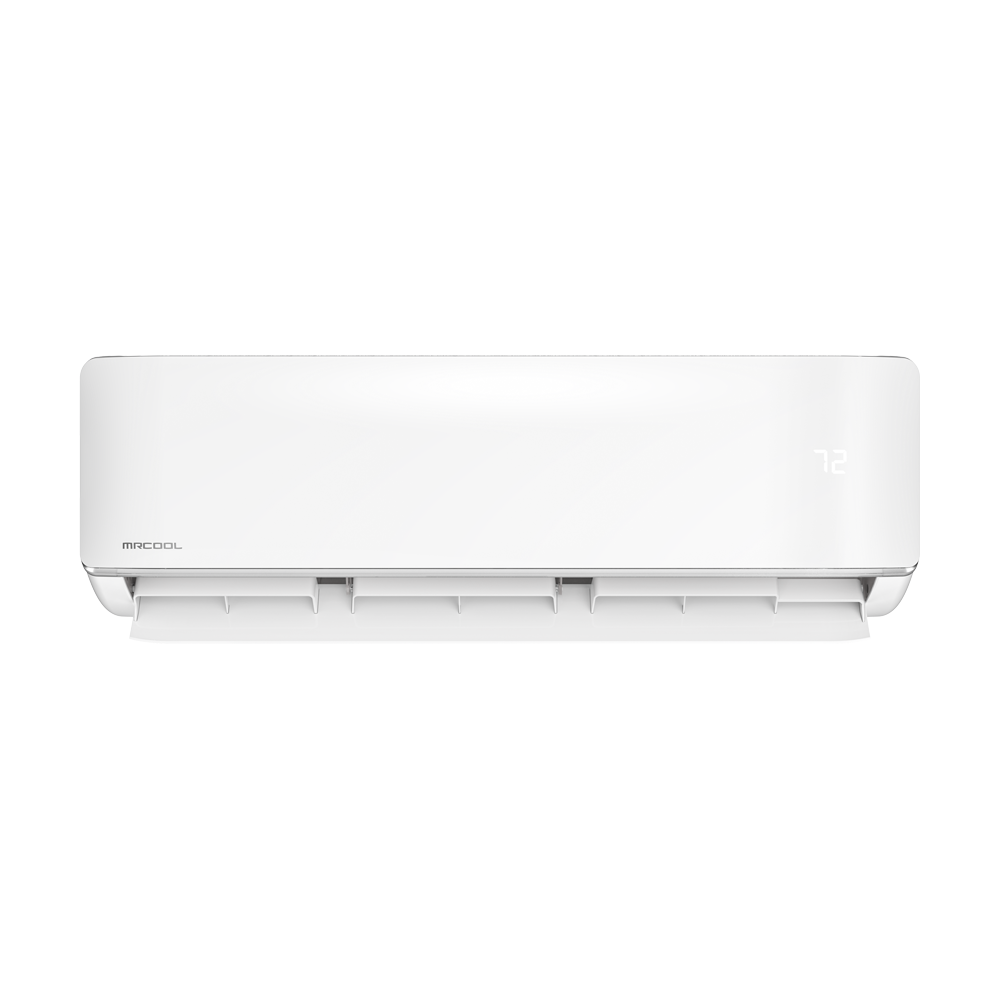
First-Time Mini Split Install? Everything You Need to Know
Never installed HVAC before? This beginner-friendly guide covers everything from picking the right system to flipping the switch on your first MrCool mini split.