
MrCool Tankless Water Heater Review
MrCool now makes tankless water heaters. We review the specs, performance, and whether the brand known for mini splits can deliver on hot water too.
Admin User
Author
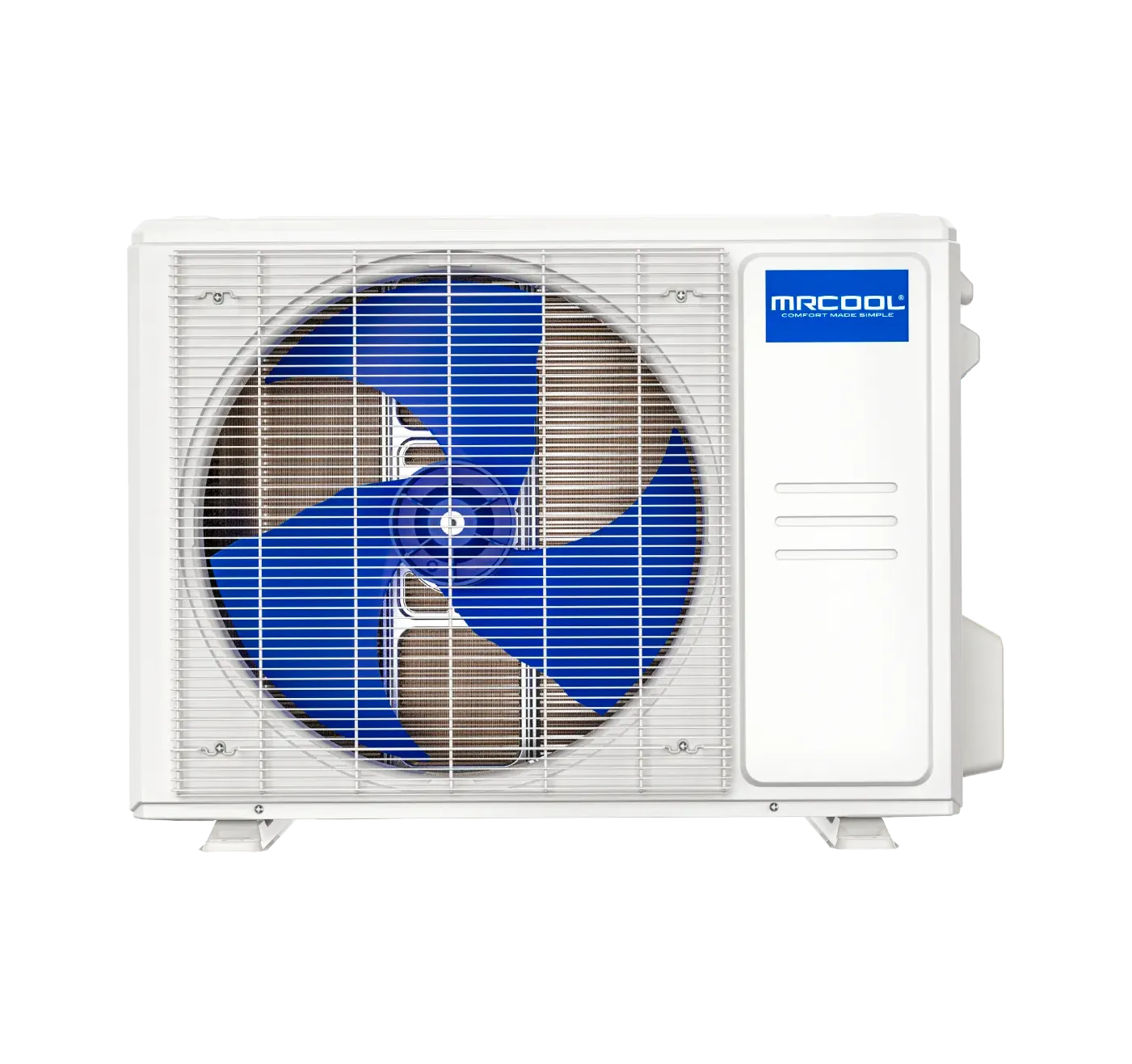
MrCool Enters the Water Heater Market
MrCool built their reputation on mini splits that homeowners can install themselves. Now they're applying that same philosophy to another home essential: hot water. The MrCool tankless water heater lineup aims to bring the brand's DIY-friendly approach to a category dominated by Rinnai, Navien, and Rheem.
Here's our honest assessment of what MrCool brings to the table.
The MrCool Tankless Lineup
MrCool offers both electric and gas (natural gas/propane) tankless water heaters. The electric models are the most interesting from a DIY perspective, as they avoid the gas line and venting requirements that typically require professional installation.
Electric Models
The electric tankless units are designed for point-of-use and whole-home applications:
- Flow rates: 1.5 to 5.5 GPM depending on model
- Energy Factor: 0.99 (essentially 99% efficient)
- Self-modulating — power adjusts to actual demand
- Compact design — wall-mounted, roughly the size of a small suitcase
Gas Models
The gas-fired units compete directly with established brands:
- Flow rates: Up to 8.4 GPM
- Uniform Energy Factor (UEF): Up to 0.96
- Condensing technology for maximum efficiency
- Both indoor and outdoor installation options
What We Like
1. Consistent with MrCool's Design Philosophy
MrCool clearly applied lessons from their HVAC line. The units feature clean designs, clear installation documentation, and smart home connectivity via WiFi. You can monitor water temperature and usage from the MrCool app — the same app that controls their mini split systems.
2. Electric Model Efficiency
At 0.99 Energy Factor, the electric models waste almost nothing. Traditional tank water heaters operate at 0.58-0.65 EF, meaning 35-42% of the energy goes to standby heat loss. Even gas tankless units top out around 0.96 UEF. The electric models are as efficient as physics allows.
3. Compact Size
The whole-home electric model measures approximately 17" x 14" x 4". Compare that to a 40-gallon tank water heater at 62" x 22". You reclaim a significant chunk of utility closet or garage space.
4. Endless Hot Water
Like all tankless systems, there's no tank to run empty. Hot water is produced on demand for as long as you need it. This is the primary advantage over tank heaters regardless of brand.
What to Consider
1. Electric Models Need Serious Amperage
Whole-home electric tankless heaters require significant electrical service — typically 150-200 amps of dedicated capacity. Many older homes with 100-amp or 150-amp panels may need an electrical panel upgrade ($1,500-$3,000) before installation.
This is true of ALL whole-home electric tankless heaters, not just MrCool's. But it's a reality check: "DIY-friendly" still means you may need an electrician for the power supply.
2. Gas Models Require Professional Installation
The gas-fired tankless units need proper venting (stainless steel for condensing models), gas line connections, and combustion air provisions. These are not DIY projects regardless of how good the manual is. Budget $500-$1,500 for professional installation.
3. Cold Climate Performance
Electric tankless heaters are rated at specific temperature rises. A unit rated at "5.5 GPM" achieves that flow rate at a 40°F temperature rise. If your incoming water is 40°F (common in northern states in winter) and you want 120°F output, that's an 80°F rise — and your flow rate drops to roughly half.
This means a "5.5 GPM" unit may only deliver 2.5-3 GPM in winter in cold climates. Plan accordingly or consider the gas models for cold-climate whole-home applications.
4. Brand Track Record
MrCool has years of proven reliability in HVAC, but their water heater line is newer. Brands like Rinnai have 20+ years of tankless water heater refinement. Early adopters should factor this in. MrCool's warranty coverage is competitive, but real-world longevity data is still accumulating.
Price Comparison
MrCool positions their tankless units competitively:
| Type | MrCool | Rinnai | Navien |
|---|---|---|---|
| Electric Whole-Home | $500-$700 | $600-$900 | $500-$800 |
| Gas Condensing | $900-$1,200 | $1,200-$1,800 | $1,100-$1,600 |
MrCool undercuts the established brands by 15-30%, which is consistent with their strategy in the mini split market.
Pairing with a MrCool Mini Split
If you're already running a MrCool DIY mini split or planning to install one, adding a MrCool tankless water heater makes practical sense. Both systems connect to the same MrCool app, giving you unified smart home control over your HVAC and hot water from one interface.
For homeowners going all-electric (pairing a heat pump mini split with an electric tankless), you're eliminating gas bills entirely. Combined with solar panels, this is a path to near-zero energy costs.
Our Verdict
MrCool's tankless water heaters are a solid entry into the market. The electric models are genuinely compelling for the price, and the gas models are competitive with established players. We'd recommend them for:
- Homeowners already in the MrCool ecosystem wanting app integration
- Budget-conscious buyers who want tankless without Rinnai/Navien pricing
- Point-of-use applications where the electric models shine
- New construction where electrical service isn't a constraint
For cold-climate whole-home applications, we'd lean toward the gas models or established brands with longer track records.
Explore MrCool at HVACZAR
While our water heater selection is growing, we're your source for the full MrCool DIY mini split lineup. Free shipping, best authorized pricing, and use code SUMMER100 for $100 off. Build your MrCool whole-home system with HVACZAR.
Share this article
See these systems in stock
Real-time pricing and availability on every MrCool series we carry.
More on this topic: Buying Guides
Keep Reading
Related Articles
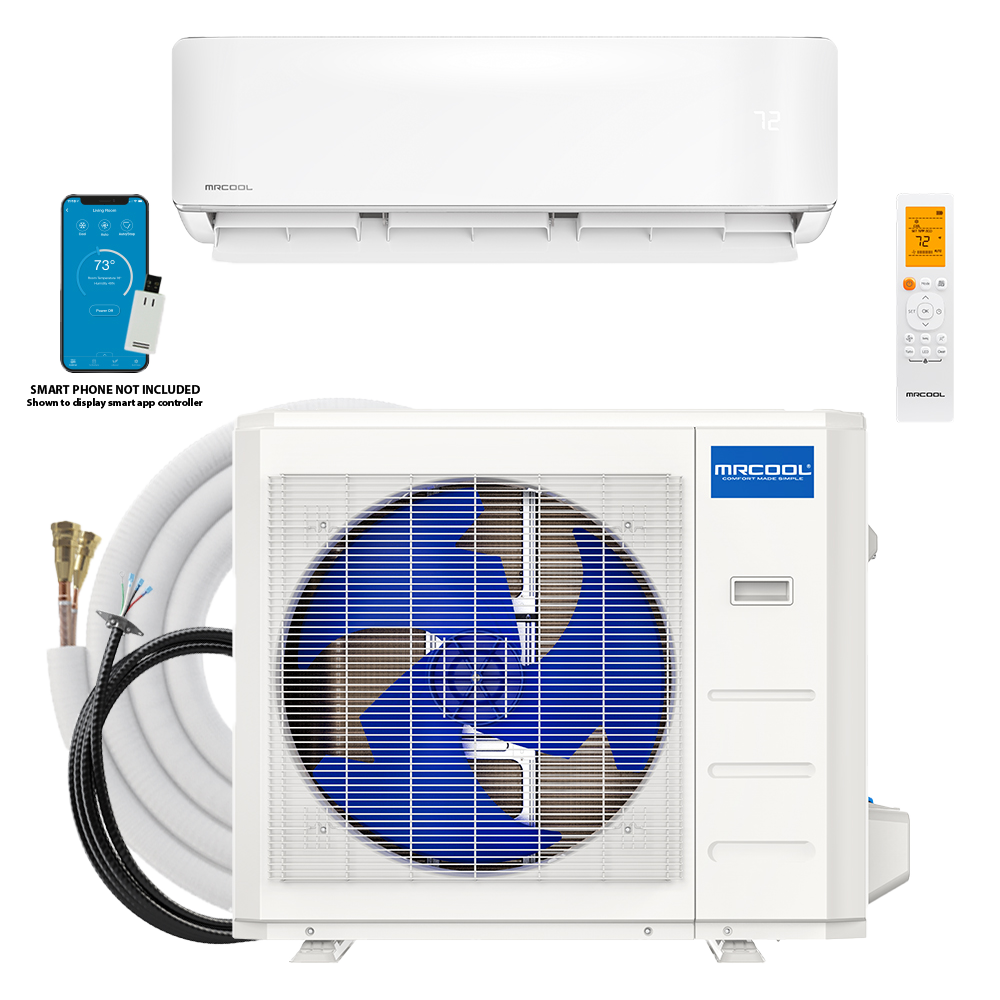
How to Install a MrCool DIY Mini Split in 4 Hours
A step-by-step walkthrough of a complete MrCool DIY 5th Gen mini split installation — from unboxing to cold air — in under four hours with no HVAC license required.
MrCool DIY 5th Gen vs 4th Gen: What Changed
A detailed comparison of MrCool's DIY 5th Generation and 4th Generation mini splits — what improved, what stayed the same, and whether it's worth upgrading.
First-Time Mini Split Install? Everything You Need to Know
Never installed HVAC before? This beginner-friendly guide covers everything from picking the right system to flipping the switch on your first MrCool mini split.