
Arizona Desert Cooling: Systems That Handle 115°F
Phoenix and Tucson regularly hit 110-115°F. Learn which mini split systems handle extreme desert heat and how to maximize performance in Arizona's brutal summers.
Admin User
Author
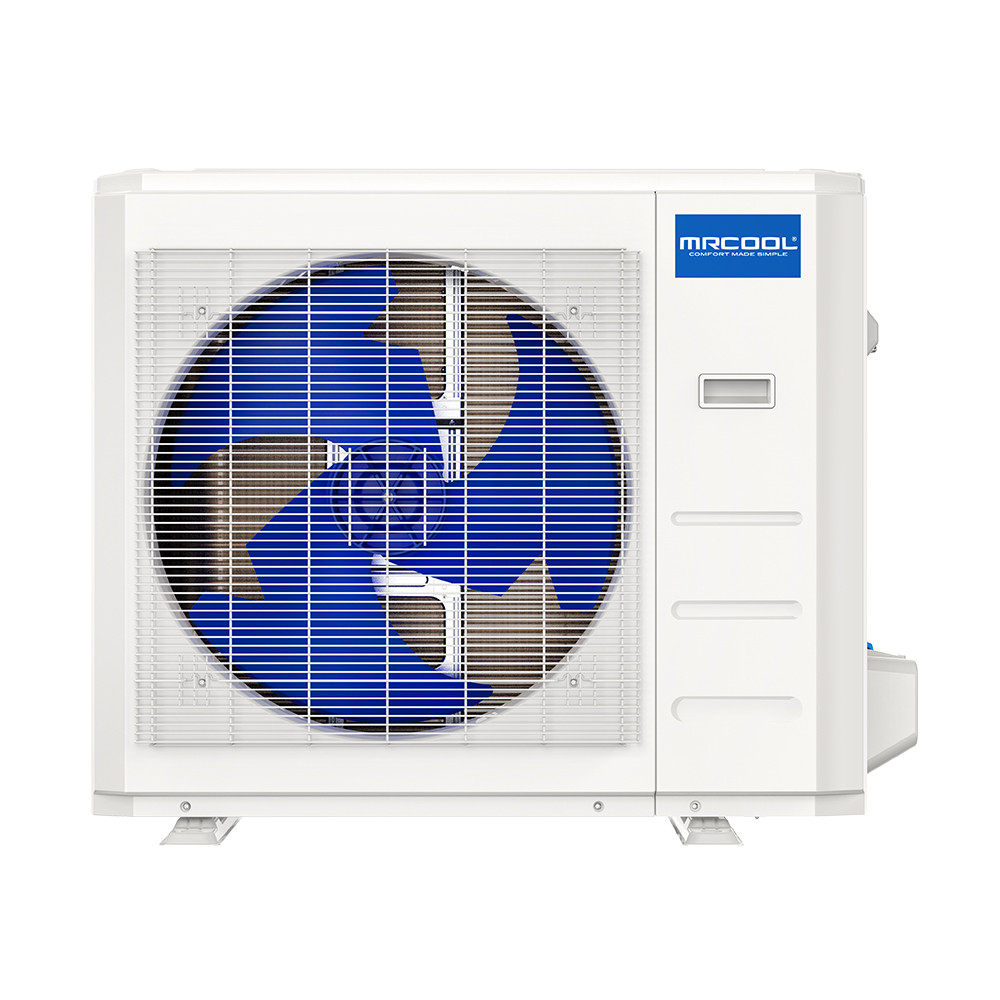
Arizona Desert Cooling: Systems That Handle 115°F
When your local weather forecast reads 115°F and your outdoor unit sits in direct desert sun, you need an HVAC system engineered for extremes. Phoenix and Tucson don't just get hot — they sustain punishing heat for months, with over 100 days per year exceeding 100°F.
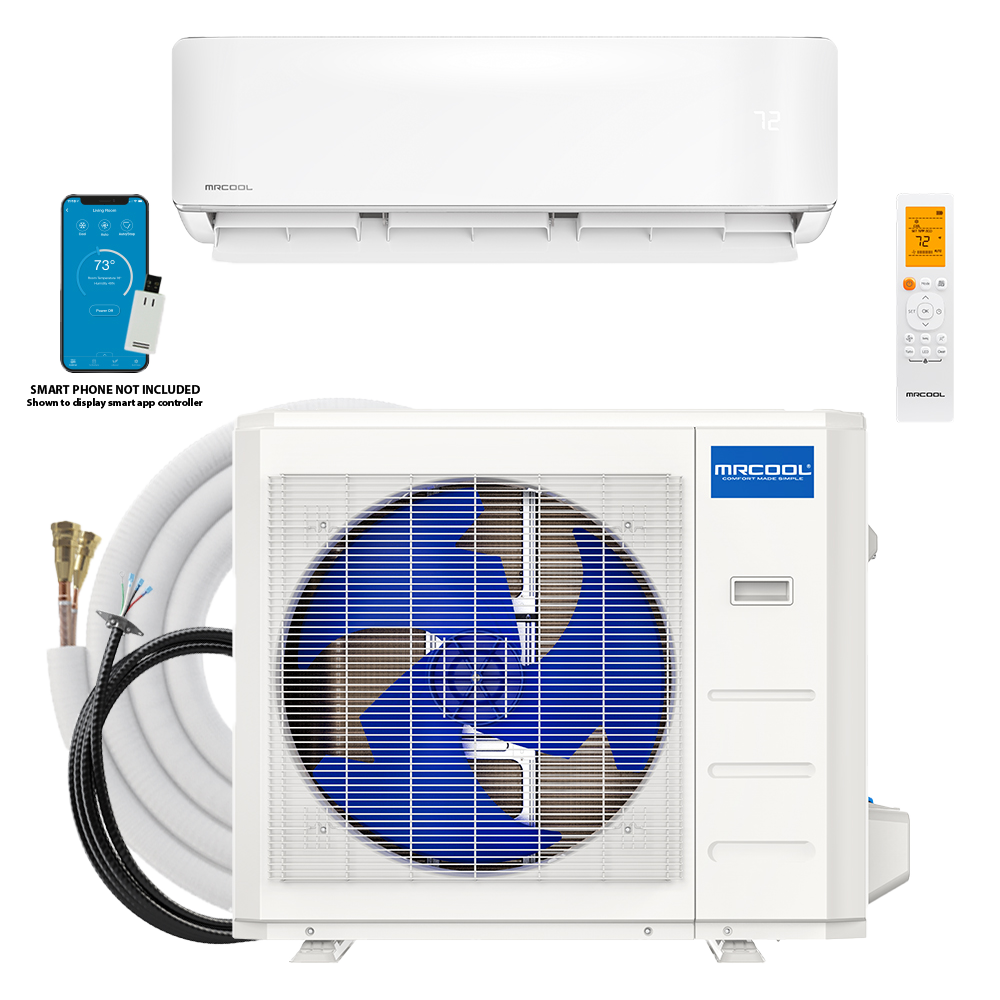
MrCool's 5th Gen DIY mini splits are rated to operate in temperatures up to 122°F (50°C), making them one of the few residential systems engineered for Arizona's reality.
Arizona's Extreme Heat Challenge
The Numbers
| City | Days Above 100°F | Days Above 110°F | Record High | Avg Summer High |
|---|---|---|---|---|
| Phoenix | 145 | 55 | 122°F | 106°F |
| Tucson | 100 | 15 | 117°F | 100°F |
| Yuma | 175 | 45 | 124°F | 107°F |
| Lake Havasu | 165 | 60 | 128°F | 108°F |
| Scottsdale | 140 | 50 | 122°F | 105°F |
What Extreme Heat Does to HVAC Systems
At 115°F, standard HVAC systems face serious challenges:
- Reduced capacity: Most AC systems lose 20-30% of their cooling capacity above 95°F because the outdoor coil can't reject heat as effectively
- Compressor stress: The compressor works harder to achieve the same temperature differential
- Higher energy consumption: Efficiency drops as outdoor temperatures rise
- Shorter lifespan: Components wear faster under sustained extreme heat
- Pressure safety shutdowns: Some systems shut down when high-side pressure exceeds safety limits on the hottest days — exactly when you need cooling most
Why MrCool Handles Arizona Heat
MrCool 5th Gen systems are rated for 122°F operating temperature and feature:
- Inverter compressor: Adjusts speed continuously rather than cycling on/off. This reduces stress and maintains output at high ambient temperatures.
- Enhanced condenser coils: Designed for high-temperature heat rejection
- High-pressure tolerance: Won't shut down during heat extremes
- R-410A refrigerant: Performs well at high ambient temperatures
Sizing for Desert Climates
In Arizona, standard BTU-per-square-foot guidelines aren't enough. You need to account for:
Heat Gain Factors Specific to Arizona
| Factor | Impact |
|---|---|
| Solar heat through windows | +30-50% in sun-exposed rooms |
| West-facing walls | +15-20% additional load |
| Poor insulation | +20-40% |
| Single-pane windows | +15-25% |
| Vaulted ceilings | +10-20% |
| Tile roof (common in AZ) | +5-10% vs. reflective roof |
Desert Sizing Recommendations
| Room Size | Standard Climate | Arizona Recommendation |
|---|---|---|
| 200 sq ft | 9K BTU | 12K BTU |
| 350 sq ft | 12K BTU | 18K BTU |
| 550 sq ft | 18K BTU | 24K BTU |
| 800 sq ft | 24K BTU | 36K BTU |
| 1,200 sq ft | 36K BTU | Multiple units |
Rule of thumb for Arizona: Size up one level from standard recommendations, especially for west-facing rooms and homes with older windows.
Outdoor Unit Survival: Placement Is Everything
In Arizona, where and how you install the outdoor condenser can make a 30% difference in performance and lifespan.
Shade Is King
A shaded condenser operates up to 10% more efficiently than one in direct sun. Options:
- North or east-facing wall: Avoids the brutal afternoon sun
- Shade structure: A simple awning or lattice screen (maintain 24+ inches clearance) provides shade without blocking airflow
- Mature tree canopy: If landscaping allows, position near tree shade (but not close enough for leaf debris)
- Covered patio overhang: Many Arizona homes have covered patios — the overhang provides natural shade
Important: Never enclose the condenser in a tight space trying to shade it. Airflow is more important than shade. If you have to choose, choose airflow.
Elevation Considerations
- Desert ground temperatures can reach 160-180°F on dark surfaces
- Elevate the condenser at least 4-6 inches above ground on a quality pad
- Consider wall-mounting to get the unit away from radiant ground heat
- Light-colored gravel or concrete under the unit reflects less heat than dark surfaces
Dust and Debris Protection
Arizona's dusty conditions require more frequent condenser cleaning:
- Monthly: Rinse condenser coils with a garden hose
- After dust storms (haboobs): Inspect and clean immediately — dust packed into coils reduces performance dramatically
- Monsoon season (July-September): Check for debris after storms
Arizona Energy Costs
Current Rates
- APS (Phoenix metro): $0.10-$0.14/kWh (with demand charges on some plans)
- SRP (East Valley): $0.08-$0.12/kWh (among the lowest in the US)
- TEP (Tucson): $0.11-$0.14/kWh
Arizona's rates are relatively low, but the sheer volume of cooling hours (cooling runs 7-8 months per year) means HVAC is still a major expense.
Demand Charges: Arizona's Hidden Cost
Some Arizona utilities (especially APS) charge demand rates — a surcharge based on your peak electricity usage during any 15-30 minute window in the billing period. A central AC system kicking on at full blast can spike your demand charge by $20-$50/month.
Mini splits with inverter compressors never spike to full power — they ramp up gradually, keeping demand charges low. This can save $15-$40/month on top of regular energy savings.
Monthly Cooling Cost Comparison (Phoenix, July)
| System | SEER2 | Monthly Cost | With Demand Charges |
|---|---|---|---|
| Old central AC | 10 | $450 | $520 |
| New central AC | 16 | $280 | $310 |
| MrCool 5th Gen | 21 | $215 | $225 |
| MrCool + zone control | 21 | $140 | $145 |
Annual savings: $1,200-$3,000 depending on what you're replacing.
Common Arizona Scenarios
Casita or Guest House Cooling
Arizona properties often include casitas — small detached guest houses. A 9K BTU or 12K BTU provides independent cooling without connecting to the main home's HVAC.
Garage Workshop or Home Gym
Arizona garages can reach 140-150°F in summer. A 18K BTU or 24K BTU mini split with good garage insulation makes the space usable year-round. Insulate the garage door first — without it, any cooling system fights a losing battle.
Sunroom or Arizona Room
Enclosed patios with large windows are beautiful but brutal in summer. A 12K BTU or 18K BTU handles the elevated heat load from glass exposure.
Snowbird/Winter Visitor Homes
If you only live in your Arizona home October-April, a mini split's WiFi control lets you:
- Monitor home temperature remotely during summer vacancy
- Set minimal cooling (85°F) to protect the home and contents
- Reduce to occupied-room-only cooling when you arrive
- Save dramatically vs. running central air in an empty house all summer
Arizona Incentives
- Federal 25C tax credit: Up to $2,000
- APS rebates: Check current program for efficiency rebates
- SRP rebates: Rebates available for qualifying heat pump installations
- HVACZAR promo: Code SUMMER100 for $100 off
Survive and Thrive in Desert Heat
Arizona demands the most from any cooling system. MrCool's 5th Gen DIY mini splits are rated for 122°F operation, deliver industry-leading efficiency, and give you the zone control to cool smart in the desert.
Use promo code SUMMER100 for $100 off at HVACZAR.
Share this article
Find rebates in your state
Federal tax credits plus state and utility rebates can cut thousands off a qualifying heat pump.
More on this topic: Buying Guides
Keep Reading
Related Articles
Garage Mini Split Install: Heat and Cool Your Workshop
Turn your garage or workshop into a year-round usable space with a MrCool DIY mini split. Sizing, insulation tips, placement, and a full install walkthrough.
Las Vegas to Phoenix: Desert City Cooling
The Southwest desert corridor from Las Vegas to Phoenix faces months of 100°F+ heat. Learn how to size, install, and optimize mini splits for desert city living.
Alaska: Hyper Heat for Extreme Cold
Alaska's extreme cold tests the limits of any heating system. Learn how modern cold-climate heat pumps perform in Anchorage, Fairbanks, and Juneau — and when you need backup.