
California: Energy-Efficient Cooling
California's diverse climate zones and strict energy codes make mini splits the ideal HVAC solution. From LA heat to SF fog, find the right system for your area.
Admin User
Author
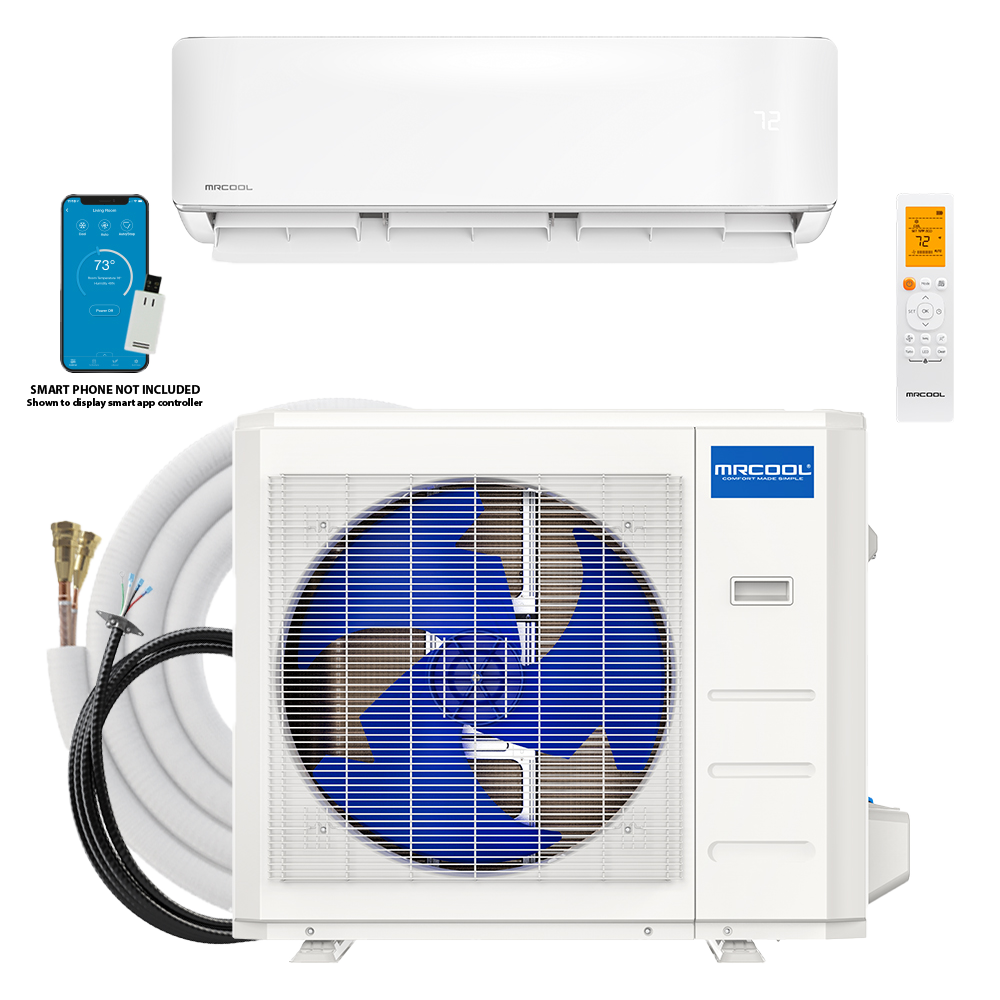
California: Energy-Efficient Cooling
California presents a unique HVAC landscape: the most aggressive energy codes in the nation (Title 24), some of the highest electricity rates, and a climate that varies wildly from the foggy Bay Area to the scorching Central Valley to the desert of the Inland Empire.
Mini splits aren't just a good option for California homes — they're increasingly the only option that meets the state's efficiency requirements while keeping energy costs manageable.
California Climate Zones: A State of Extremes
California has 16 official climate zones used for building energy codes. Here's what matters for HVAC:
Los Angeles and Southern California Coast (Zones 6-8)
Climate: Mediterranean. Warm, dry summers (80-95°F). Mild winters rarely below 45°F. Low humidity most of the year.
HVAC needs: Cooling is the primary need, but it's moderate compared to inland areas. Many coastal homes can get by with minimal cooling, but inland neighborhoods (San Fernando Valley, Riverside, Pasadena) see regular 100°F+ days.
Recommended systems:
- Coastal areas: 9K BTU or 12K BTU for supplemental cooling
- Inland valleys: 18K BTU or 24K BTU for primary cooling
LA-specific note: Many LA homes — especially in the Mid-City, West Side, and coastal areas — were built without central air because the climate was mild enough to go without. As temperatures rise, these homes need cooling but lack ductwork. Mini splits are the perfect retrofit: no ductwork needed, minimal installation impact on older homes.
San Francisco Bay Area (Zones 3-5)
Climate: Famously mild and foggy. Summer highs of 60-75°F in SF proper, 80-100°F in the East Bay and South Bay. Winters are cool and rainy (40-55°F).
HVAC needs: San Francisco itself rarely needs cooling. But Oakland, San Jose, Fremont, and Walnut Creek see genuine summer heat. And the entire Bay Area needs heating — not extreme, but consistent through winter.
Recommended systems:
- SF proper: 9K BTU for heating-focused use
- East Bay/South Bay: 12K BTU or 18K BTU for year-round use
- Focus on heating efficiency (HSPF2) as much as cooling efficiency (SEER2)
Bay Area note: Many Bay Area homes are small, older, and expensive per square foot. Adding ductwork is both physically difficult and disproportionately expensive. Mini splits preserve the home's character while adding modern comfort.
Sacramento and Central Valley (Zones 11-13)
Climate: Hot, dry summers (95-110°F). Moderate winters (30-50°F). This is California's extreme heat zone.
HVAC needs: Heavy cooling is essential. Sacramento, Fresno, Bakersfield, and Stockton homeowners need robust cooling capacity. Heating is needed but moderate.
Recommended systems:
- Primary rooms: 24K BTU or 36K BTU
- Bedrooms: 12K BTU or 18K BTU
- Size generously — Central Valley temperatures are brutal and sustained
Palm Springs, Desert Communities, and Inland Empire (Zones 14-15)
Climate: Desert. Summer highs of 105-120°F. Mild winters (40-65°F). Very low humidity.
HVAC needs: Maximum cooling capacity. This is the extreme end of California's cooling demand.
Recommended: 24K BTU minimum for living areas, 36K BTU for large spaces. May need multiple units for whole-home coverage in extreme desert heat.
San Diego (Zone 7)
Climate: Perhaps the most perfect climate in America. Summer highs 75-85°F. Winters 50-65°F. Low humidity.
HVAC needs: Minimal. Many San Diego homes get by with fans alone for much of the year. But inland neighborhoods (Escondido, El Cajon, Temecula) see genuine heat.
Recommended: 9K BTU for coastal areas, 12K BTU to 18K BTU for inland.
Title 24 and California Energy Codes
What Is Title 24?
California's Title 24 Building Energy Efficiency Standards are the strictest in the nation. They dictate minimum efficiency requirements for HVAC systems in new construction and major renovations.
How Mini Splits Meet Title 24
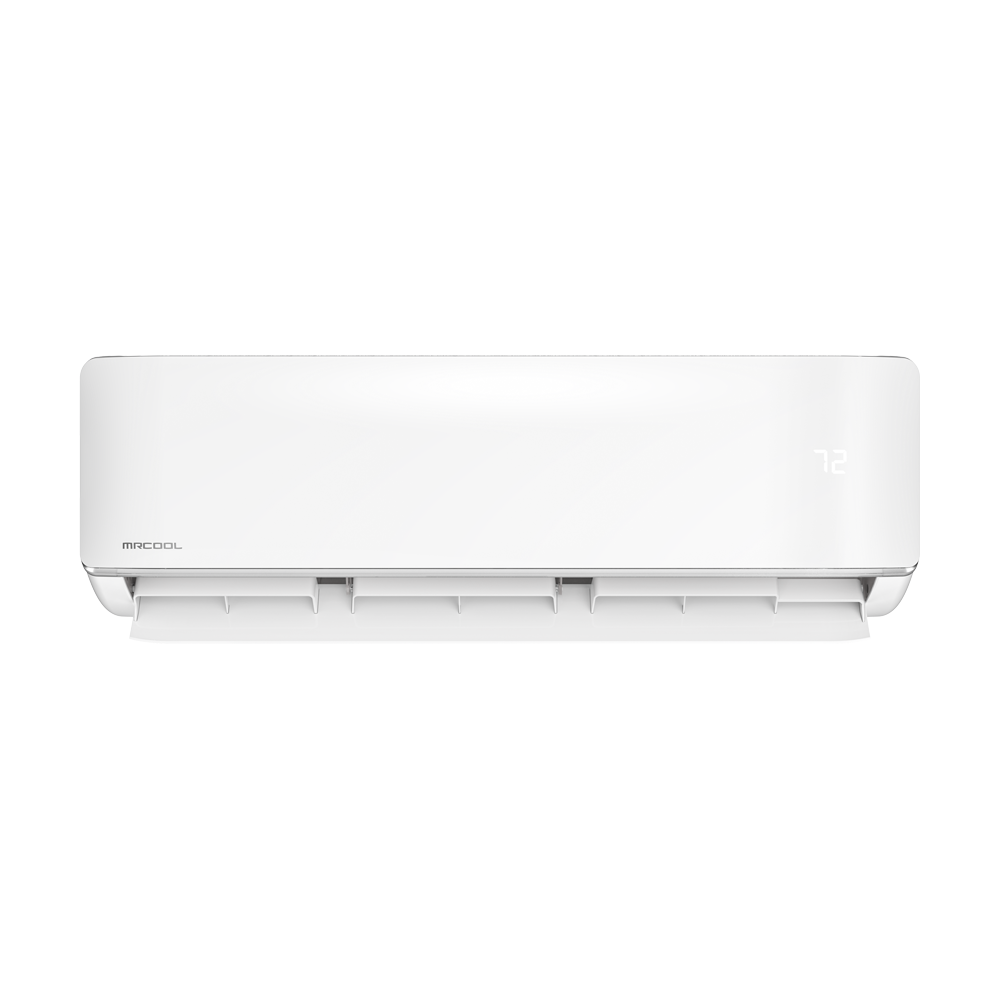
MrCool 5th Gen DIY mini splits exceed Title 24 requirements with:
- SEER2 ratings above 20 (Title 24 minimum for small systems is SEER2 15)
- HSPF2 above 10 (exceeds heating efficiency requirements)
- Heat pump operation (California incentivizes all-electric homes — heat pumps qualify)
- No duct losses (duct efficiency is a major component of Title 24 compliance)
California's Push to All-Electric
California is actively transitioning away from natural gas in residential buildings. Several cities (Berkeley, San Jose, and others) have banned or restricted gas hookups in new construction. Heat pump mini splits align perfectly with this trend — they provide both cooling and heating without gas.
For homeowners replacing a gas furnace, a mini split heat pump meets California's electrification goals while often reducing total energy costs.
California Electricity Rates and Savings
Current Rates (Among the Highest in the Nation)
- PG&E (Northern CA): $0.30-$0.55/kWh (tiered and time-of-use)
- SCE (Southern CA): $0.25-$0.45/kWh
- SDG&E (San Diego): $0.35-$0.60/kWh
- LADWP (City of LA): $0.18-$0.28/kWh (lowest of the major utilities)
- SMUD (Sacramento): $0.12-$0.20/kWh
Why Efficiency Matters More in California
At $0.30-$0.55/kWh, California's rates are 2-4x the national average. This means efficiency improvements save 2-4x more money per kWh saved.
Example: Sacramento home, 1,500 sq ft
| System | SEER2 | Annual kWh | Annual Cost (SMUD $0.16/kWh) |
|---|---|---|---|
| Old central AC | 10 | 5,400 | $864 |
| New central AC | 16 | 3,375 | $540 |
| MrCool 5th Gen | 21 | 2,571 | $411 |
| MrCool + zone control | 21 | 1,543 | $247 |
Annual savings: $293-$617 even at Sacramento's relatively low rates. At PG&E rates ($0.40/kWh average), savings would be $740-$1,540/year.
Time-of-Use Optimization
Most California utilities charge higher rates during peak hours (4-9 PM). Mini splits with WiFi control allow you to:
- Pre-cool your home during off-peak hours (before 4 PM)
- Reduce system output during peak pricing
- Schedule setbacks that align with your rate plan
This can reduce your effective electricity cost by 15-25%.
California Incentives
California offers the most generous HVAC incentives in the nation:
- Federal 25C tax credit: Up to $2,000
- California SGIP: Self-Generation Incentive Program may apply to heat pump systems
- TECH Clean California: Rebates for heat pump water heaters and HVAC systems replacing gas equipment
- BayREN (Bay Area): Regional rebates for efficient HVAC upgrades
- SoCalREN (Southern CA): Similar regional rebates
- Utility-specific programs: PG&E, SCE, SDG&E all offer efficiency rebates. Check your utility's website.
- HVACZAR promo: Code SUMMER100 for $100 off
California-Specific Stacking Example
| Incentive | Amount |
|---|---|
| SUMMER100 promo | $100 |
| Federal tax credit (25C) | $2,000 |
| TECH Clean California | $1,000 |
| Utility rebate | $500 |
| Total incentives | $3,600 |
Many California homeowners get their mini split system for free or nearly free after stacking all available incentives.
Common California Scenarios
Older California Bungalow or Craftsman (No AC)
Thousands of pre-1960 California homes have no cooling at all. Adding ductwork destroys the character and isn't worth the cost. A mini split provides modern comfort with minimal impact: just a wall-mounted indoor unit and a small outdoor condenser.
ADU (Accessory Dwelling Unit)
California's ADU boom means thousands of backyard units, garage conversions, and in-law suites need independent HVAC. A 9K BTU or 12K BTU mini split is the standard HVAC solution for California ADUs.
Home Office in the Inland Empire
Working from home in Riverside or San Bernardino when it's 105°F outside requires dedicated cooling. A mini split for your office means you don't run whole-house AC all day.
Electric Vehicle + Heat Pump = All-Electric Home
Many California homeowners already have EVs. Adding a heat pump mini split and a heat pump water heater completes the transition to an all-electric home — often qualifying for additional incentives and future-proofing against gas rate increases.
California-Ready Cooling
California's combination of high electricity rates, strict energy codes, and diverse climates makes energy efficiency more important here than anywhere else. MrCool 5th Gen DIY mini splits deliver the efficiency California demands at a price that makes sense.
Use promo code SUMMER100 for $100 off at HVACZAR.
Share this article
Find rebates in your state
Federal tax credits plus state and utility rebates can cut thousands off a qualifying heat pump.
More on this topic: Buying Guides
Keep Reading
Related Articles
Las Vegas to Phoenix: Desert City Cooling
The Southwest desert corridor from Las Vegas to Phoenix faces months of 100°F+ heat. Learn how to size, install, and optimize mini splits for desert city living.
Alaska: Hyper Heat for Extreme Cold
Alaska's extreme cold tests the limits of any heating system. Learn how modern cold-climate heat pumps perform in Anchorage, Fairbanks, and Juneau — and when you need backup.
Hawaii: Year-Round Tropical Cooling
Hawaii's tropical climate means year-round cooling and dehumidification needs. Learn which mini splits work best for island homes and how to handle salt air.