
Florida: MrCool for Humid Climates
Florida's relentless humidity demands HVAC systems built for moisture removal. Learn why mini splits excel in Miami, Tampa, Orlando, and Jacksonville.
Admin User
Author
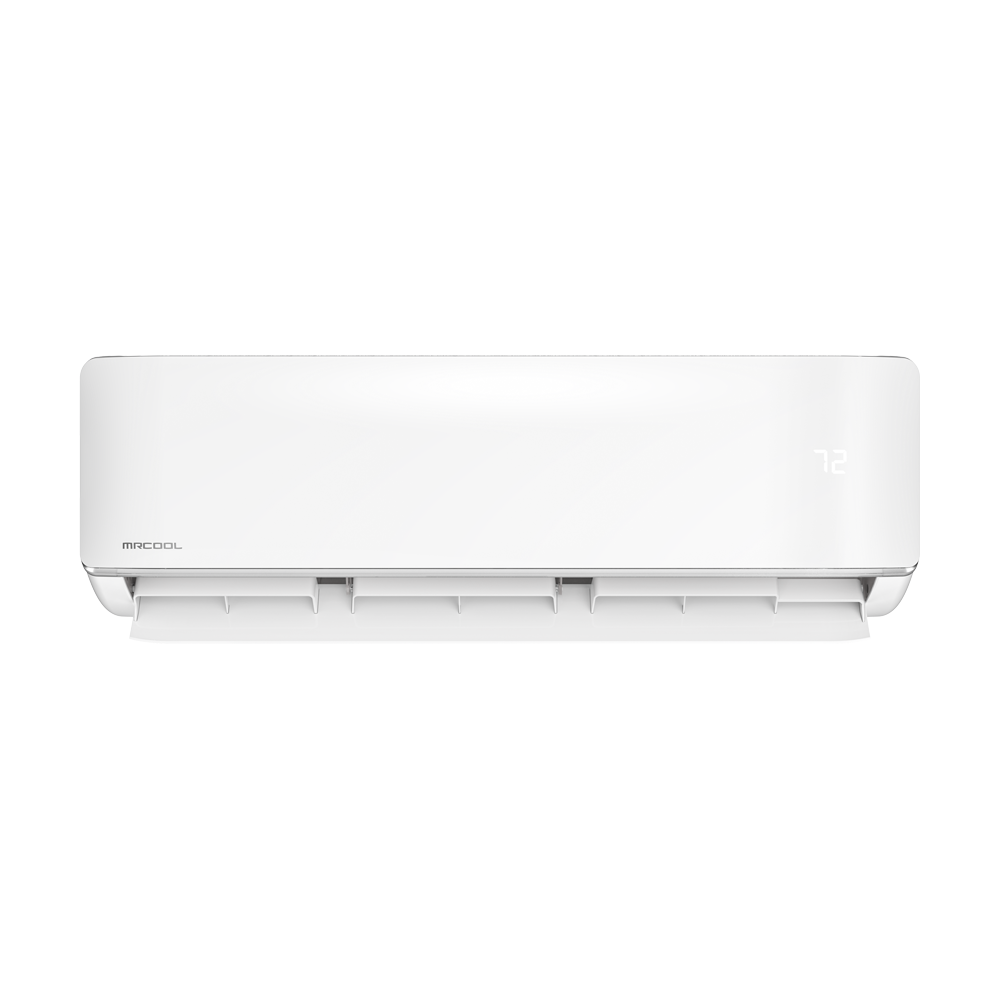
Florida: MrCool for Humid Climates
Florida's HVAC challenge isn't just heat — it's moisture. With average summer humidity levels of 70-90% and temperatures in the 90s for five to six months a year, Florida demands more from air conditioning systems than almost any other state.
This is where mini splits actually outperform traditional central air in ways that matter most to Florida homeowners: superior dehumidification, elimination of moldy ductwork, and remarkable efficiency in hot, humid conditions.
Why Florida's Humidity Is an HVAC Problem
The Comfort Equation
Temperature is only half of comfort. At 75°F and 40% humidity, a room feels comfortable. At 75°F and 80% humidity, the same room feels sticky, clammy, and oppressive.
Florida's problem: outdoor humidity regularly exceeds 80%, and that moisture infiltrates homes through:
- Door openings
- Window seals
- Bathroom and dryer exhaust makeup air
- Foundation slab moisture
- Duct leaks pulling in attic humidity
Why Central Air Struggles in Florida
Florida's central air systems face a unique set of problems:
Ductwork in the attic: The vast majority of Florida homes run ductwork through the attic — where temperatures routinely hit 140-160°F. This creates two problems:
- The ducts absorb massive heat, forcing the AC to work harder
- Temperature differentials cause condensation inside the ducts, promoting mold growth
Duct leaks in humid air: When duct joints leak in a Florida attic, they don't just lose cool air — they pull in super-humid attic air, introducing moisture directly into the home.
Oversized systems: Florida builders often oversize HVAC systems "just to be safe." Oversized systems cool the air quickly but cycle off before removing adequate moisture, leaving homes at the right temperature but an uncomfortable humidity level.
How Mini Splits Solve Florida's Humidity Problem
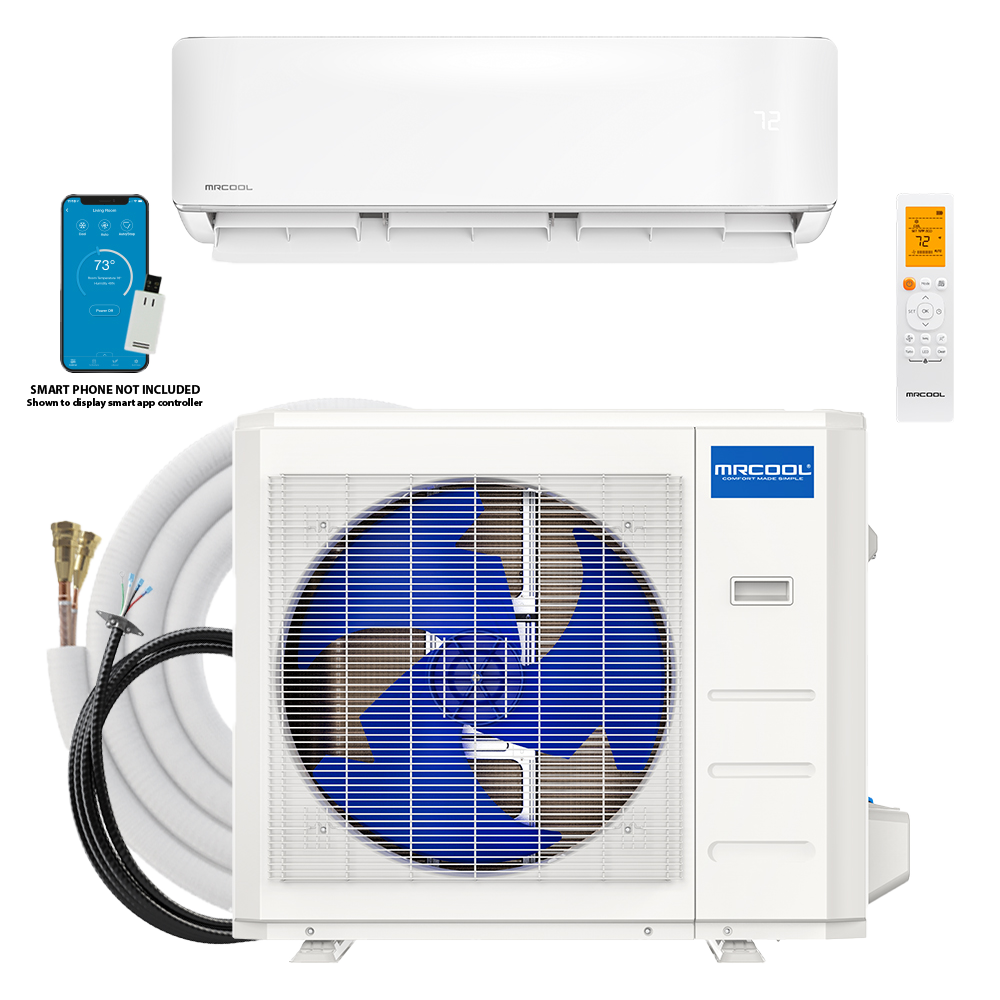
MrCool mini splits address every one of these issues:
- No ductwork = no duct losses, no duct mold. The refrigerant-carrying line set doesn't absorb heat like ductwork does.
- Variable-speed operation: The inverter compressor runs at exactly the right speed, maintaining long run cycles that extract maximum moisture.
- Dedicated dehumidification (Dry Mode): The system can dehumidify without overcooling — critical during Florida's humid but mild shoulder seasons (March-April, October-November).
- Independent zone control: Each room maintains its own humidity and temperature target.
Florida Climate Zones
South Florida (Miami, Fort Lauderdale, West Palm Beach)
Climate: Tropical. Hot and humid year-round. Summer highs 90-95°F with 75-90% humidity. Winters mild (65-80°F) but still humid.
Cooling season: Essentially year-round. Most South Florida homes run AC 10-12 months per year.
Heating needs: Minimal. A heat pump is more than adequate — temperatures rarely drop below 50°F.
Sizing: Standard BTU recommendations. Dehumidification capacity is more important than raw cooling power.
Salt air consideration: Coastal installations within 1 mile of the ocean should use a condenser with a corrosion-resistant coating. Keep the outdoor unit protected from direct salt spray when possible.
Central Florida (Orlando, Tampa, Lakeland)
Climate: Subtropical. Summer highs 92-97°F with high humidity. Afternoon thunderstorms nearly daily from June-September. Mild winters with occasional cold fronts dropping to 30-40°F.
Cooling season: March through November (9 months).
Sizing: Standard to slightly upsize for homes with poor insulation or significant sun exposure.
Tampa Bay note: Homes near the water experience constant salt-laden humidity. The MrCool's coated coils resist corrosion, but regular condenser washing (monthly during summer) extends equipment life.
Orlando note: Theme park adjacent neighborhoods with vacation rental homes benefit enormously from zone control — bedrooms can be set back when vacant.
North Florida (Jacksonville, Tallahassee, Pensacola)
Climate: Humid subtropical with genuine winter. Summer highs 92-98°F. Winters drop to 25-40°F with occasional freezes.
Cooling season: April through October.
Heating season: December through February — legitimate heating needs.
Sizing: Consider heating load for this region. The 18K BTU and 24K BTU systems provide robust heating performance for North Florida's mild but real winters.
Florida-Specific Installation Tips
Hurricane Readiness
Florida is ground zero for hurricanes. Protect your investment:
- Elevate the outdoor unit at least 12-24 inches above grade on a stand or wall bracket (flood protection)
- Use hurricane straps or bolt-down anchors
- Install a surge protector — Florida has more lightning strikes than any other state
- Consider wall-mounting the condenser instead of ground-mounting in flood zones
- Keep trees trimmed within 20 feet of the unit
Moisture and Mold Prevention
Florida's humidity makes mold a constant concern with any HVAC system:
- Run the fan in "auto" mode (not continuous) so the evaporator coil can drain between cycles. Running the fan continuously re-evaporates moisture from the coil back into the room.
- Use "dry mode" during shoulder seasons when humidity is high but temperatures are moderate
- Clean the evaporator coil quarterly to prevent mold growth on the coil surface
- Flush the condensate drain monthly with diluted bleach — Florida's warm, humid climate promotes algae growth in drain lines faster than other regions
- Ensure adequate drainage — the condensate line should drain to an area that flows away from the building foundation
Outdoor Unit Care in Florida
Florida's combination of heat, humidity, salt air, and pollen requires more frequent outdoor unit maintenance:
- Monthly: Rinse condenser coils with a garden hose
- Quarterly: Deep clean coils with a commercial coil cleaner
- Annually: Inspect for corrosion, especially on coastal installations
- After storms: Clear debris and check for damage before restarting
Florida Energy Costs and Savings
Current Florida Electricity Rates
- FPL (South/Central Florida): $0.12-$0.14/kWh
- Duke Energy (Central/North Florida): $0.13-$0.15/kWh
- Tampa Electric: $0.12-$0.14/kWh
- JEA (Jacksonville): $0.11-$0.13/kWh
Monthly Cooling Cost Comparison (Miami, August)
| System | SEER2 | Monthly Cost |
|---|---|---|
| 15-year-old central AC | 10 | $420 |
| New central AC | 15 | $280 |
| MrCool 5th Gen (whole home) | 21 | $200 |
| MrCool 5th Gen (zone control) | 21 | $130 |
Annual savings: $1,200-$2,800 depending on what you're replacing and zone control usage.
Florida Incentives
- Federal 25C tax credit: Up to $2,000
- FPL rebates: Check current program for heat pump rebates
- Duke Energy rebates: Energy-efficient HVAC upgrade rebates available
- Ygrene/PACE financing: Florida is one of the most active PACE financing states, allowing HVAC upgrades to be financed through property tax assessments
Common Florida Scenarios
Scenario 1: Condo Cooling
Florida condos often have aging packaged terminal AC units (PTAC). A ductless mini split is a direct upgrade:
- Better efficiency
- Quieter operation
- Better dehumidification
- 9K BTU or 12K BTU handles most condo units
Scenario 2: Florida Room / Lanai Enclosure
Converting a screened porch to a fully enclosed Florida room is one of the most popular renovations in the state. A 9K BTU or 12K BTU mini split provides complete climate control for the new space without modifying your existing HVAC system.
Scenario 3: Vacation Rental Optimization
Vacation rental owners in Orlando, Miami, and the Gulf Coast can use mini split zone control to:
- Cool only occupied bedrooms
- Set common areas to efficient temperatures between guests
- Monitor and control remotely via WiFi
- Reduce energy costs 30-50% compared to running central air to cool the entire property
Scenario 4: Older Block Construction Homes
Florida has millions of concrete block homes from the 1960s-1990s. Many have aging central air with ductwork running through the attic. A mini split conversion eliminates attic duct losses and can reduce cooling costs by 40-60%.
Beat Florida's Heat and Humidity
Florida's climate demands the best from your cooling system. MrCool 5th Gen DIY mini splits deliver superior dehumidification, extraordinary efficiency, and the zone control that lets you cool smart — not just cold.
Use promo code SUMMER100 for $100 off at HVACZAR.
Share this article
Find rebates in your state
Federal tax credits plus state and utility rebates can cut thousands off a qualifying heat pump.
More on this topic: Buying Guides
Keep Reading
Related Articles
Las Vegas to Phoenix: Desert City Cooling
The Southwest desert corridor from Las Vegas to Phoenix faces months of 100°F+ heat. Learn how to size, install, and optimize mini splits for desert city living.
Alaska: Hyper Heat for Extreme Cold
Alaska's extreme cold tests the limits of any heating system. Learn how modern cold-climate heat pumps perform in Anchorage, Fairbanks, and Juneau — and when you need backup.
Hawaii: Year-Round Tropical Cooling
Hawaii's tropical climate means year-round cooling and dehumidification needs. Learn which mini splits work best for island homes and how to handle salt air.