
Midwest: Chicago, Detroit, Minneapolis
The Midwest demands HVAC that handles -20°F winters and 95°F summers. Learn how cold-climate heat pumps are conquering the most extreme temperature swings in America.
Admin User
Author
Midwest: Chicago, Detroit, Minneapolis
The Midwest is America's ultimate HVAC stress test. Where else do you need a system that handles -20°F polar vortex cold in January and 95°F humidity in July? The temperature swing between winter lows and summer highs can exceed 130°F.
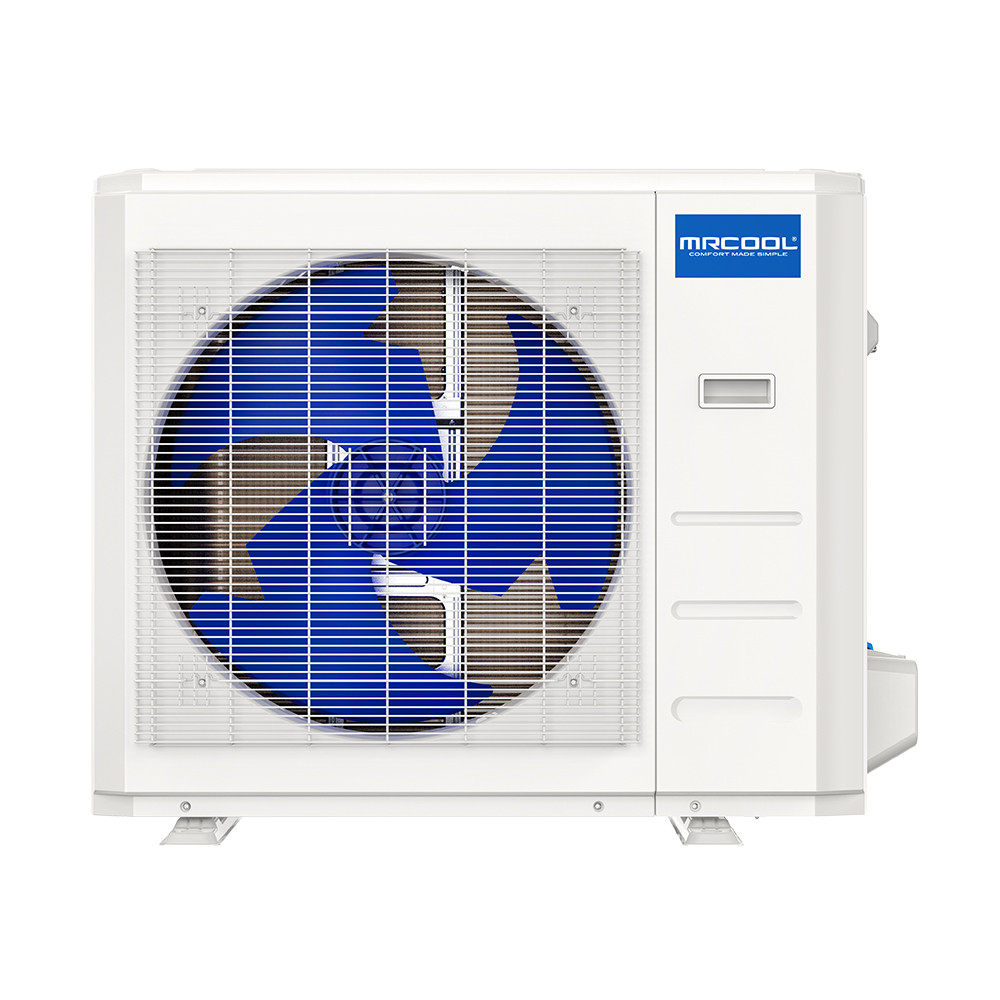
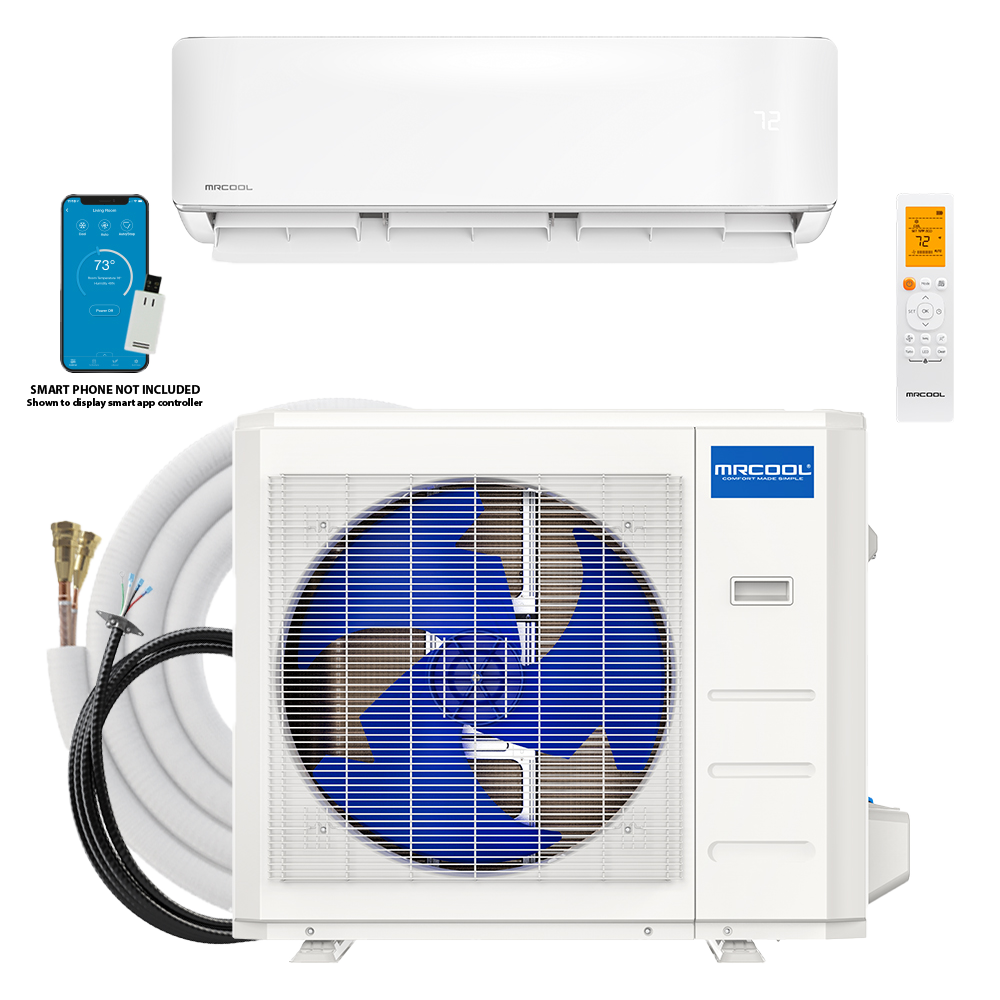
Cold-climate heat pumps have finally caught up with the Midwest's demands. Modern systems like the MrCool 5th Gen operate down to -22°F, providing efficient heating even during the worst cold snaps.
Midwest Climate: The Full Spectrum
| City | Winter Design Temp | Avg Jan Low | Summer Avg High | Heating Degree Days |
|---|---|---|---|---|
| Minneapolis | -12°F | 7°F | 83°F | 7,876 |
| Chicago | -3°F | 18°F | 84°F | 6,536 |
| Detroit | -1°F | 18°F | 83°F | 6,422 |
| Milwaukee | -6°F | 14°F | 82°F | 7,043 |
| Indianapolis | 2°F | 21°F | 86°F | 5,521 |
| St. Louis | 4°F | 24°F | 89°F | 4,900 |
| Kansas City | 2°F | 20°F | 89°F | 5,246 |
The Dual Challenge
Winter: Extended periods below 0°F. Polar vortex events can push temperatures to -20°F to -30°F with wind chills to -50°F. Heating is the dominant energy expense.
Summer: Surprise — the Midwest gets hot AND humid. Dew points in the 70s combine with temperatures in the 90s to create heat indices above 100°F. Adequate cooling and dehumidification matter.
Heat Pump Performance in Midwest Winters
Can Heat Pumps Really Handle -12°F?
Yes. MrCool 5th Gen systems operate down to -22°F. Here's the performance profile for a Midwest winter:
| Temperature | Hours/Year (Minneapolis) | Heat Pump COP | Strategy |
|---|---|---|---|
| 30-50°F | 1,200 | 3.0-4.0 | Heat pump only — peak efficiency |
| 10-30°F | 1,800 | 2.0-3.0 | Heat pump only — very efficient |
| 0-10°F | 600 | 1.5-2.5 | Heat pump primary, monitor closely |
| -10 to 0°F | 300 | 1.2-1.8 | Heat pump + backup kicks in |
| Below -10°F | 150 | 1.0-1.3 | Backup primary, heat pump assists |
Key insight: Even in Minneapolis, temperatures are above 0°F for 88% of winter hours. The heat pump handles the vast majority of heating at excellent efficiency. Supplemental heat is needed for only 12% of winter hours — roughly 450 hours per year.
The Supplemental Heat Strategy
For Midwest installations, keep your existing furnace (gas or otherwise) as backup:
- Set heat pump as primary heating source for temperatures above 5-10°F
- Set furnace to kick in below your balance point
- The heat pump handles 80-90% of heating hours at high efficiency
- The furnace handles 10-20% during extreme cold
This hybrid approach delivers the best of both worlds: heat pump efficiency for most of winter, furnace reliability for the worst cold.
What About the Polar Vortex?
The February 2021 and January 2019 polar vortex events pushed temperatures to -25°F to -30°F across the upper Midwest. At these temperatures:
- The MrCool 5th Gen still operates (rated to -22°F)
- Output is reduced to approximately 40-50% of rated capacity
- The backup furnace carries the primary load
- The heat pump still contributes, reducing furnace run time
Even during extreme events, the heat pump adds value rather than sitting idle.
Sizing for the Midwest
Size based on heating load at your design temperature:
Minneapolis / Upper Midwest (Design Temp -12°F)
| Room | Standard Sizing | Midwest Recommendation |
|---|---|---|
| Bedroom (200 sq ft) | 9K BTU | 12K BTU |
| Living room (400 sq ft) | 12K-18K BTU | 18K BTU or 24K BTU |
| Main floor (800 sq ft) | 24K BTU | 36K BTU |
Chicago / Lower Midwest (Design Temp -3°F)
| Room | Standard Sizing | Midwest Recommendation |
|---|---|---|
| Bedroom (200 sq ft) | 9K BTU | 12K BTU |
| Living room (400 sq ft) | 12K BTU | 18K BTU |
| Main floor (800 sq ft) | 24K BTU | 24K BTU or 36K BTU |
Rule: Size up one level from standard for the upper Midwest. Standard sizing works for the lower Midwest with a gas furnace backup.
Midwest Energy Costs and Savings
Current Heating Costs
| City | Natural Gas (Annual) | Electric Heat (Annual) | Heat Pump + Gas Backup (Annual) |
|---|---|---|---|
| Minneapolis | $1,400 | $2,800 | $900 |
| Chicago | $1,200 | $2,400 | $800 |
| Detroit | $1,300 | $2,600 | $850 |
| Milwaukee | $1,350 | $2,700 | $880 |
Annual savings with heat pump: $300-$1,900 depending on what you're supplementing or replacing.
Midwest Electricity Rates
- Xcel Energy (Minneapolis): $0.12-$0.14/kWh
- ComEd (Chicago): $0.13-$0.16/kWh
- DTE (Detroit): $0.17-$0.20/kWh
- We Energies (Milwaukee): $0.14-$0.17/kWh
Summer Cooling Savings
The Midwest also benefits from mini split cooling efficiency. A 24K BTU system with SEER2 21 saves 30-40% on summer cooling vs. a typical Midwest central air system rated SEER 13-14.
Midwest Installation Considerations
Winter-Proofing the Outdoor Unit
- Elevate 18-24 inches above expected snow depth (varies: 12-24 inches typical ground clearance needed)
- Install a snow shelf or small roof overhang above the unit
- Wall-mount when possible to keep the unit above snowline
- Orient the unit so the fan faces away from the prevailing winter wind (typically northwest in most Midwest locations)
- Do NOT cover the unit in winter if you're using it for heating — it needs airflow
The Defrost Factor
In Midwest winter, the outdoor coil will frost more frequently than in milder climates. MrCool's intelligent defrost system handles this automatically, but expect:
- Defrost cycles every 30-60 minutes during cold, humid conditions
- Steam rising from the outdoor unit during defrost (normal)
- Brief periods of reduced indoor heating during defrost (usually unnoticeable)
Spring and Fall Installation
The Midwest's fall (September-October) is the ideal installation window:
- Comfortable working temperatures
- System is tested and ready before winter
- You'll enjoy fall and winter heating at high efficiency
- Summer cooling is ready for next year
For DIY installation, Zomg the Handyman provides excellent video guides.
Midwest Incentives
- Federal 25C tax credit: Up to $2,000
- Xcel Energy (MN): Rebates for heat pump installations
- ComEd (IL): Energy efficiency rebates
- DTE (MI): Heat pump rebates available
- Focus on Energy (WI): Significant heat pump incentives
- Various state programs across the Midwest
Common Midwest Scenarios
Chicago Two-Flat
Classic Chicago two-flat: each unit needs independent climate control. A mini split per unit provides both heating and cooling without shared ductwork or thermostat conflicts. 18K BTU or 24K BTU per floor.
Detroit Bungalow
Detroit's affordable bungalow stock (800-1,200 sq ft) is perfect for mini split conversion. Many have aging gas furnaces and no AC. A 24K BTU system provides both heating and first-time cooling.
Minnesota Lake Cabin
Seasonal cabins need heating for shoulder season use and cooling for summer weekends. A 12K BTU mini split with WiFi control lets you pre-heat the cabin from your phone before you arrive on Friday night.
Conquer Midwest Extremes
The Midwest's temperature extremes used to mean compromising on HVAC — one system for heating, another for cooling, neither ideal. A MrCool 5th Gen DIY heat pump handles both extremes in one efficient package.
Use promo code SUMMER100 for $100 off at HVACZAR.
Share this article
Find rebates in your state
Federal tax credits plus state and utility rebates can cut thousands off a qualifying heat pump.
More on this topic: Cold Climate & Heat Pumps
Keep Reading
Related Articles
Las Vegas to Phoenix: Desert City Cooling
The Southwest desert corridor from Las Vegas to Phoenix faces months of 100°F+ heat. Learn how to size, install, and optimize mini splits for desert city living.
Alaska: Hyper Heat for Extreme Cold
Alaska's extreme cold tests the limits of any heating system. Learn how modern cold-climate heat pumps perform in Anchorage, Fairbanks, and Juneau — and when you need backup.
Hawaii: Year-Round Tropical Cooling
Hawaii's tropical climate means year-round cooling and dehumidification needs. Learn which mini splits work best for island homes and how to handle salt air.