
Pacific Northwest: Seattle, Portland HVAC
The Pacific Northwest is warming up fast. Learn why Seattle and Portland homeowners are adding mini splits for new cooling needs and efficient year-round heating.
Admin User
Author
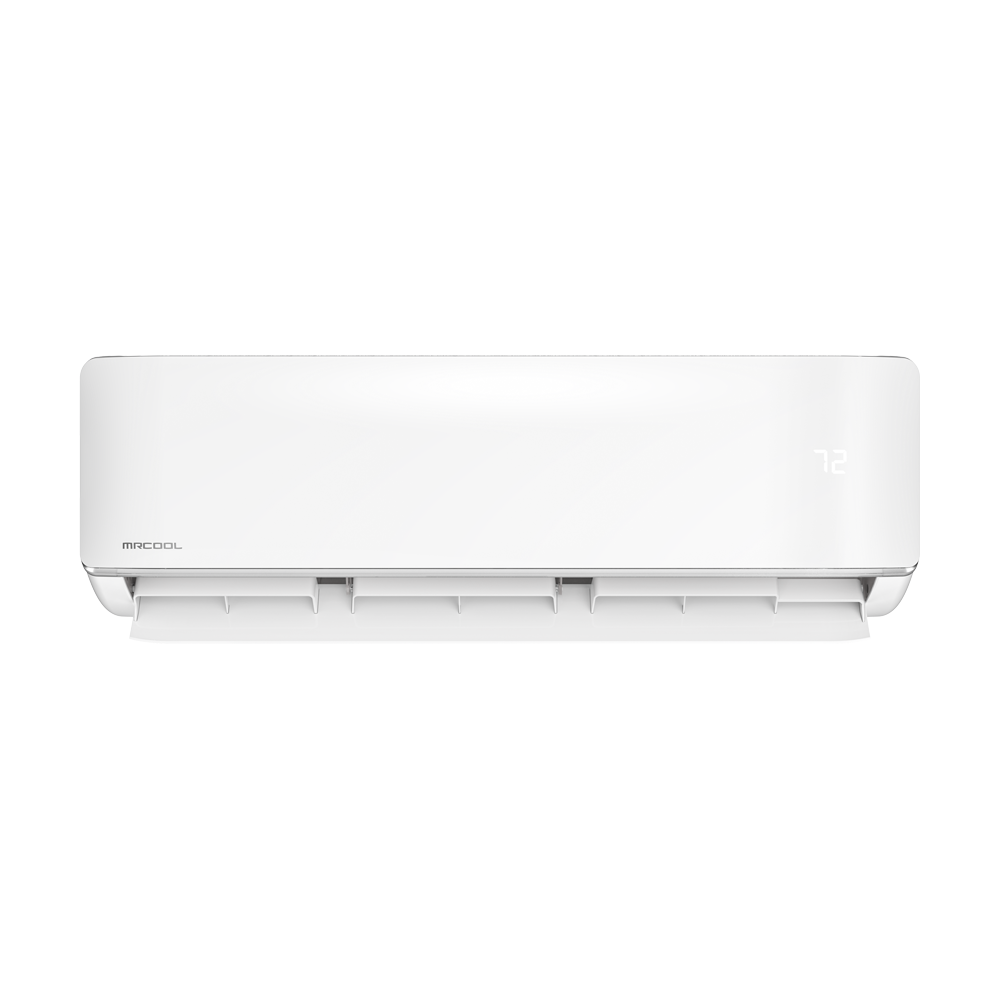
Pacific Northwest: Seattle, Portland HVAC
The Pacific Northwest has entered a new era. A region once famous for never needing air conditioning just experienced its third 100°F+ heat dome in five years. Seattle hit 108°F in 2021. Portland reached 116°F. Hundreds of deaths were attributed to heat that homes simply weren't built to handle.
The message is clear: PNW homes need cooling now. And since heating has always been a need, a heat pump mini split that handles both seasons is the obvious solution.
The New PNW Climate Reality
Historical Comfort vs. Today
The Pacific Northwest's reputation as a naturally air-conditioned paradise is outdated:
| Metric | Historical (1980-2010) | Recent (2020-2025) |
|---|---|---|
| Days above 90°F (Seattle) | 3-5/year | 10-20/year |
| Days above 90°F (Portland) | 10-15/year | 20-35/year |
| Record high (Seattle) | 103°F | 108°F |
| Record high (Portland) | 107°F | 116°F |
| AC penetration (Seattle) | ~30% | ~55% |
| AC penetration (Portland) | ~45% | ~70% |
The trend is unmistakable. Summers are getting hotter, and heat events that were once-in-a-generation are now every-few-years occurrences.
The AC Gap
Despite rising temperatures, a huge percentage of PNW homes still lack any cooling system:
- 45% of Seattle homes have no air conditioning
- 30% of Portland homes lack cooling
- Most PNW homes built before 2000 were designed without cooling in mind
- Many homes lack ductwork entirely (radiant heat, baseboard heat, or wood heat)
These homes are dangerously vulnerable during heat events.
Why Mini Splits Are the PNW's Best Answer
The Ductwork Problem
Many PNW homes — especially in Seattle's established neighborhoods (Capitol Hill, Wallingford, Ballard, Queen Anne) and Portland's inner eastside — were built with:
- Radiant floor heat
- Baseboard electric or hydronic heat
- Wall heaters
- Wood stoves or pellet stoves
None of these include ductwork, making central air installation expensive and invasive. A mini split needs only a 3-inch hole through the wall — perfect for these homes.
Heating-Dominant Climate
The PNW's primary HVAC need is still heating. Seattle averages 4,908 heating degree days vs. only 137 cooling degree days. The ratio is 36:1 in favor of heating.
A heat pump mini split excels here because:
- It provides efficient heating for the 8-9 months that need it
- It provides critical cooling for the 2-3 months of summer
- A single system replaces both your old heater AND provides new cooling capability
Mild Winters = Peak Heat Pump Efficiency
PNW winters are cold but not extreme:
| City | Design Temp | Avg Jan Low | Days Below Freezing |
|---|---|---|---|
| Seattle | 24°F | 36°F | 20-30/year |
| Portland | 21°F | 34°F | 25-35/year |
| Olympia | 18°F | 32°F | 40-50/year |
| Eugene | 19°F | 33°F | 35-45/year |
At these temperatures, heat pumps operate at COP 3.0-3.5 — producing 3-3.5 units of heat per unit of electricity. This is the sweet spot for heat pump efficiency.
Sizing for the Pacific Northwest
Since heating is the dominant need, size for your heating load:
| Home Profile | Recommended System |
|---|---|
| Apartment/condo, 1 BR | 9K BTU |
| Small home, 800-1,000 sq ft | 12K BTU or 18K BTU |
| Medium home, 1,200-1,600 sq ft | 24K BTU main area + 9K bedrooms |
| Larger home, 1,600-2,200 sq ft | 36K BTU main + bedroom units |
PNW sizing note: Because winters are mild, standard BTU sizing works well. You don't need to upsize for cold climate capacity like you would in the Midwest or Mountain states.
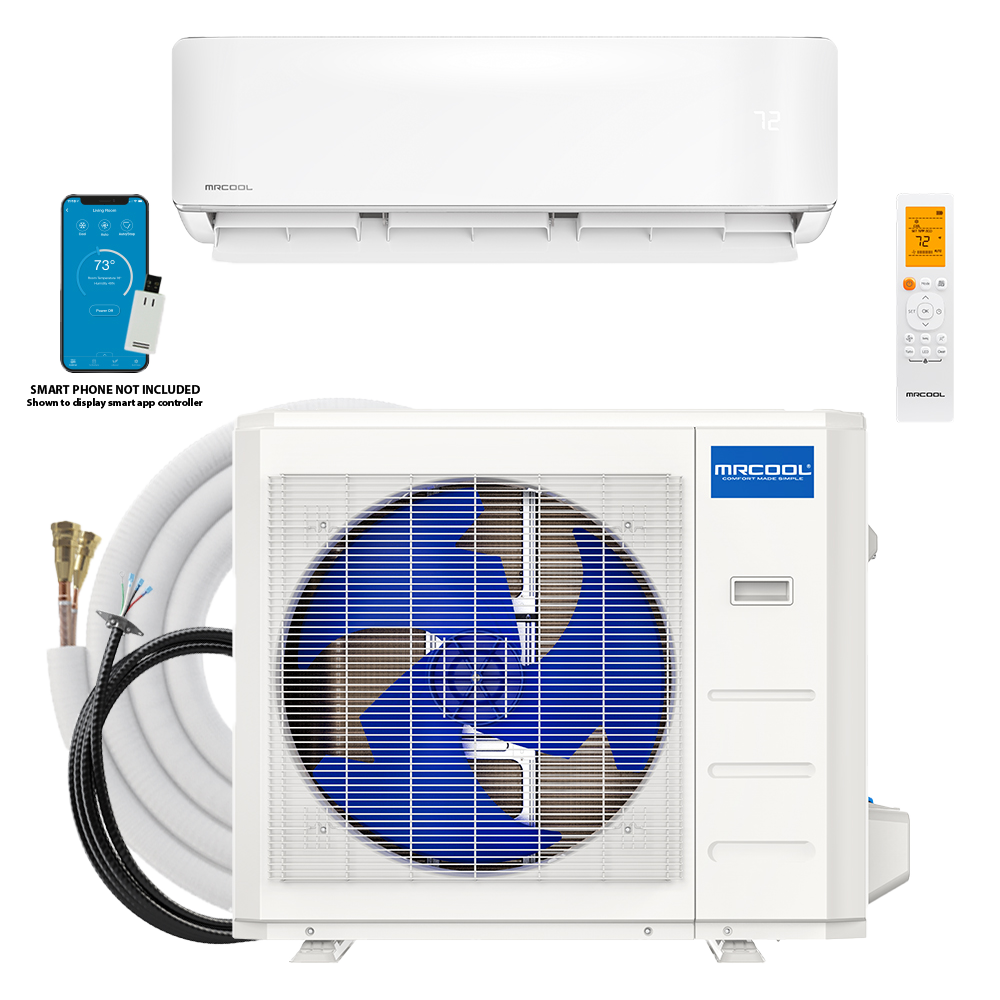
PNW-Specific Installation Considerations
Rain Protection for the Outdoor Unit
The PNW gets 37-44 inches of rain per year. Condensers are designed for rain exposure, but:
- Mount under roof eaves when possible for protection from constant drizzle
- Ensure good drainage around the base — don't let standing water pool
- Keep leaves clear — PNW trees shed heavily in fall, clogging outdoor coils
- Check for moss growth on the unit housing — PNW humidity promotes moss on anything that sits still
Moisture Management Indoors
PNW humidity is moderate (50-70% in summer, 70-85% in winter). The mini split's dehumidification function helps maintain comfortable indoor humidity:
- Use cooling mode during summer for temperature and humidity control
- Use dry mode during the shoulder seasons when it's damp but not hot (classic PNW fall and spring weather)
- In winter, heating naturally reduces indoor humidity — which is usually welcome in the PNW
Outdoor Temperatures for DIY Installation
The PNW's mild climate makes DIY installation comfortable almost year-round. Ideal installation months: April-October when rain is less frequent and temperatures are comfortable for outdoor work.
Energy Costs and Savings
PNW Electricity Rates
- Seattle City Light: $0.10-$0.12/kWh (among the lowest in any major city)
- Puget Sound Energy: $0.11-$0.13/kWh
- Portland General Electric: $0.12-$0.14/kWh
- Pacific Power: $0.11-$0.13/kWh
PNW electricity is relatively cheap due to hydroelectric power — making heat pump operation very affordable.
Annual Heating Cost Comparison (Seattle, 1,500 sq ft)
| Heating System | Annual Cost |
|---|---|
| Electric baseboard | $1,400 |
| Gas furnace (80% AFUE) | $900 |
| Oil furnace | $1,800 |
| MrCool heat pump | $550 |
Savings: $350-$1,250/year depending on what you're replacing. Plus you gain cooling capability you didn't have before.
PNW Incentives
- Federal 25C tax credit: Up to $2,000
- PSE (Washington) rebates: $1,000-$4,000 for heat pump installations
- Seattle City Light: Additional rebates for qualifying installations
- Energy Trust of Oregon: $1,500-$3,000 for ductless heat pump installations
- Oregon Department of Energy: Additional state incentives
Oregon combined incentives can exceed $5,000 — often covering 50-100% of system cost.
Common PNW Scenarios
1940s-1960s Bungalow with Baseboard Heat
Classic Seattle/Portland home: 900-1,200 sq ft, no ductwork, electric baseboard heat. The #1 candidate for a mini split conversion. Replace expensive baseboard heat with an efficient heat pump AND add cooling for summer heat events. 12K BTU or 18K BTU handles most bungalows.
Daylight Basement / Mother-in-Law Suite
PNW homes frequently have daylight basements used as rental units or in-law suites. A 9K BTU mini split provides independent climate control for the lower unit without affecting the upstairs.
Home Office for Tech Workers
Seattle and Portland have massive remote-work populations. A dedicated office mini split keeps the workspace comfortable without running whole-home heating/cooling. The 9K BTU at 22 dB is quieter than the rain on your window — perfect for Zoom calls.
Emergency Heat Wave Preparedness
If you're in the 45% of Seattle homes without AC, a mini split isn't just about comfort — it's about safety. Heat events killed hundreds in the PNW during the 2021 heat dome. A cooling-capable system is now a health necessity, not a luxury.
The Time to Act Is Now
The next PNW heat wave isn't a question of if — it's when. Install a MrCool 5th Gen DIY mini split and have year-round comfort for both the heating seasons you expect and the cooling seasons you'll need.
Use promo code SUMMER100 for $100 off at HVACZAR.
Share this article
Find rebates in your state
Federal tax credits plus state and utility rebates can cut thousands off a qualifying heat pump.
More on this topic: Cold Climate & Heat Pumps
Keep Reading
Related Articles
Las Vegas to Phoenix: Desert City Cooling
The Southwest desert corridor from Las Vegas to Phoenix faces months of 100°F+ heat. Learn how to size, install, and optimize mini splits for desert city living.
Alaska: Hyper Heat for Extreme Cold
Alaska's extreme cold tests the limits of any heating system. Learn how modern cold-climate heat pumps perform in Anchorage, Fairbanks, and Juneau — and when you need backup.
Hawaii: Year-Round Tropical Cooling
Hawaii's tropical climate means year-round cooling and dehumidification needs. Learn which mini splits work best for island homes and how to handle salt air.