
Southern Comfort: Georgia, Carolina, Tennessee
The South's hot, humid summers and mild winters make mini splits ideal. Atlanta, Charlotte, Nashville, and Raleigh homeowners save big with zone-controlled cooling.
Admin User
Author
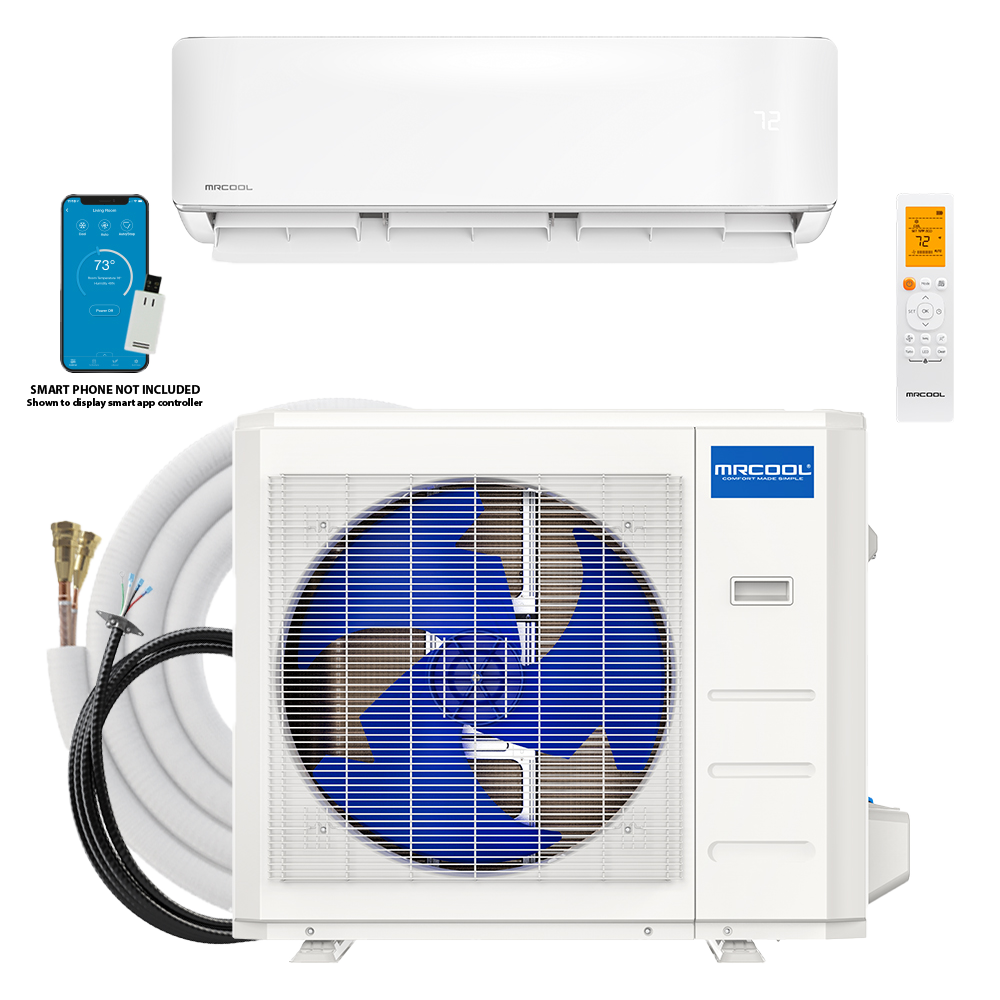
Southern Comfort: Georgia, Carolina, Tennessee
The American South demands more from HVAC systems than almost any other region. Long, hot summers with oppressive humidity, mild but real winters, and a growing season for mold that never really ends. Atlanta, Charlotte, Nashville, and Raleigh homeowners run their HVAC systems 10-11 months per year.
Mini splits thrive in this environment, delivering superior dehumidification, zone control that Southern homes desperately need, and efficiency that puts oversized central air systems to shame.
Southern Climate Profile
| City | Avg Summer High | Summer Humidity | Avg Winter Low | Cooling Months |
|---|---|---|---|---|
| Atlanta, GA | 89°F | 65-75% | 34°F | April-October |
| Charlotte, NC | 89°F | 65-75% | 30°F | May-September |
| Nashville, TN | 90°F | 65-75% | 28°F | May-September |
| Raleigh, NC | 89°F | 65-75% | 30°F | May-September |
| Charleston, SC | 91°F | 70-80% | 37°F | April-October |
| Savannah, GA | 92°F | 70-80% | 38°F | April-October |
| Knoxville, TN | 88°F | 60-70% | 28°F | May-September |
The Southern HVAC Challenge
Humidity is the enemy. Southern humidity creates several problems:
- Comfort: 78°F at 75% humidity feels worse than 85°F at 40% humidity
- Mold: Warm, humid conditions promote mold growth in ductwork, walls, and HVAC components
- Energy waste: Oversized central air systems short-cycle, cooling the air without removing enough moisture
- Extended cooling season: The South needs cooling 6-7 months per year
Why Mini Splits Excel in the South
Superior Dehumidification
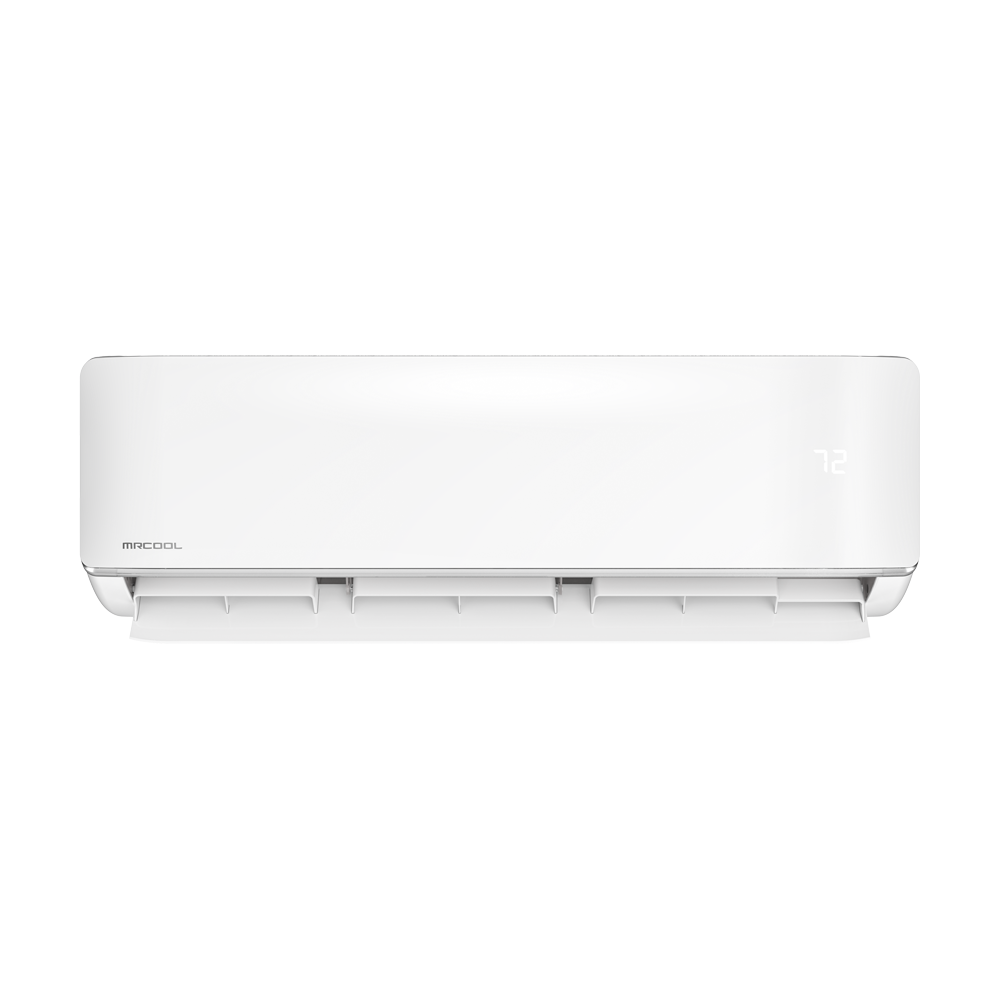
MrCool mini splits use inverter-driven variable-speed compressors that run at lower speeds for longer periods. This longer run time allows the evaporator coil to extract more moisture per cooling cycle than a standard central air system that blasts cold air and shuts off quickly.
The result: lower humidity at the same temperature setting. Most Southern homeowners can set their mini split to 75-76°F and feel more comfortable than they did at 72°F with central air because the humidity is better controlled.
No Duct Mold
One of the South's dirtiest HVAC secrets: ductwork running through attics in hot, humid climates is a mold factory. The temperature differential between cold air inside the ducts and hot, humid air in the attic causes condensation, creating the perfect environment for mold growth.
Mini splits eliminate this entirely. No ducts = no duct mold. The refrigerant line set connecting indoor and outdoor units doesn't create condensation problems.
Zone Control for Southern Living
Southern homes often have specific comfort challenges:
- Upstairs bedrooms: 5-10°F warmer than the first floor
- Sunrooms: Beautiful but brutally hot in summer
- Bonus rooms over garages: The worst heat traps in any home
- Master suites far from the thermostat: Always the wrong temperature
Zone-controlled mini splits let each room maintain its own temperature — no more sacrificing one room's comfort for another.
Sizing for the South
Southern sizing is straightforward — cooling is the dominant load, and winters are mild enough that standard sizing handles heating too:
| Room/Area | Recommended System |
|---|---|
| Bedrooms (150-350 sq ft) | 9K BTU or 12K BTU |
| Living rooms (350-600 sq ft) | 18K BTU |
| Open floor plans (600-1,000 sq ft) | 24K BTU |
| Great rooms (1,000+ sq ft) | 36K BTU |
Southern sizing tip: Don't oversize. An oversized system cools too quickly and short-cycles, failing to dehumidify properly. In the humid South, proper sizing is more important than in dry climates.
City-Specific Recommendations
Atlanta, Georgia
Climate notes: Hot, humid summers. Genuine winter with freezing nights (December-February). Rapid growth means many new subdivisions and older in-town neighborhoods coexist.
Common scenario: Atlanta's older neighborhoods (Virginia-Highland, Grant Park, Decatur, East Atlanta) have many 1940s-1960s homes with aging central air or no AC. Mini splits provide efficient retrofits.
Best applications:
- Bungalow without AC: 18K BTU main room + 9K BTU bedroom
- Bonus room over garage: 12K BTU — these rooms are notoriously hot in Atlanta summers
- Basement finishing: 12K BTU or 18K BTU
Charlotte, North Carolina
Climate notes: Similar to Atlanta with slightly colder winters. Rapidly growing city with both new construction and older homes.
NC-specific advantage: Charlotte's winters are cold enough that a heat pump's heating capability provides genuine value, but mild enough that the heat pump handles 95%+ of heating hours without backup.
Nashville, Tennessee
Climate notes: Hot, humid summers and cold-ish winters (teens to 20s). Nashville has experienced rapid growth, with many historic homes being renovated.
Common scenario: Nashville's East Side and 12 South neighborhoods are full of renovated bungalows and cottages. Mini splits add modern comfort without disrupting renovations that cost six figures.
Raleigh-Durham, North Carolina
Climate notes: Research Triangle area — hot summers, mild winters. High concentration of tech workers and home offices.
Best application: Home office mini splits for the massive remote-work population. A 9K BTU in the office means year-round comfort without running whole-house HVAC.
Charleston and Savannah (Coastal South)
Climate notes: Among the most humid cities in America. Cooling season runs April-October. Salt air for coastal installations.
Special considerations:
- Maximum dehumidification capability is critical
- Monthly condenser cleaning in salt-air environments
- Elevated installation for flood-prone areas
- Use the MrCool dry mode during shoulder seasons
Southern Energy Costs and Savings
Electricity Rates
| Utility | Rate |
|---|---|
| Georgia Power (Atlanta) | $0.12-$0.14/kWh |
| Duke Energy (Charlotte) | $0.11-$0.13/kWh |
| Nashville Electric | $0.10-$0.12/kWh |
| Duke Energy (Raleigh) | $0.11-$0.13/kWh |
| SCE&G (Charleston) | $0.13-$0.15/kWh |
Annual Cooling Cost Comparison (Atlanta, 1,500 sq ft)
| System | Annual Cooling Cost | Annual Total HVAC |
|---|---|---|
| 15-year-old central AC + gas furnace | $1,100 | $1,800 |
| New central AC + gas furnace | $750 | $1,300 |
| MrCool mini splits (zoned) | $450 | $850 |
Annual savings: $450-$950. The savings are consistent year after year, and the mini split serves as both your cooling AND heating system.
Southern Incentives
- Federal 25C tax credit: Up to $2,000
- Georgia Power rebates: Check current programs
- Duke Energy (NC/SC) rebates: Heat pump incentives available
- TVA (Tennessee) programs: EnergyRight Solutions rebates
- HVACZAR promo: Code SUMMER100 for $100 off
Southern Installation Tips
Humidity Management
- Set the fan to auto mode (not continuous) in the humid South — auto mode lets the coil drain between cycles, removing more moisture
- Use dry mode during spring and fall shoulder seasons
- Clean the condensate drain monthly — Southern warmth promotes rapid algae growth
- Keep the indoor unit's coils clean for optimal dehumidification
Outdoor Unit Care
- Monthly coil cleaning during peak pollen season (March-May in the South)
- Clear landscape debris — Southern vegetation grows fast and can encroach on the condenser
- Check for insect activity — wasps, mud daubers, and fire ants are common in Southern HVAC equipment
Southern Comfort, Efficient Style
The South's combination of heat, humidity, and extended cooling seasons makes energy efficiency essential. MrCool 5th Gen DIY mini splits deliver superior comfort with 30-50% lower energy costs — and the zone control that Southern homes need.
Use promo code SUMMER100 for $100 off at HVACZAR.
Share this article
Find rebates in your state
Federal tax credits plus state and utility rebates can cut thousands off a qualifying heat pump.
More on this topic: Buying Guides
Keep Reading
Related Articles
Las Vegas to Phoenix: Desert City Cooling
The Southwest desert corridor from Las Vegas to Phoenix faces months of 100°F+ heat. Learn how to size, install, and optimize mini splits for desert city living.
Alaska: Hyper Heat for Extreme Cold
Alaska's extreme cold tests the limits of any heating system. Learn how modern cold-climate heat pumps perform in Anchorage, Fairbanks, and Juneau — and when you need backup.
Hawaii: Year-Round Tropical Cooling
Hawaii's tropical climate means year-round cooling and dehumidification needs. Learn which mini splits work best for island homes and how to handle salt air.